
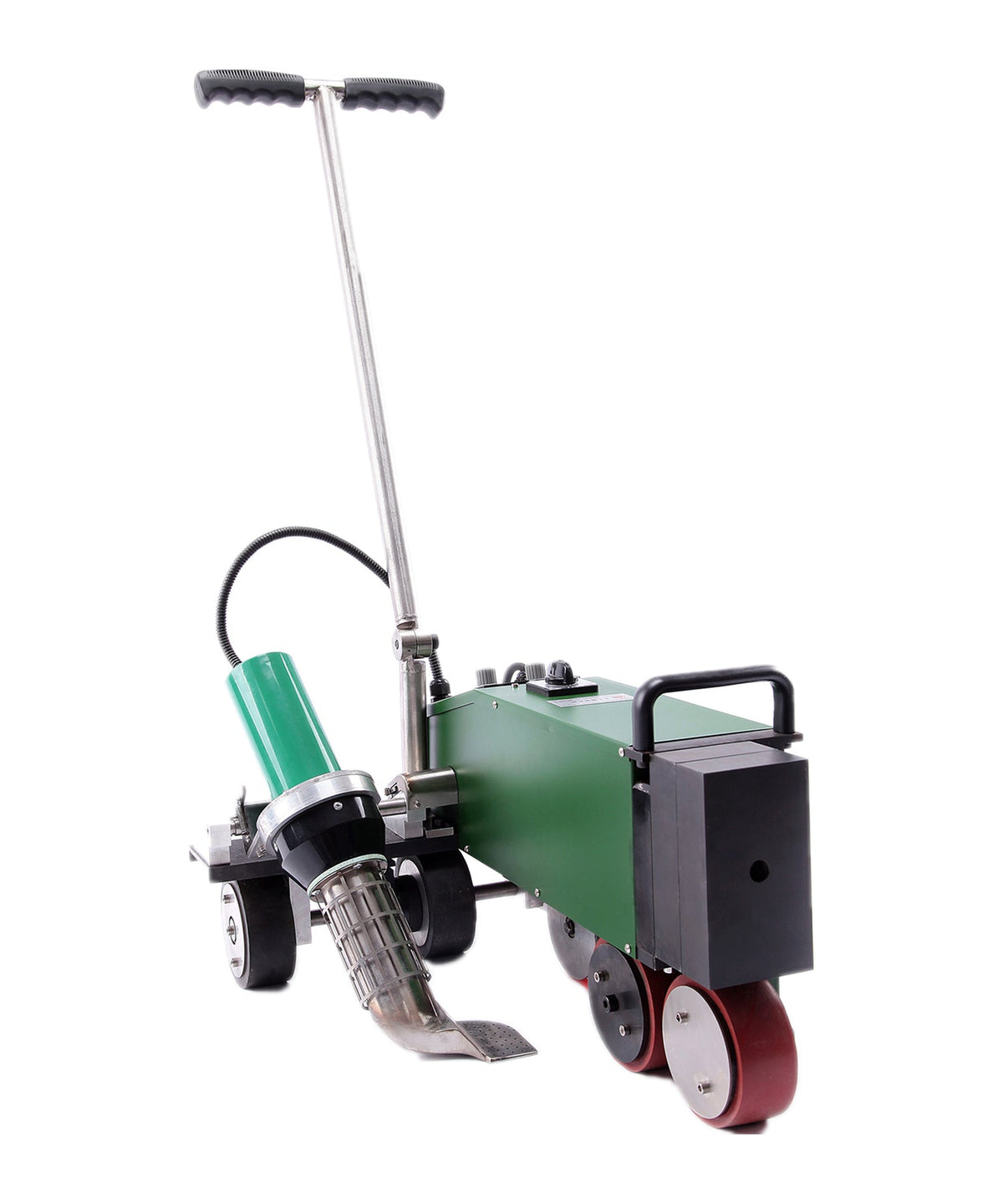
Roofing welding tools are bought as a working set rather than as one machine. A PVC or TPO membrane roof is mostly long, straight field seams, plus a large amount of detail work at edges, corners, drains and penetrations. No single tool covers both well, so a roofing crew kit is built around roles.
Quick answer: A PVC/TPO roofing kit normally combines three roles: an automatic roofing welder for long field seams, a hot-air hand tool for details and repairs, and the compatible nozzles and hand pressure rollers used for the detail work. The tools are chosen to work together and to suit the membrane, not to substitute for one another. Before ordering, confirm the membrane manufacturer's welding procedure, the site supply and the correct voltage version.
What a PVC/TPO Roofing Project Asks of the Tool Kit
The welding on a membrane roof divides into two clearly different conditions:
- Field seams — long, straight overlaps across the open roof, run one after another at a consistent speed and pressure.
- Details — edges, corners, T-joints, drain and penetration details, terminations and later repairs, where access is limited and the geometry changes every few metres.
That split shapes the kit. An automatic machine repeats a straight seam at consistent heat and pressure; a hand tool reaches the places a machine cannot practically go. Buying only one leaves part of the roof without a suitable tool, so the list below is organised by role — the split our automatic welder vs hot air gun guide examines in detail.
The Three Roles in a Roofing Crew Kit
| Role in the kit | Typical work | Tool type |
|---|---|---|
| Field seams | Long, straight overlaps across the roof field | Automatic roofing welder |
| Details and repairs | Edges, corners, T-joints, drain and penetration details, patches | Hot-air hand tool with a wide slot nozzle |
| Hand-welded detail consolidation | Pressing the heated detail seam while it is still soft | Silicone hand pressure roller |
A kit is defined by the work each tool does, not by the number of tools in it.
Role 1: The Automatic Welder for Field Seams
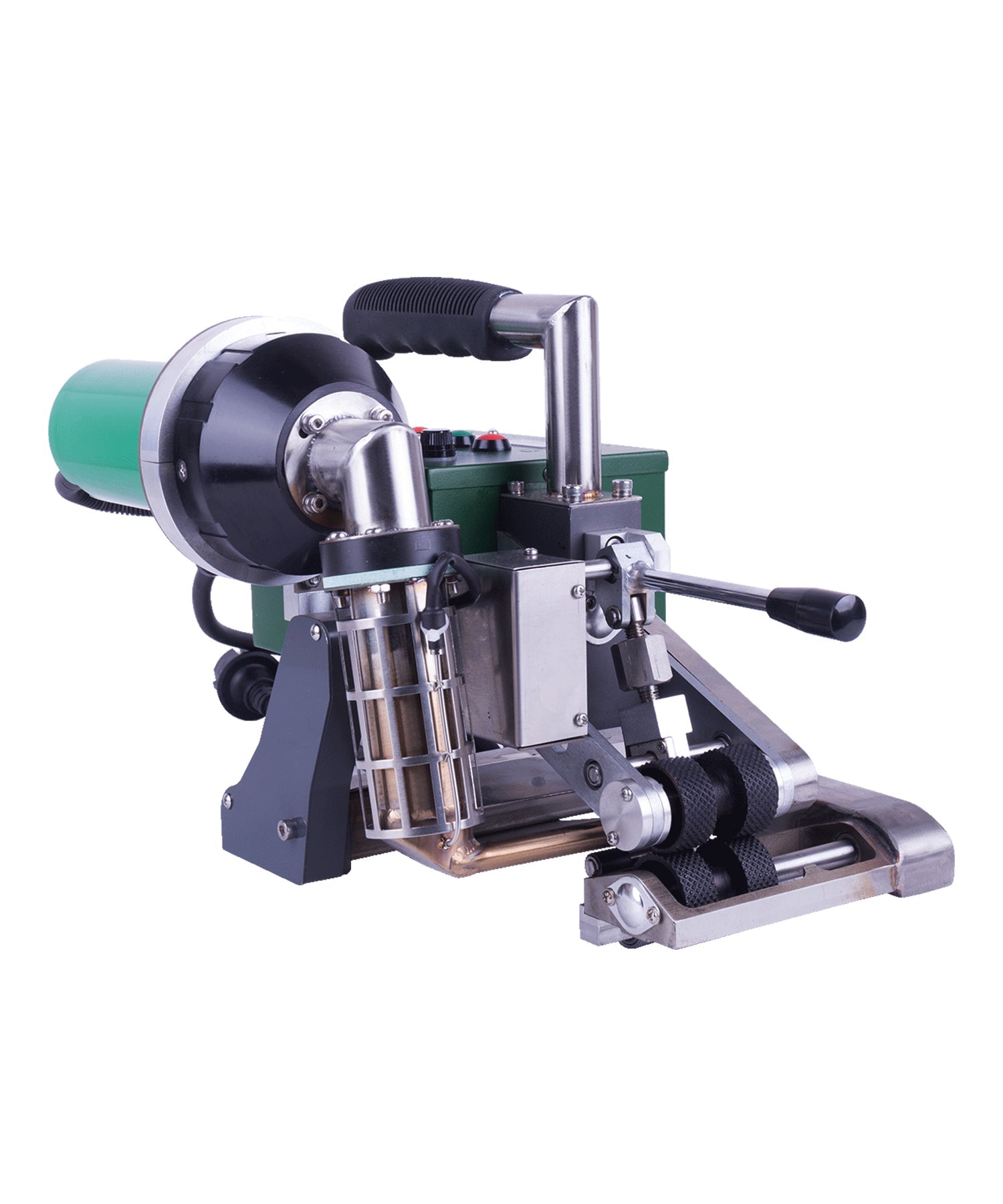
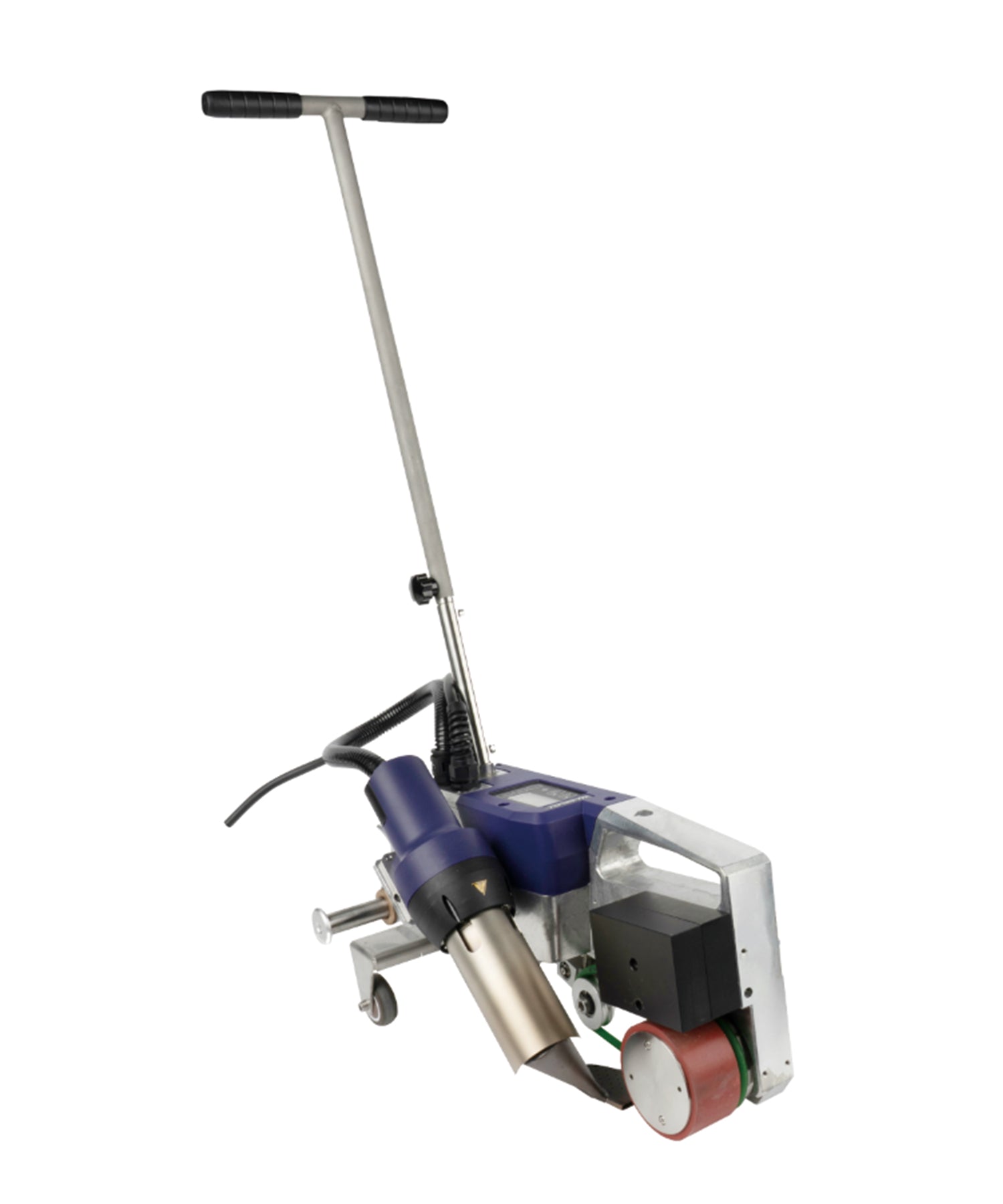
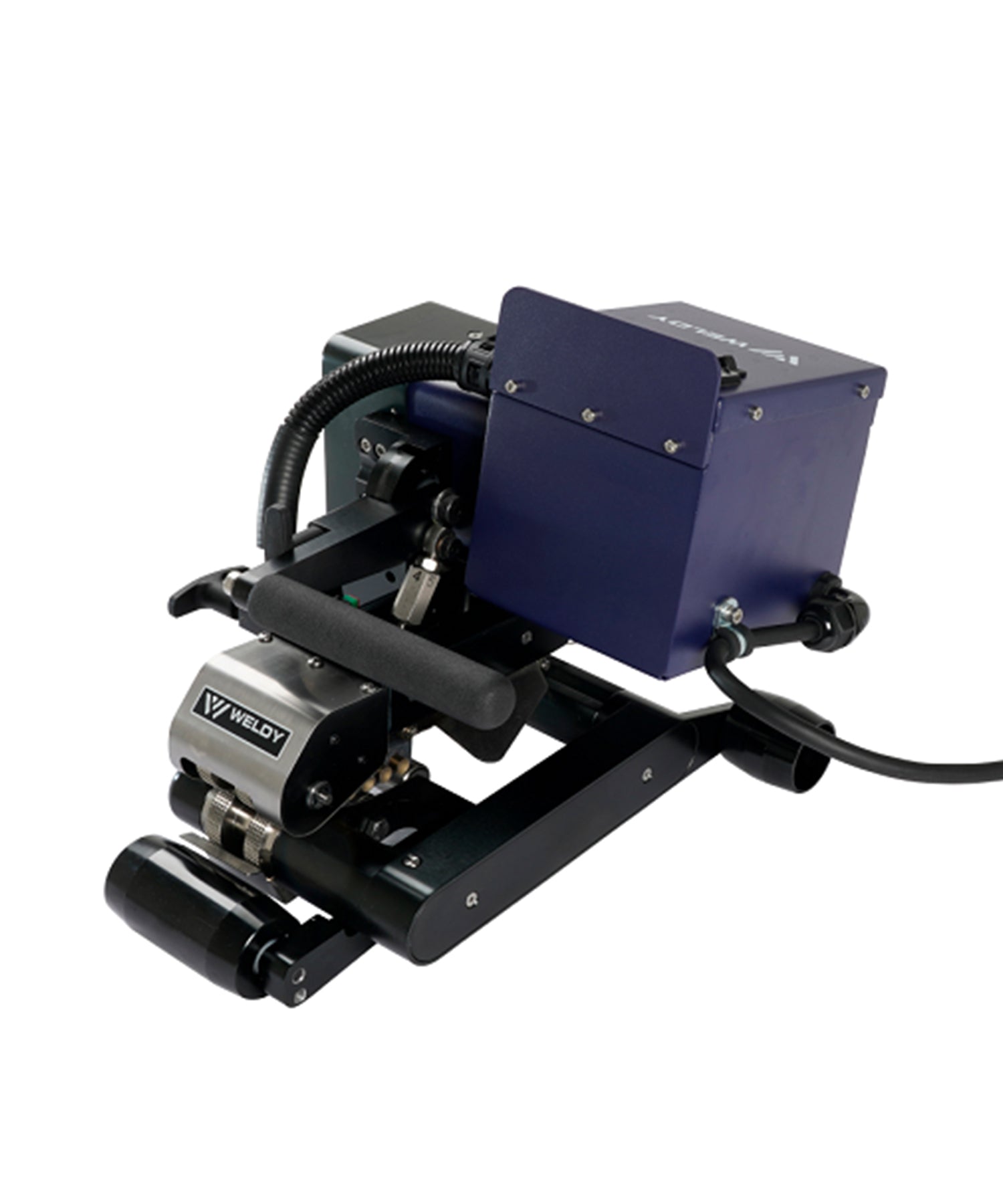
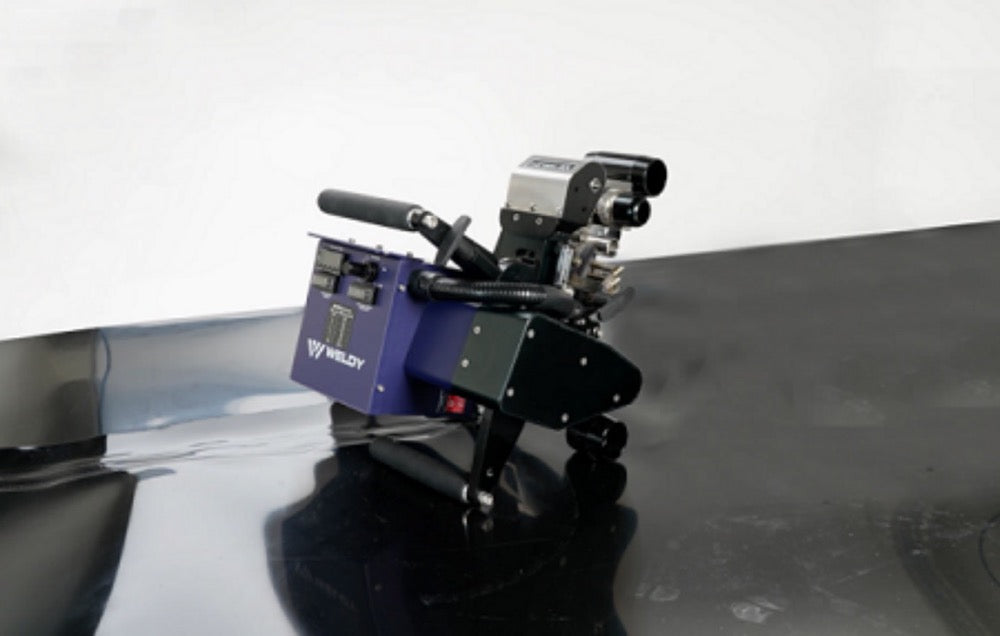
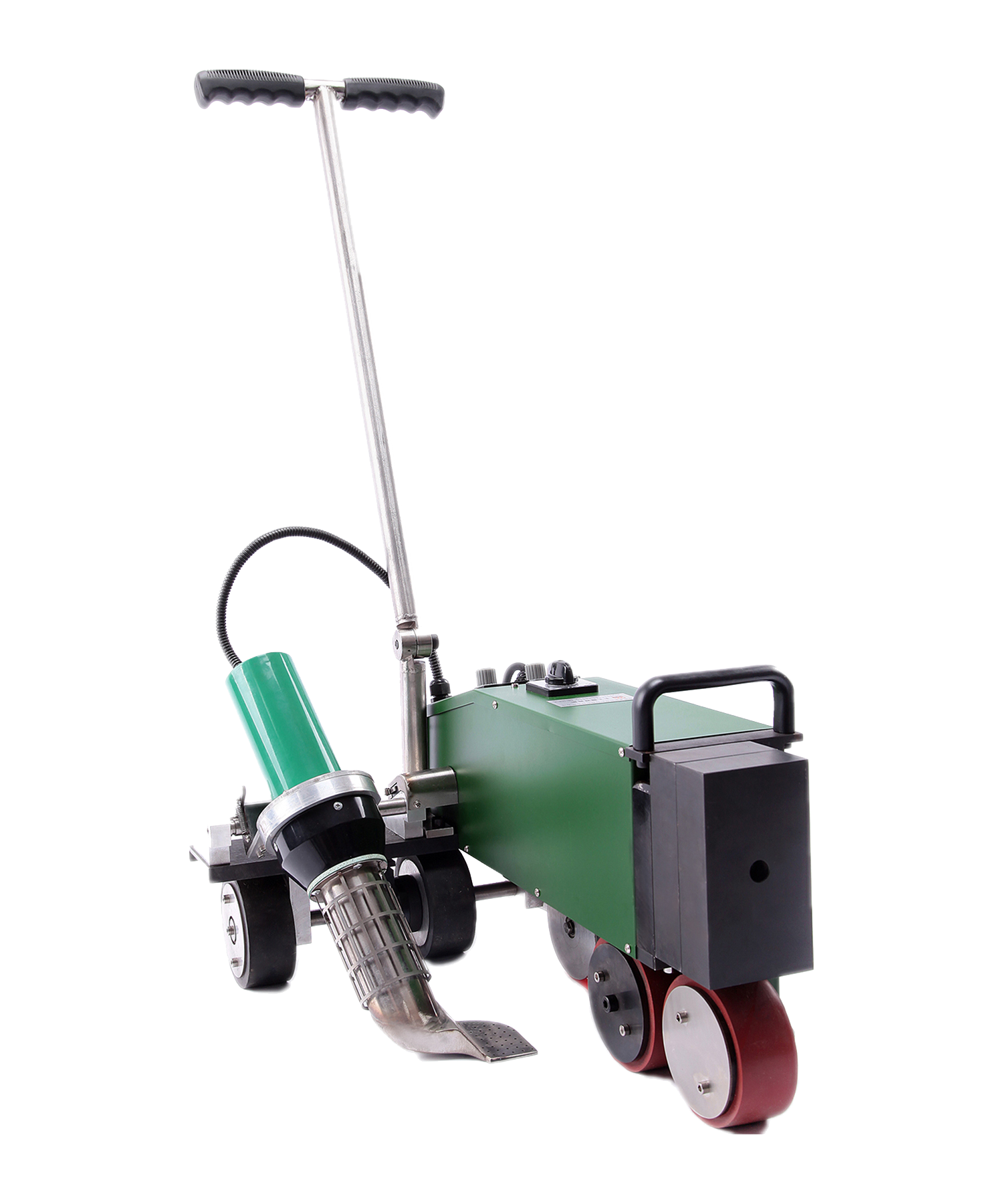
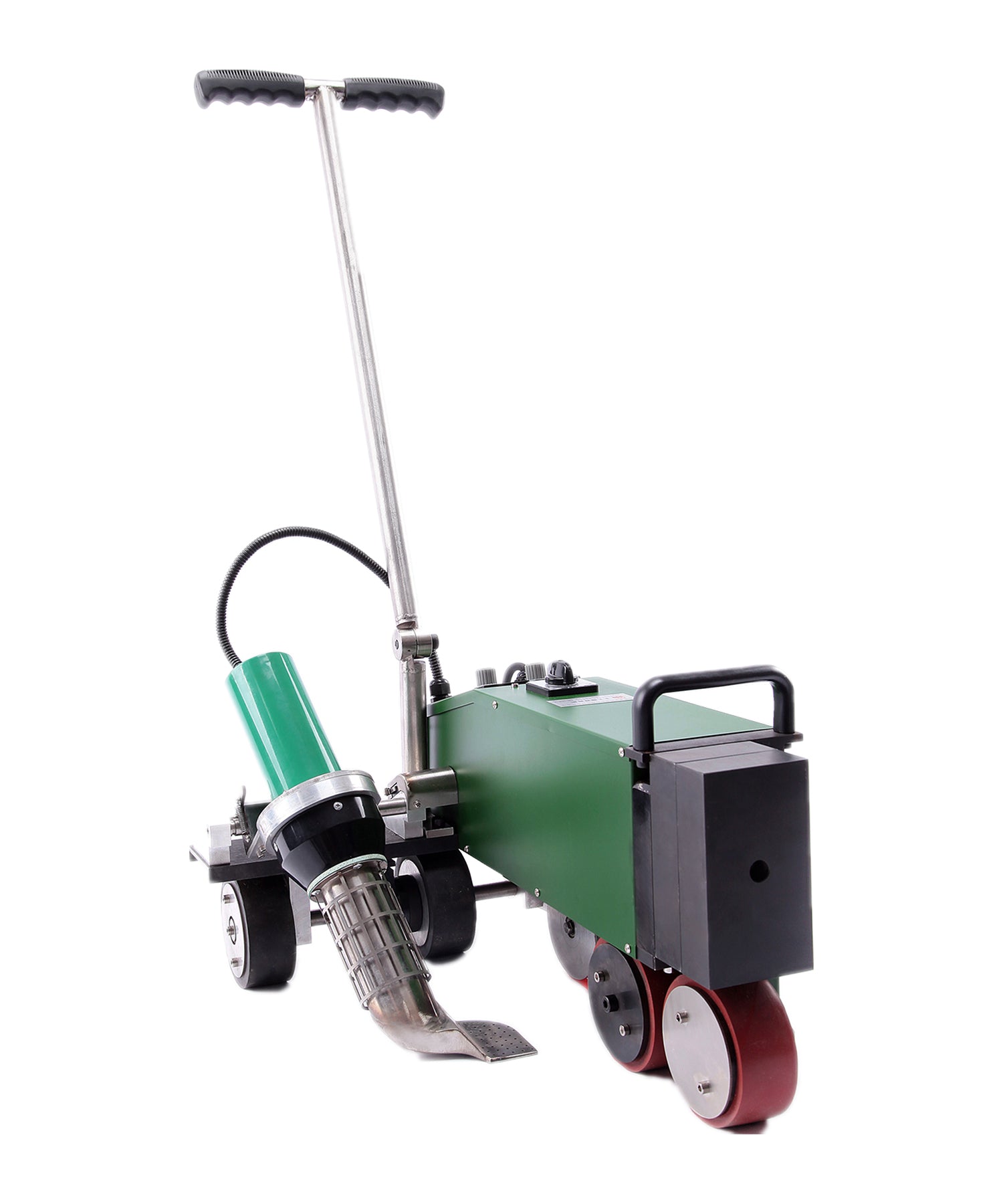
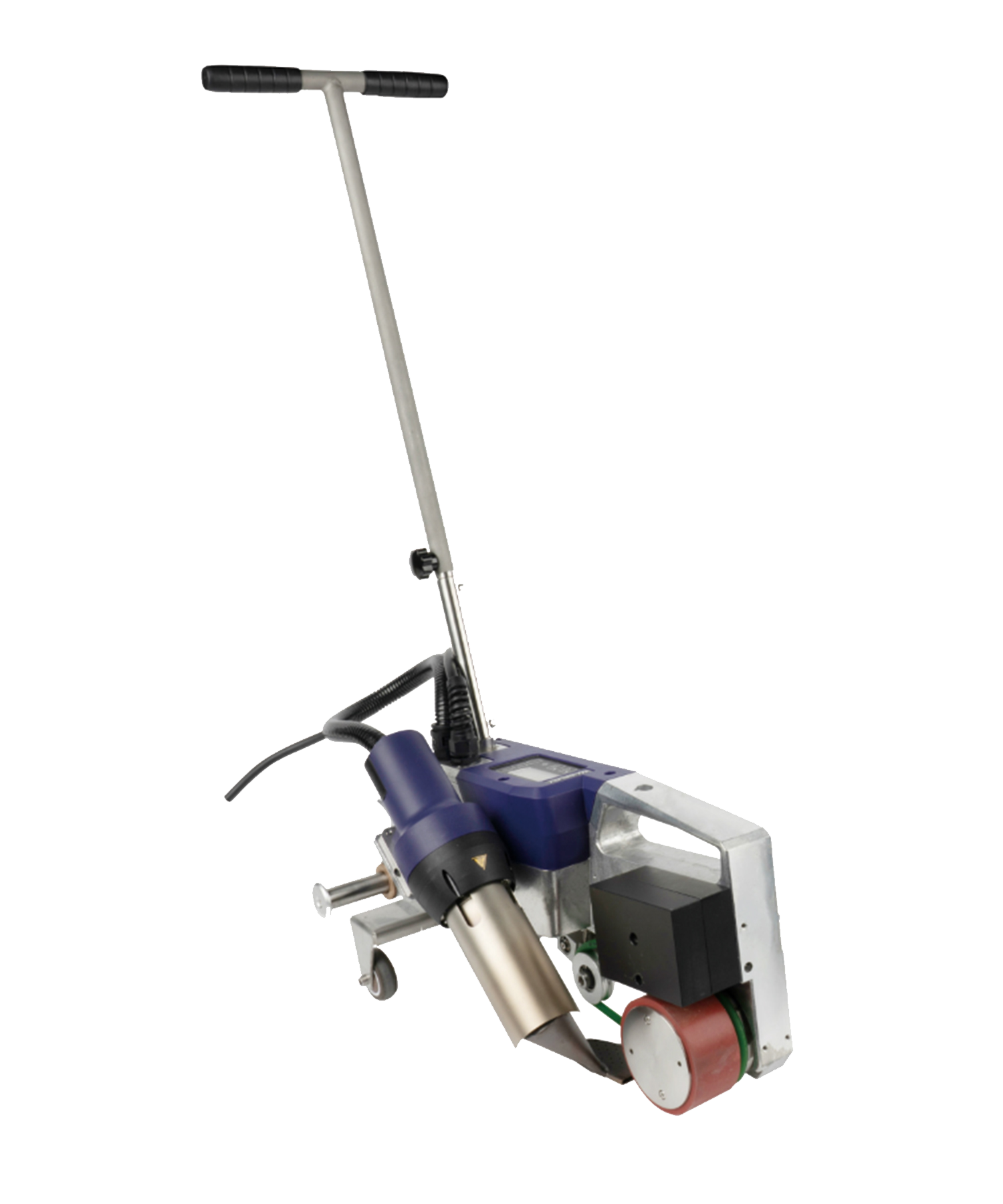
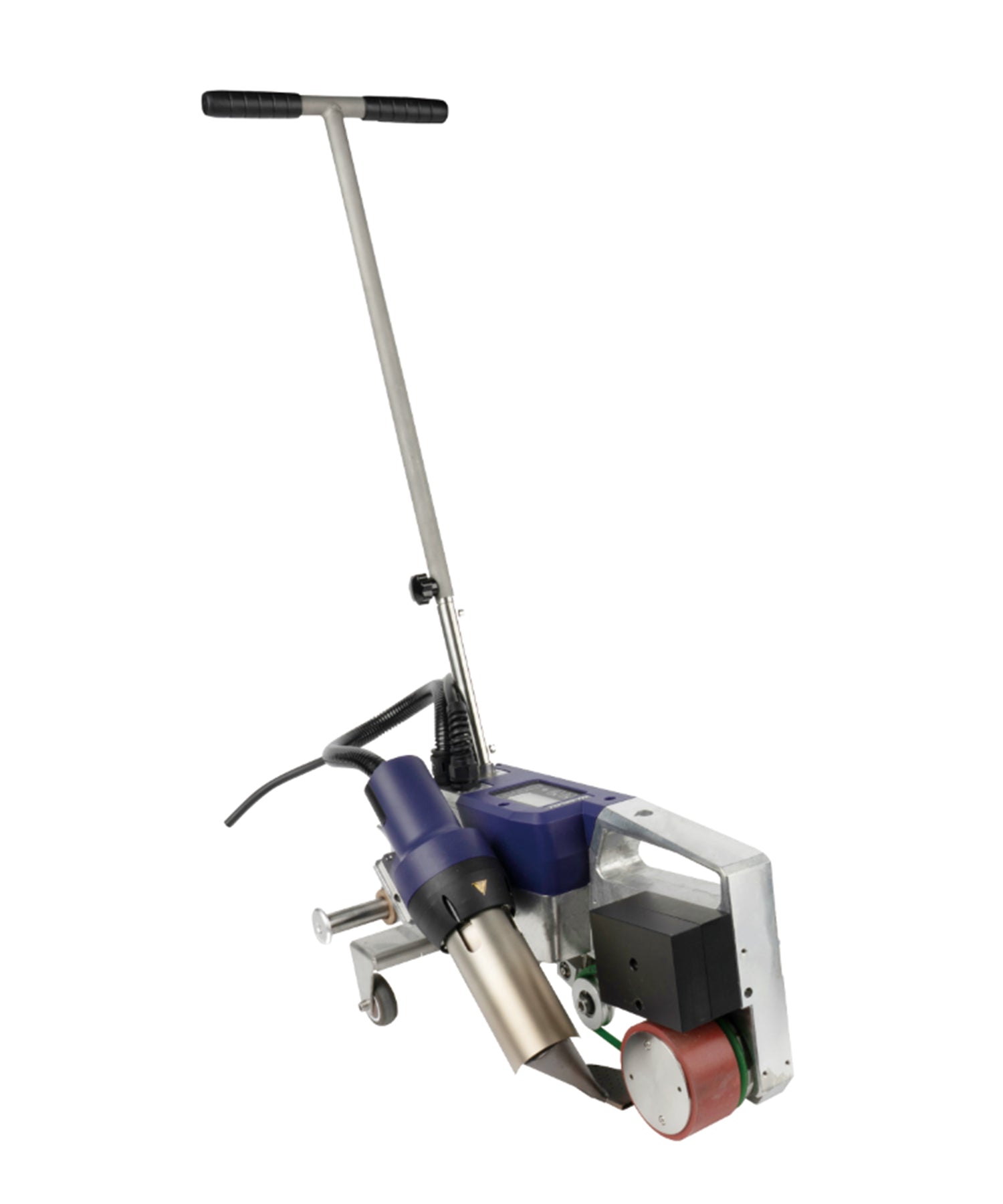
On a large roof the field seams are the repetitive part, and repeatability is the point of an automatic welder. The machine carries the heat source, the drive and the pressure roller along the seam in one controlled pass, so the seam is produced under the same settings. Two machines in our range cover this role: the Weissenberg RWP1 and the Weldy Roof40.
Both are built with a 40 mm seam width as part of the machine specification. Which one suits a project depends on the membrane, the roof layout and the supply on site, so we compare them in our Roof40 vs RWP1 guide rather than repeating specifications here.
Two details matter before you choose. The RWP1 uses closed-loop control to maintain the set temperature and travel speed, helping keep the welding parameters stable during operation. Weldy specifies the Roof40 as capable of close-to-the-edge welding in narrow areas down to approximately 100 mm, which matters where a field seam runs close to an edge or upstand.
Compliance note: Weldy article 159.522 is currently listed by the manufacturer as “No CE – no use in Europe.” Buyers in Europe should confirm the appropriate compliant model or variant before ordering.
Role 2: The Detail Gun for Edges, Corners and Penetrations
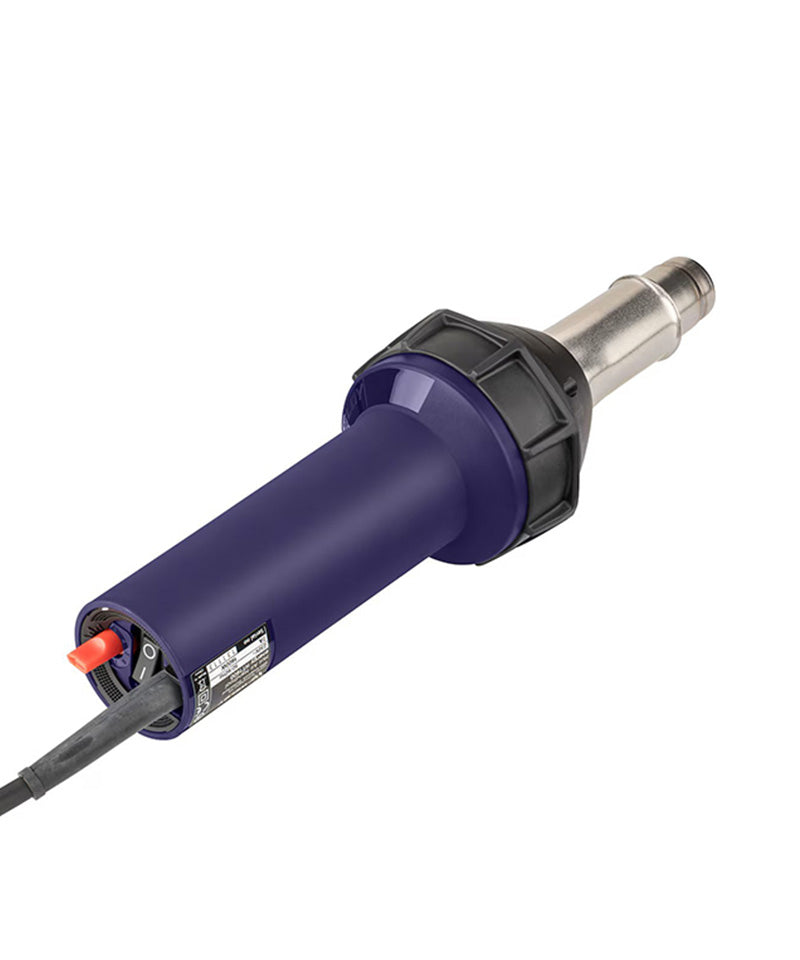
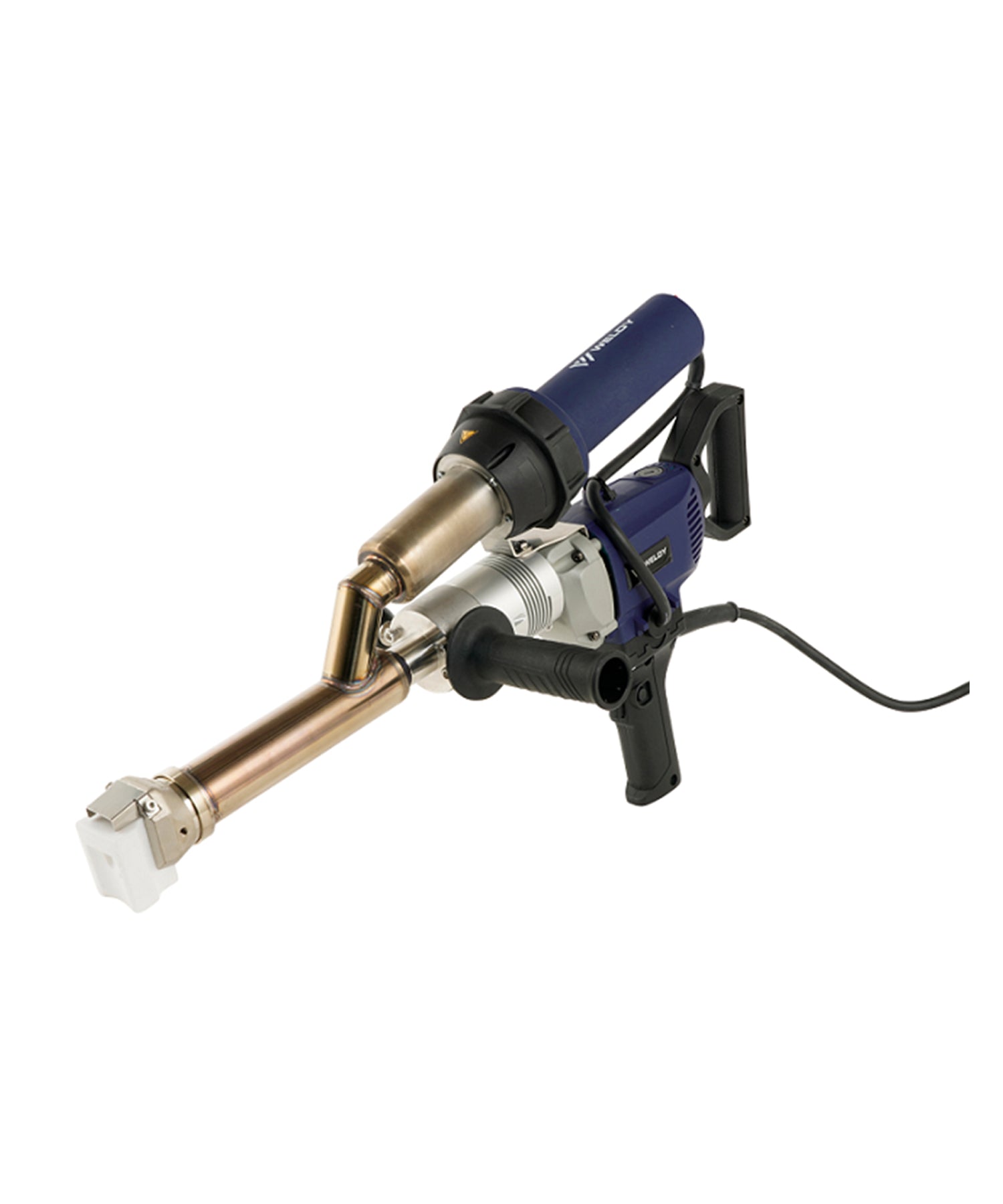
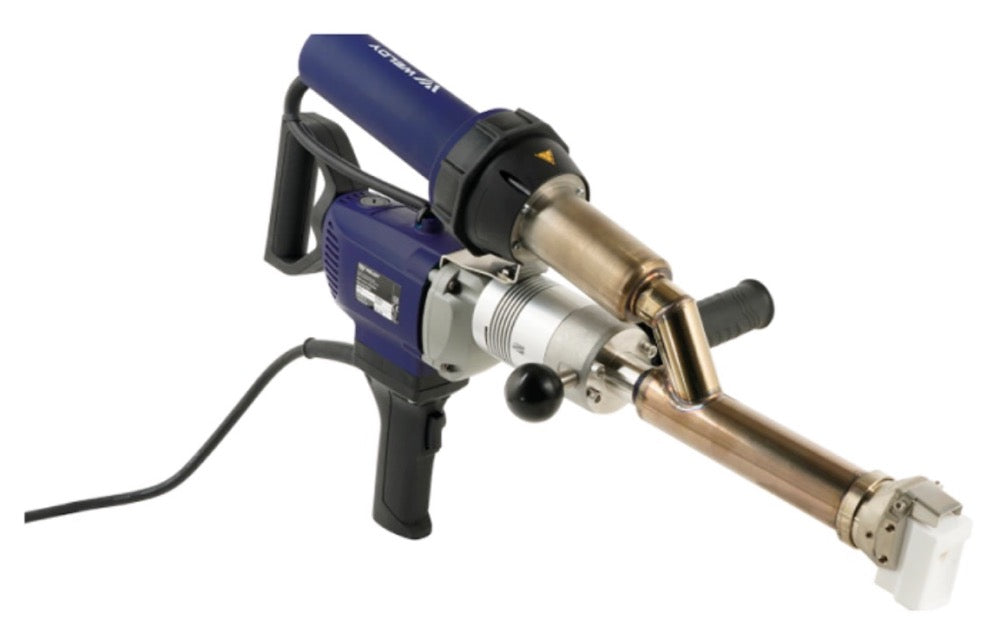
A hand tool is not a lesser version of the automatic machine. It reaches the parts of the roof the machine cannot, and on many projects that is a substantial share of the welding; the setup is covered in our TPO and PVC hand welding guide.
For hand-welded details, a 40 × 2 mm wide slot nozzle and a 40 mm silicone pressure roller are commonly used with compatible hot-air hand tools; selection is in our nozzle guide and pressure roller comparison. The required detail seam width should still follow the roofing membrane manufacturer's procedure rather than the seam width of the automatic machine.
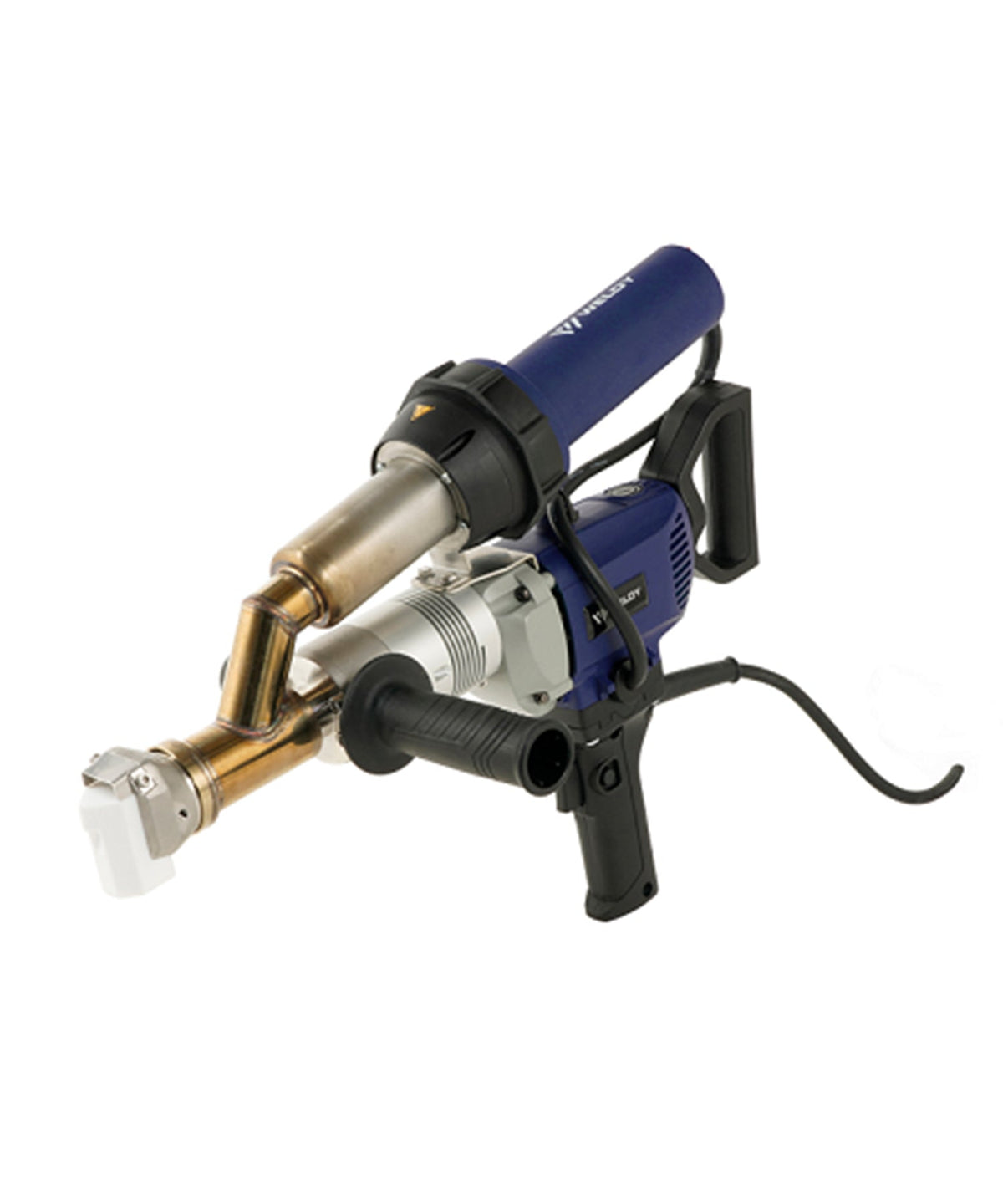
The ENERGY HT1600 and HT1600D both use the Ø 31.5 mm nozzle connection, so the same wide slot nozzle fits either. The HT1600D shows a numeric temperature setting on the LCD; which one a crew takes on site comes down to how much of the detail work benefits from a displayed, repeatable setting.
Follow the membrane manufacturer's specified hand-welding sequence. Some roofing systems require a pre-weld or multi-step hand-welding method before the final weld; do not assume every TPO or PVC detail is completed in one pass. Complete the required welding passes using the setup confirmed by the trial weld.
Many commercial roofing projects therefore use both tool types.
Role 3: Nozzles and Hand Rollers for Detail Welding
The third role is small but decisive: once a hand-welded detail seam has been formed, it still has to be pressed while the material is soft enough to consolidate. That is what the hand pressure roller does. Three accessories matter:
- 40 × 2 mm wide slot nozzle — the general detail width for membrane overlap work.
- 20 × 2 mm wide slot nozzle — the narrower option for edges, corners and confined details where a wider nozzle may not sit flat.
- 40 mm silicone hand pressure roller — general hand rolling, with a 30 mm roller for tighter work.
The two wide slot nozzles suit different working widths and repair geometries rather than different materials, and both fit the Ø 31.5 mm connection on the HT1600 and HT1600D. The hand roller widths follow the same logic: access on hand-welded details.
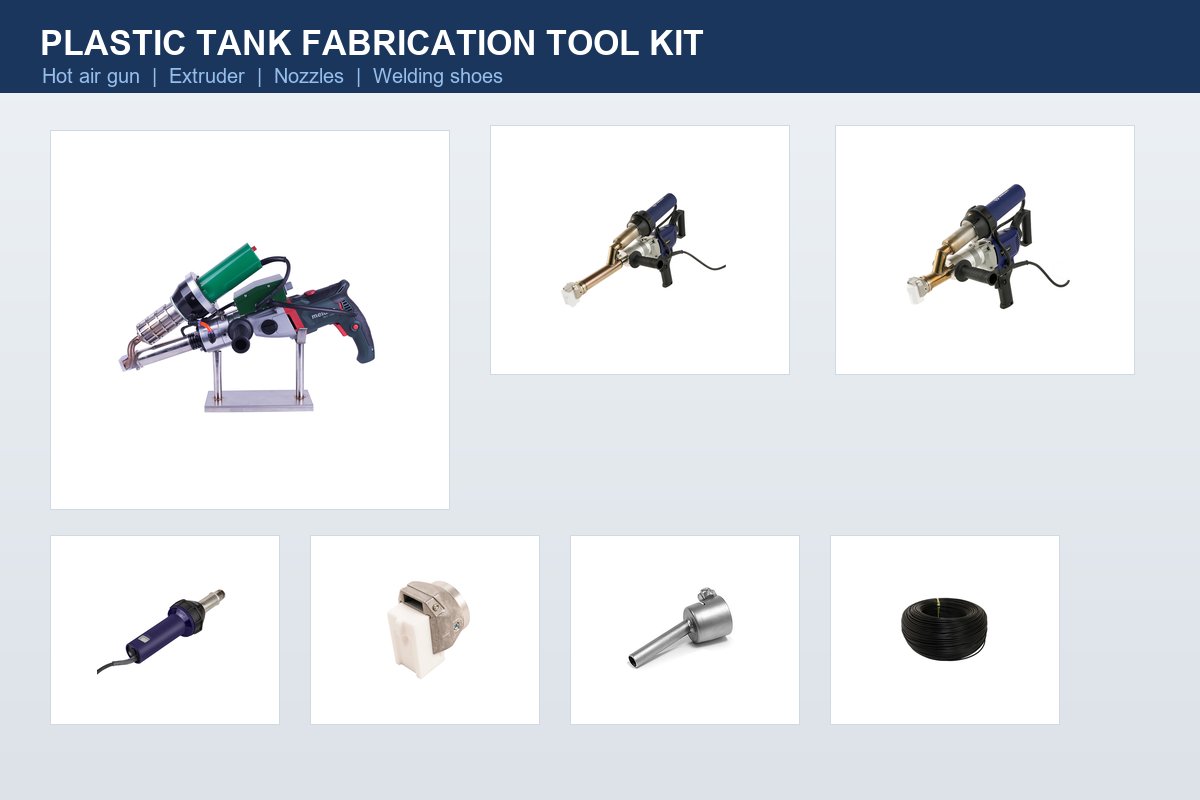
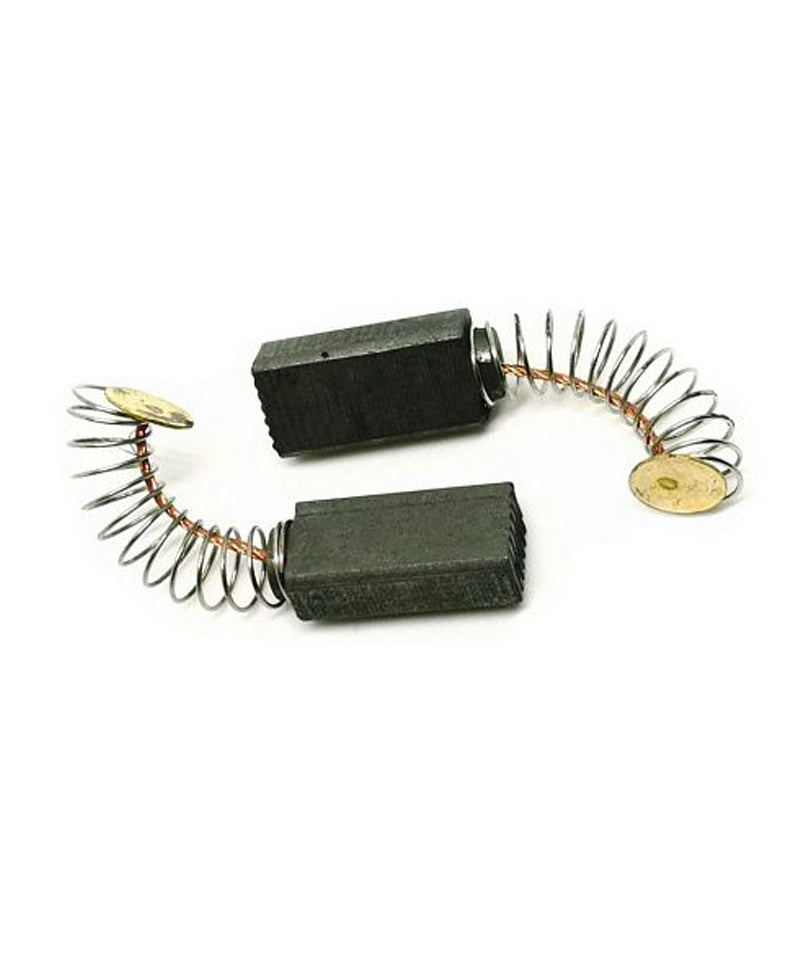
Spare nozzles, rollers, heating elements and carbon brushes are listed in our accessories collection. Heating elements and carbon brushes are listed as separate parts for each tool model and are not listed as interchangeable between models, so order them against the exact tool you run.
Power, Voltage and Supply to Confirm Before Ordering
An automatic roofing welder is a high-power electrical load, so the supply side has to be settled at the same time as the tool. The generator, circuit and extension cord should be sized from the machine's rated input rather than an assumed lower average consumption; the method is in our roofing welder power supply guide.
Voltage is the other item to settle early. The Roof40 and RWP1 versions discussed in this guide are 230 V machines. Do not connect a 230 V unit directly to a 120 V supply. Other voltage variants may exist for some product families, so always confirm the exact article number and rating plate before ordering.
Also check the two machines against each other: their rated inputs differ, so do not assume a supply, connector, cord or generator set up around one will suit the other.
What the Kit Does Not Replace
A kit is only the hardware side of the job. Three things sit with the membrane system and the project rather than with the tools:
- The membrane manufacturer's welding procedure — it defines the overlap, the welding sequence and an acceptable seam.
- The trial weld — trial weld a sample of the membrane you are installing and use it to confirm temperature, travel speed, roller and sequence before production welding starts. Final settings should be confirmed by the trial weld.
- Seam checking — where the roofing system requires a seam check, follow the procedure the membrane manufacturer specifies. A field seam check does not replace the trial weld used to establish the welding setup, and any repair should follow the membrane manufacturer's approved repair procedure.
Safety: work with adequate ventilation and take care not to overheat the membrane coating. Hot-air tools and freshly welded membrane remain hot after welding. Allow the tool to cool before handling it, and follow the membrane manufacturer's procedure before probing or inspecting the seam. Follow the membrane supplier's safety data and the site safety requirements. PVC-coated membranes should be treated as weldable only where the coating and surface treatment are listed as weldable by the fabric supplier.
Roofing Welding Tool Kit Checklist
| Item | Role in the kit | Where to find it |
|---|---|---|
| Automatic roofing welder | Long field seams | RWP1, Weldy Roof40 |
| Hot-air hand tool, Ø 31.5 mm connection | Details and repairs | ENERGY HT1600, HT1600D |
| Wide slot nozzle, 40 × 2 mm | General detail width | Linked above |
| Wide slot nozzle, 20 × 2 mm | Edges, corners and confined details | Linked above |
| Silicone hand pressure roller, 40 mm and 30 mm | Consolidating hand-welded details | Linked above |
| Spare nozzles, heating elements, carbon brushes | Keeping the tools in service | Accessories collection |
Build the kit around the work each tool does, then confirm the membrane, supply and voltage version.
Weissenberg builds its own plastic welding equipment in our own factory to our internal quality-control requirements, alongside supplying genuine Weldy tools and spare parts. Our own equipment carries a 1-year warranty and lifetime technical support. If you are assembling a kit for a specific project, tell us the membrane and the roof and our technical team will help you match the tools to the job.




Leave a comment
This site is protected by hCaptcha and the hCaptcha Privacy Policy and Terms of Service apply.