

Quick answer
HDPE and LLDPE are both polyethylene geomembranes, and one of the most visible practical differences on site is how flexible the sheet is. A stiffer HDPE sheet holds its own shape across an overlap; a more flexible LLDPE sheet conforms to the ground beneath it and to the roller above it.
On the machine side, selection rests on its own set of characteristics — the thickness window, the temperature and travel-speed settings, wedge and roller contact, and the weight the crew moves along the seam. These are checked against the membrane, not derived from it.
The welding values for the sheet you are installing come from the membrane supplier’s welding instructions, and a trial weld confirms the setup before production seams begin.
Choosing a geomembrane welder is framed as a model question: which machine, at what power, for what thickness. The material question comes first. HDPE and LLDPE are both polyethylene liners welded with a hot wedge, and a machine approved or listed for both types can run either sheet. The two do not behave identically under the wedge, so the membrane belongs in the selection check.
This page covers what actually differs between the two materials and which machine characteristics respond to it. The model-by-model specification comparison is not repeated here; it is set out in our RYG series geomembrane welder guide.
What Actually Differs Between HDPE and LLDPE
Both materials are polyethylene. The difference sits in the polymer chain and feeds through into density, stiffness and elongation.
| Property | HDPE | LLDPE |
|---|---|---|
| Polymer chain | Little short-chain branching | Short-chain branching |
| Density | Higher | Lower |
| Sheet stiffness | Stiffer | More flexible |
| Elongation at break | Lower | Higher |
| Conformability | Holds its own shape over uneven ground, so the overlap stays flatter | Follows the ground and the roller more readily, and is specified where the liner has to follow a less regular surface |
In liner work that shows up as handling behaviour. A stiffer sheet resists draping and holds a flatter overlap; a softer sheet follows the ground it is laid on.
Both families are also supplied with different additive packages, carbon black content and surface conditions, set by the membrane manufacturer. The designation gives the family; the manufacturer’s data sheet gives what is in the roll on site.
How the Material Difference Reaches the Weld
A hot wedge weld depends on heat, pressure and travel speed acting together at the interface between two sheets. Change the stiffness of the sheet and the interface behaves differently.
- Contact with the wedge. A stiffer sheet bears on the wedge and the roller differently from a softer one, so the same setting does not produce the same contact condition.
- Overlap stability. Stiffer sheet holds a flatter overlap. A flexible sheet can follow the subgrade and carry small waves into the seam.
- Set after the roller. The seam has to hold while it cools, and a softer sheet behaves differently from a stiffer one as it leaves the roller. Additives, carbon black and surface treatment come from the membrane manufacturer and are part of the welding instructions.
With the settings taken from the membrane supplier rather than from the machine alone, the same unit can serve both sheets on different jobs.
HDPE vs LLDPE Welding: Which Machine Characteristics Matter
Six machine characteristics to check when the membrane family changes.
| Machine characteristic | Why it matters for selection |
|---|---|
| The thickness window the machine is listed for | The gauge on the roll has to fall inside the machine’s rated single-layer band before anything else is compared. |
| Temperature and travel-speed settings | A stiff sheet and a flexible sheet do not reach the same interface condition at identical values. |
| Wedge type and wedge length | A stiff sheet bears on the wedge differently from one that drapes. |
| Roller and how the overlap is dressed | The roller follows the overlap the sheet presents, and a flexible sheet on uneven ground presents a less even line. |
| Weight and how the machine is moved | On slopes and long runs, weight and tracking effort are part of the daily work; listed weights in this range run from 3.9 kg to 15 kg. |
| Whether settings can be read and repeated | Where values have to hold across a shift, a display gives the team a number to set and record. |
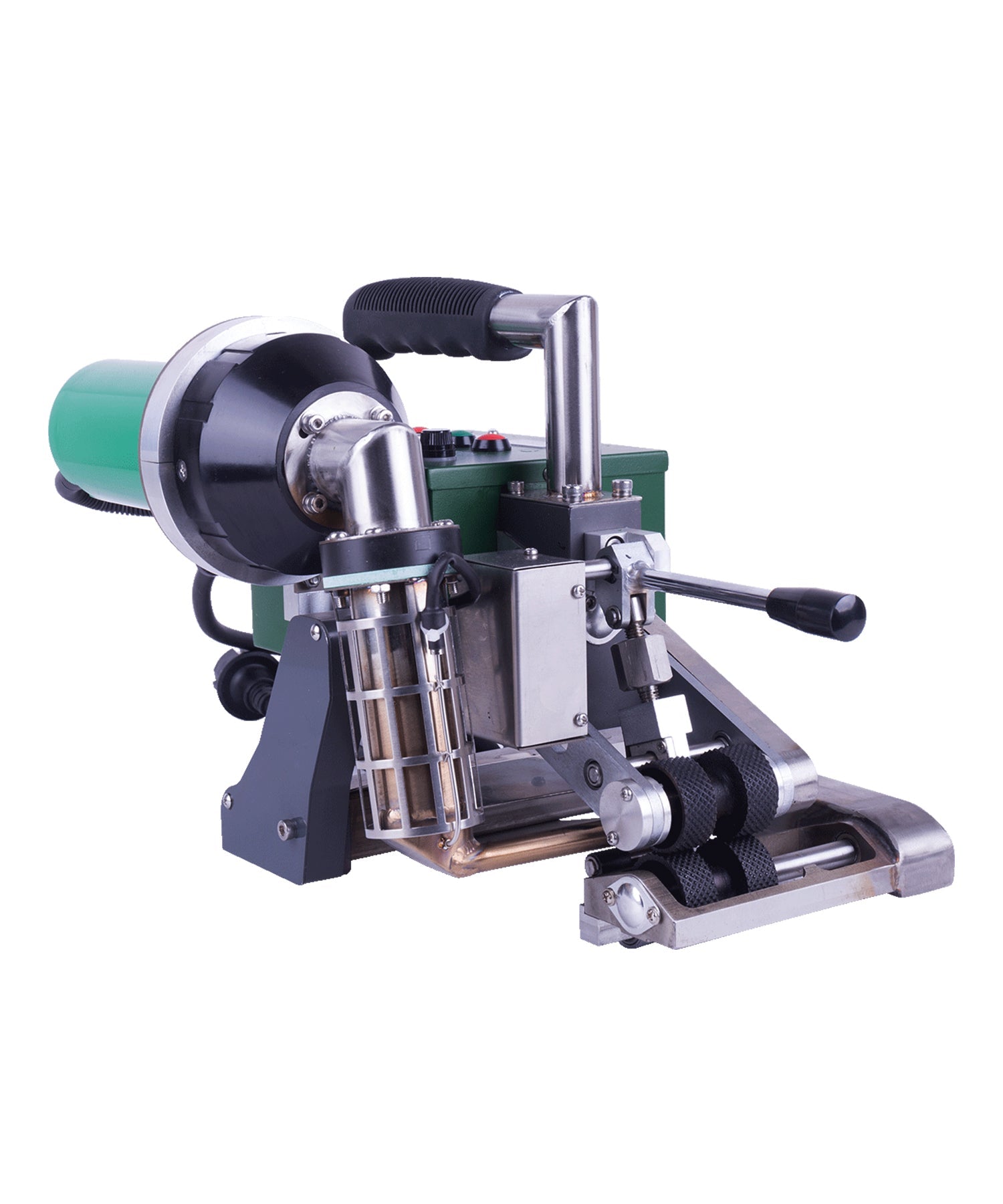
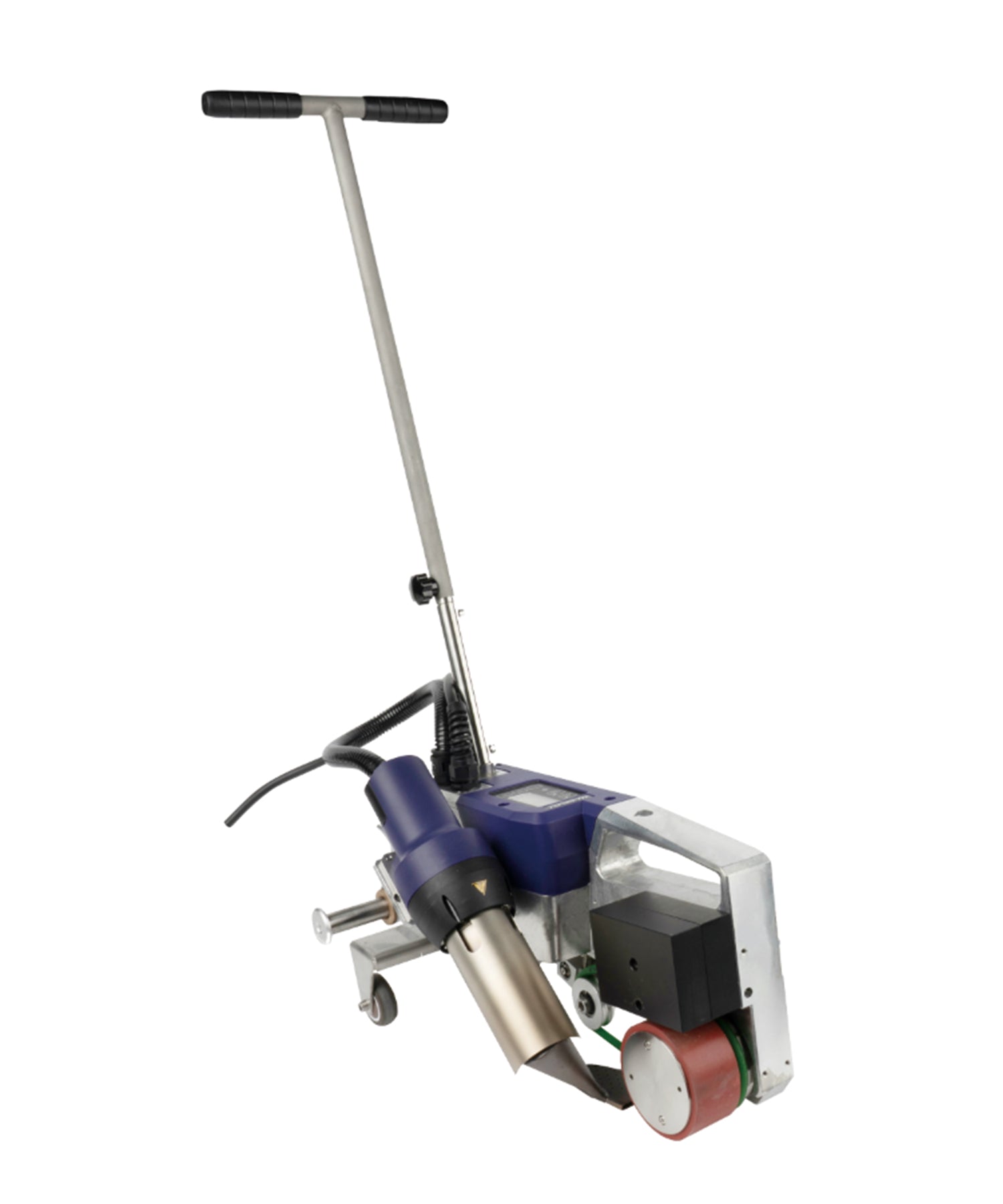
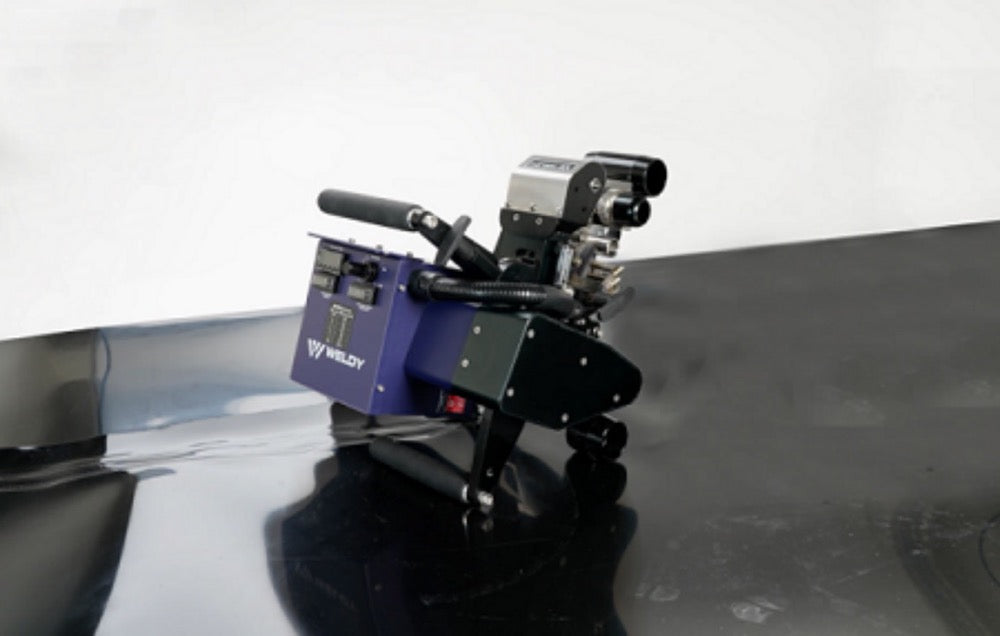
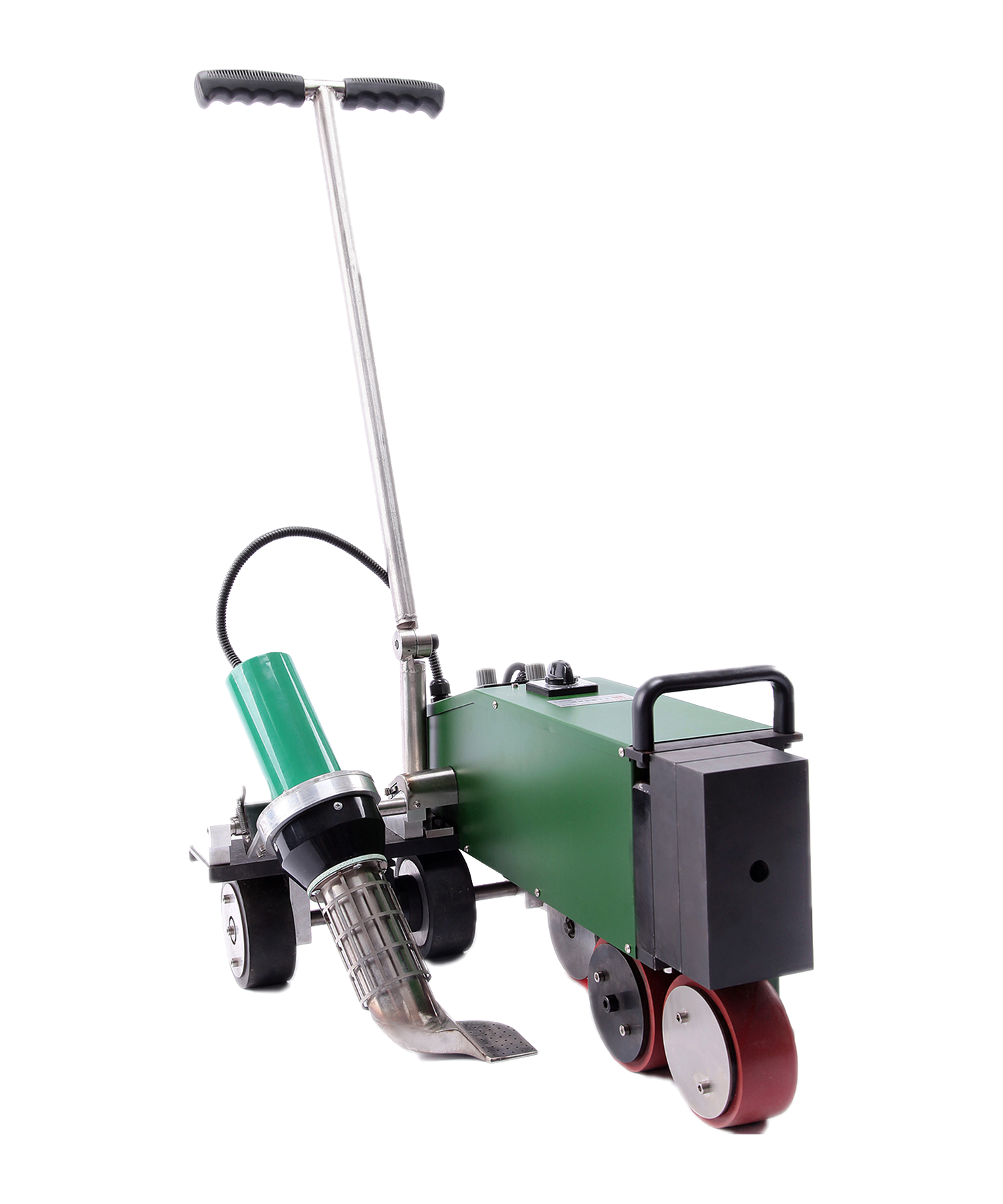
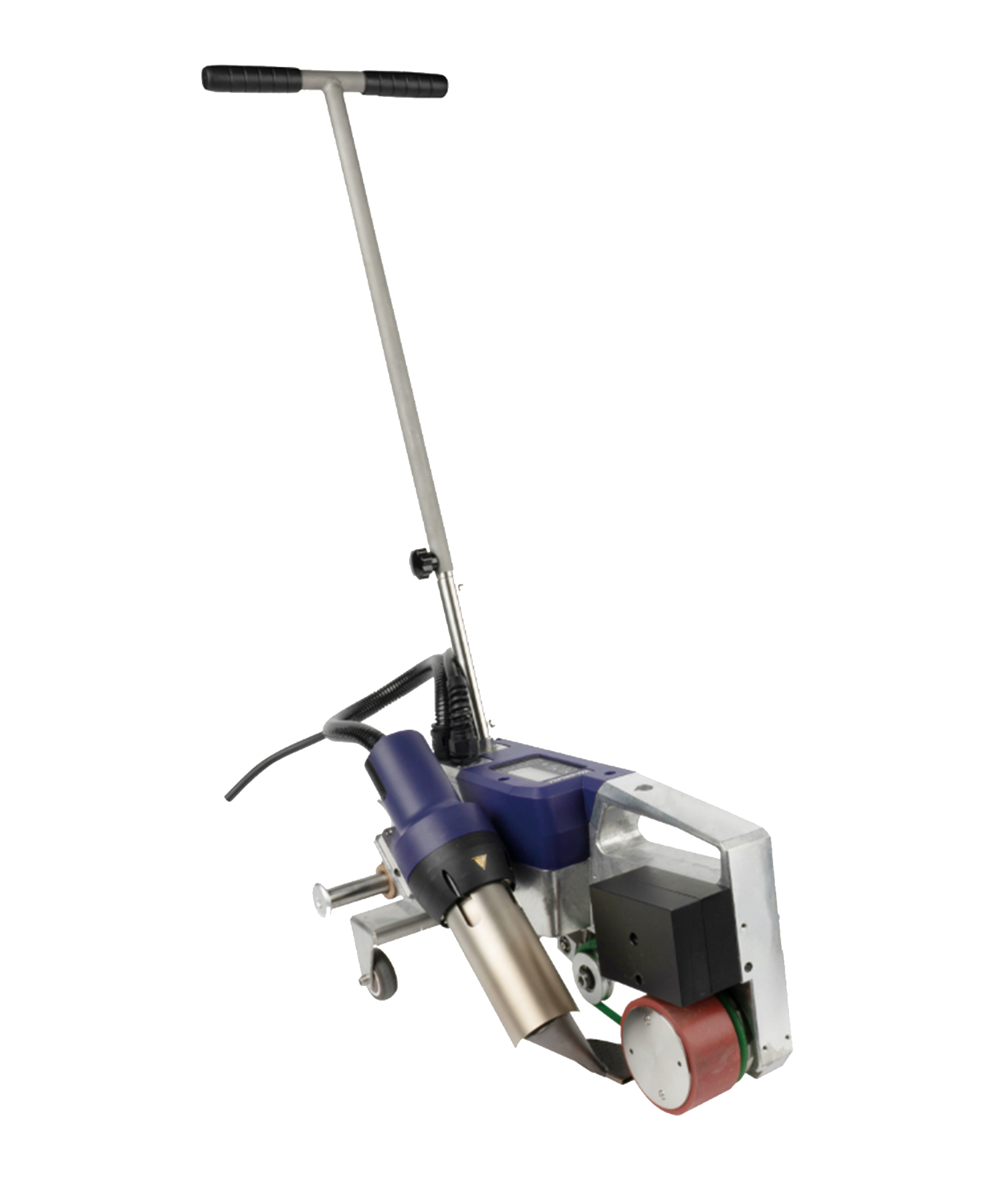
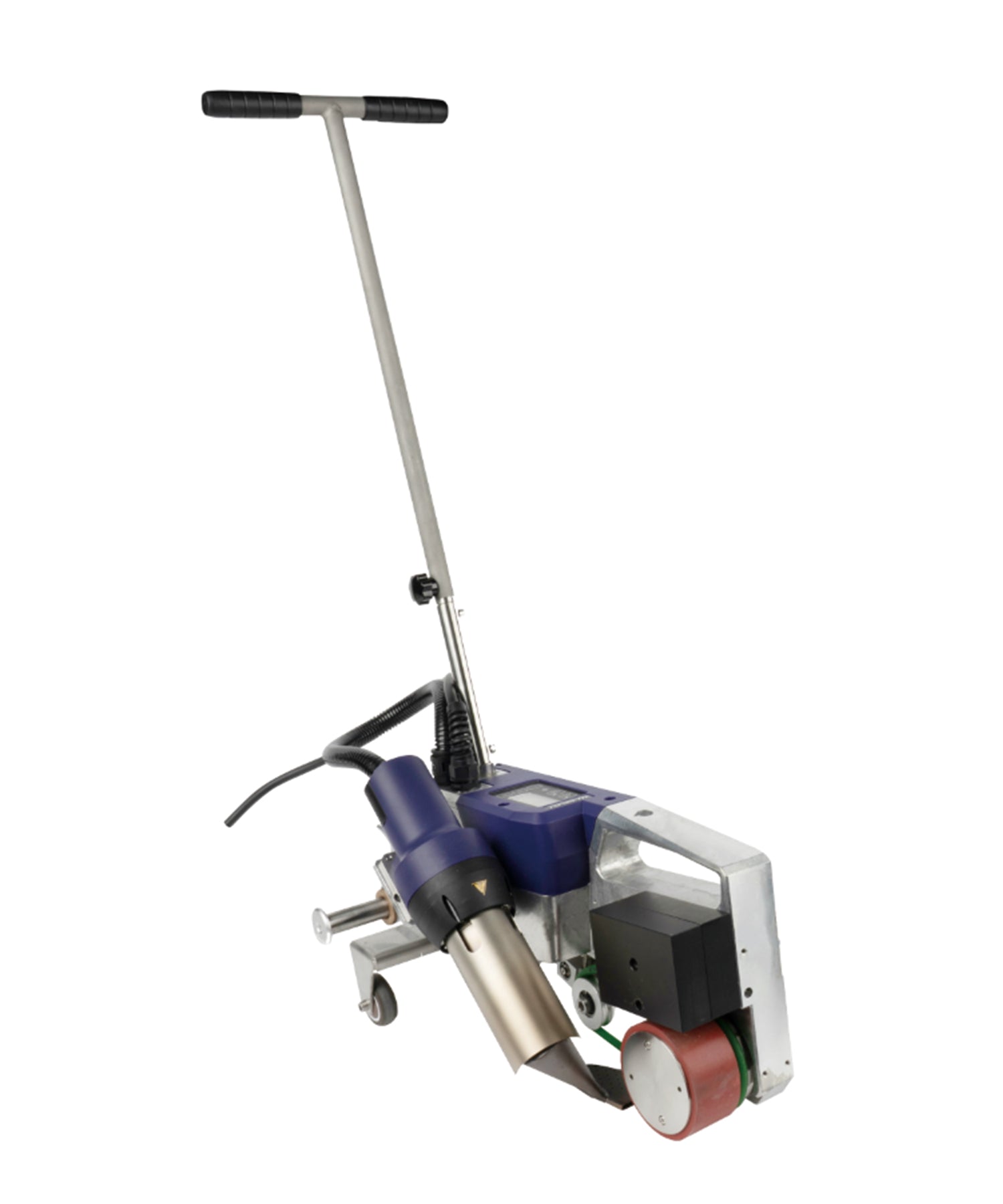
None of the six is on its own a reason to change machine class, and none removes the thickness question. The first filter is the gauge on the roll. In the Weissenberg range the RYG800D is listed for single-layer membranes from 0.2 mm to 1.5 mm and adds a digital display for temperature and speed, which suits thin single-layer membrane work where the same values have to be held repeatedly. The RYG700 runs a wider listed thickness range, 0.5–3.5 mm, with heating up to 620 °C.
Confirm the material and the gauge against the machine’s listed range, and check weldability of the specific membrane with its manufacturer.
Wedge Design, Roller and Seam Pattern
The wedge transfers heat into the interface, and its material and length shape how that heat reaches the overlap. A stainless steel wedge and a copper wedge do not behave identically, and wedge length affects how long the sheet is under heat before the roller closes it. Wedge length and material are not a ranking: what suits the job depends on the membrane, the gauge and the machine it is listed for.
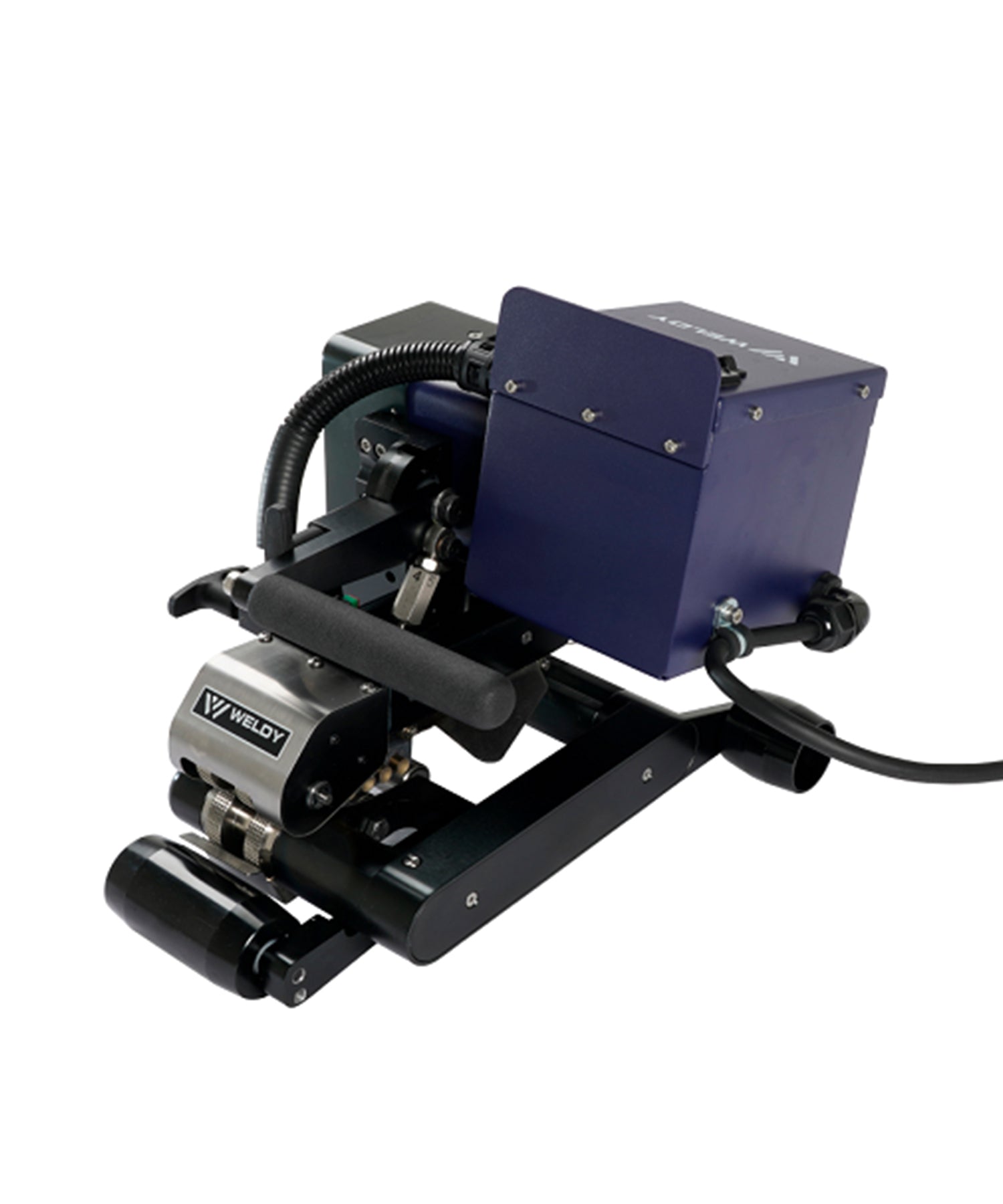
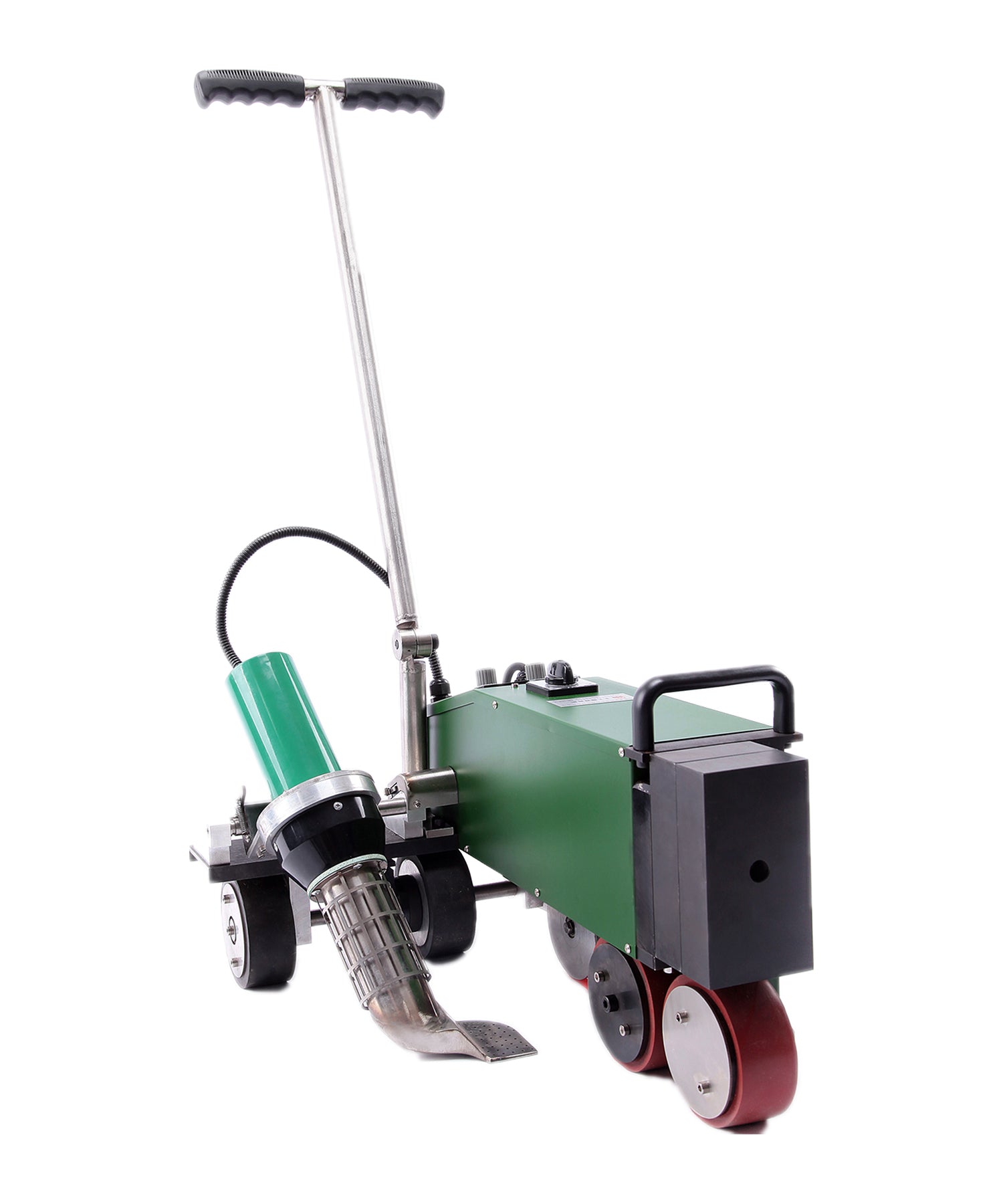
The Weldy WGW300 is built around an 80 mm copper wedge with a maximum overlap of 150 mm and is listed for 0.8–2.5 mm sheet. The Weldy Miniwelder geo2 uses a 36 mm stainless steel wedge with a maximum overlap of 100 mm and is listed for 0.5–1.5 mm sheet. A replacement wedge is supplied for the model it is listed for.
The seam pattern matters for a second reason: several machines in this range lay two parallel weld tracks with an interior cavity between them. Where a project’s acceptance procedure uses that cavity to check the seam, the pattern is part of what the machine has to provide. How that check is carried out is a project and membrane-system question, covered in our article on testing dual-track geomembrane welds.
HDPE vs LLDPE Geomembrane Welding: Values You Confirm, Not Assume
No single set of temperature and travel-speed values covers both materials across all gauges and all suppliers. The sequence that does hold is short.
- Take the parameters from the membrane supplier. Welding instructions and any published starting guidance are set for that sheet, not for the family in general.
- Trial weld a sample of the membrane you are installing. A trial weld on the actual roll confirms that the machine setup produces the seam the project requires.
- Agree the acceptance criteria before production starts. What is checked, when it is checked and to what standard belongs in the project documentation.
- Re-check when something changes. A new roll, gauge, weather pattern or crew all justify re-confirming the setup.
A field check on a finished seam does not replace the trial weld used to establish the welding setup, and any repair is carried out according to the membrane manufacturer’s approved repair procedure.
Where to Start in the Geomembrane Welder Range
A practical order for a liner project:
- Start from the roll, not the machine. Confirm the material family, the gauge and the supplier’s welding instructions first.
- Set the thickness window. The machine has to be listed for the gauge you are laying, in single-layer terms.
- Account for the working position. Production runs, slopes and confined details pull the selection in different directions.
- Decide how repeatable the seam has to be. Where values must hold across a shift, temperature and speed displays give the team a number to set and record.
- Confirm the voltage version on the product page: a unit built for one supply is not intended to run on another.
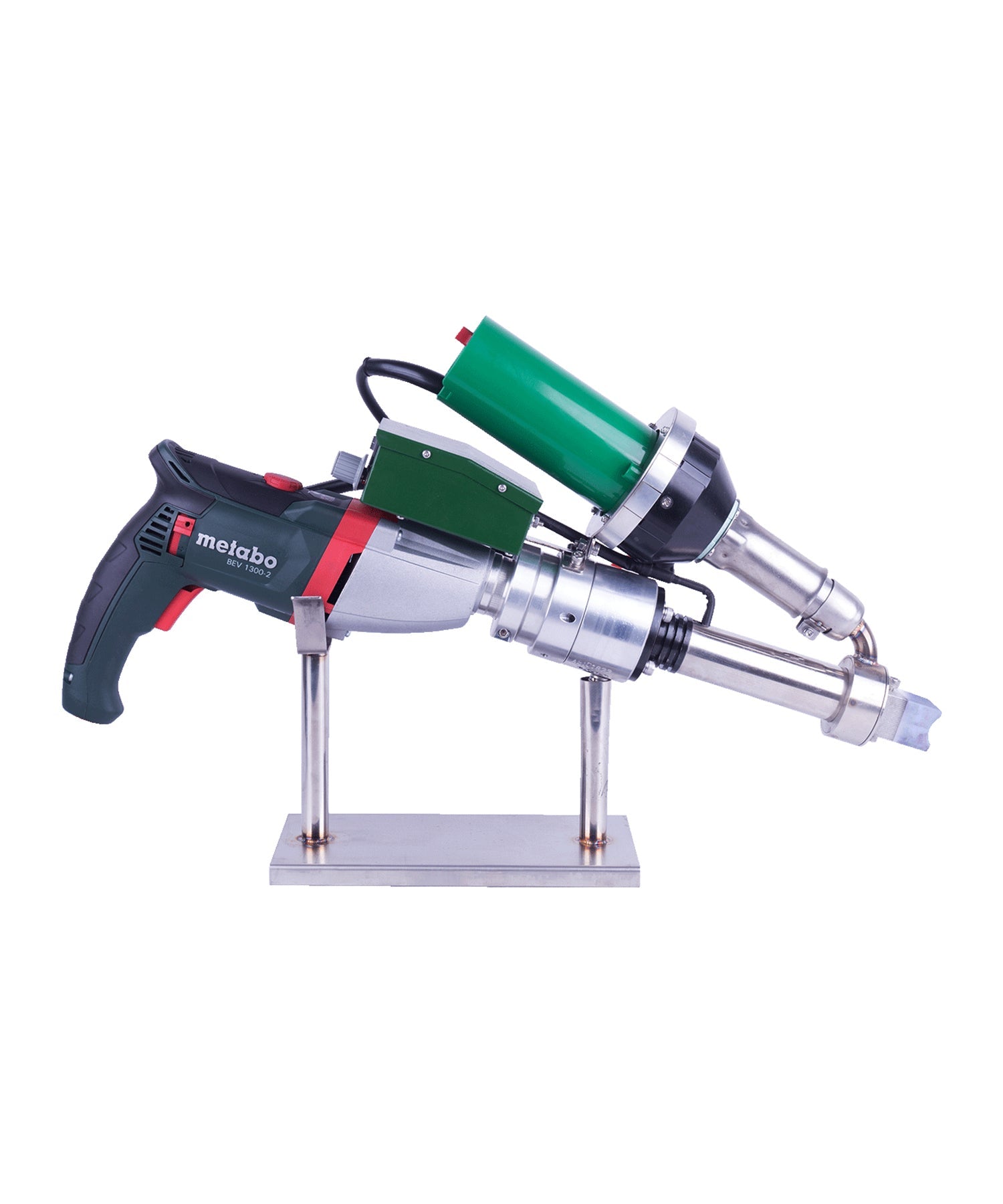
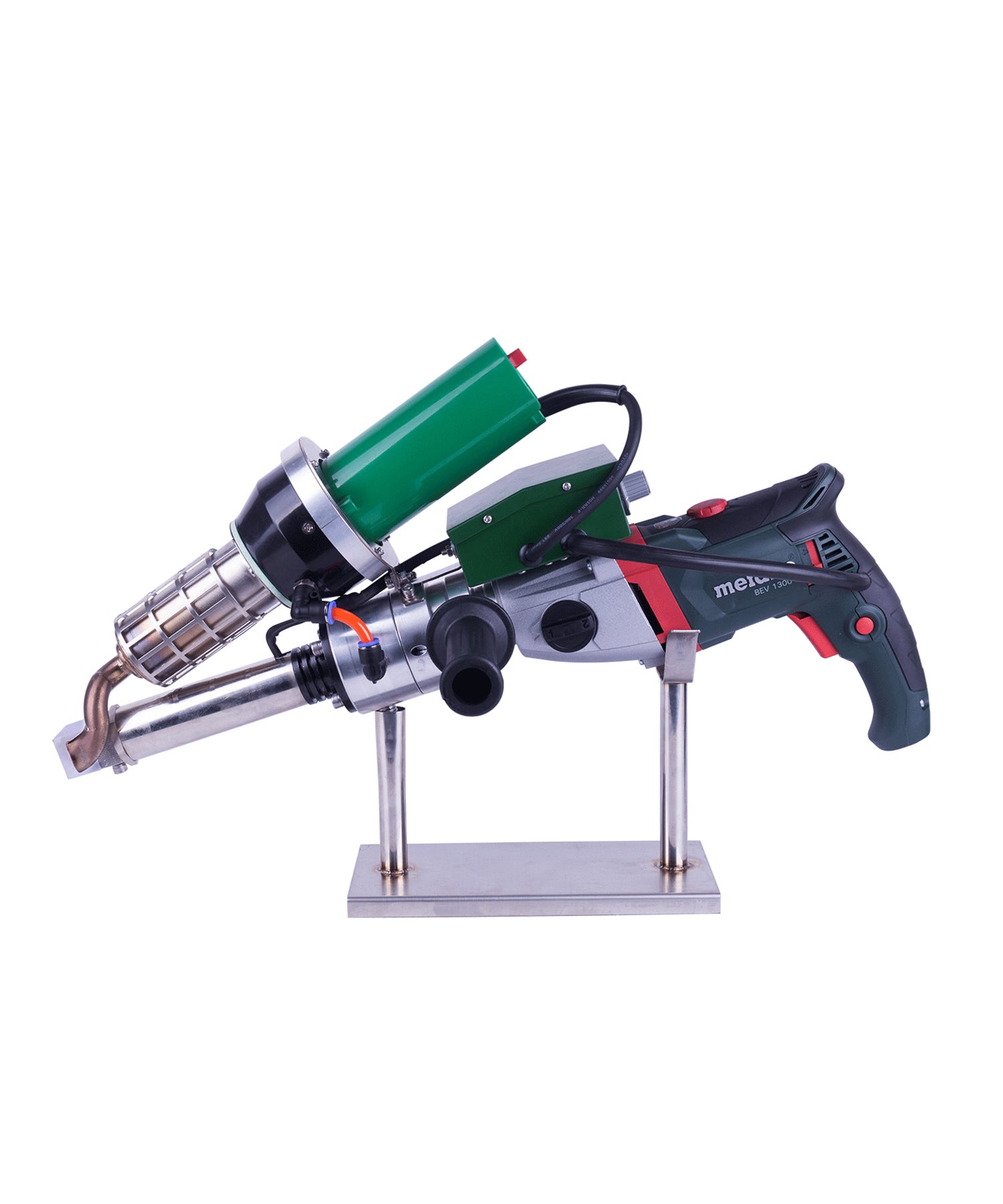
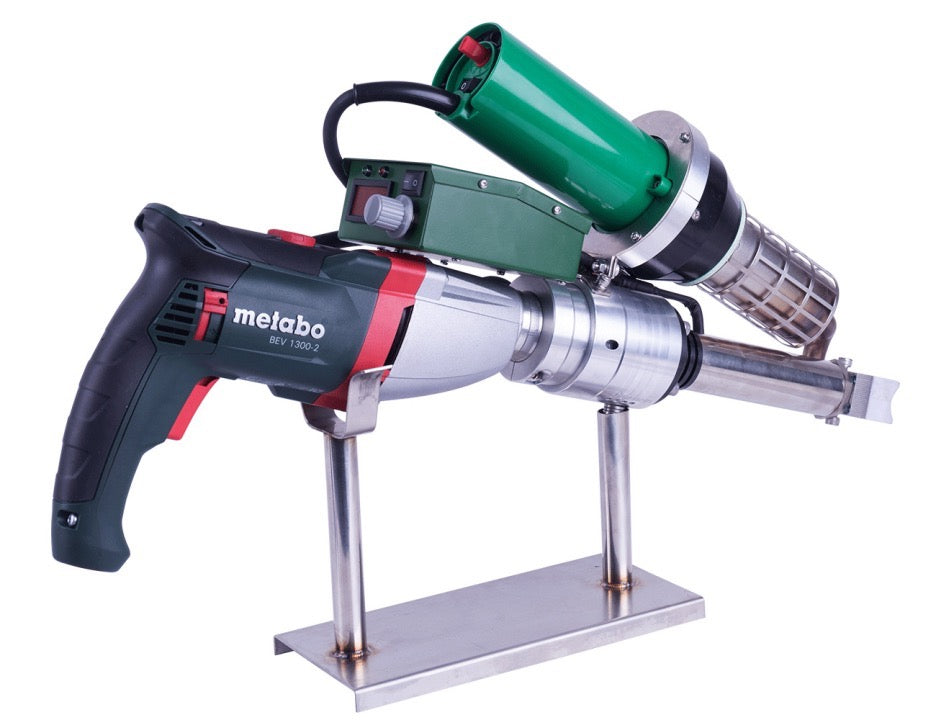
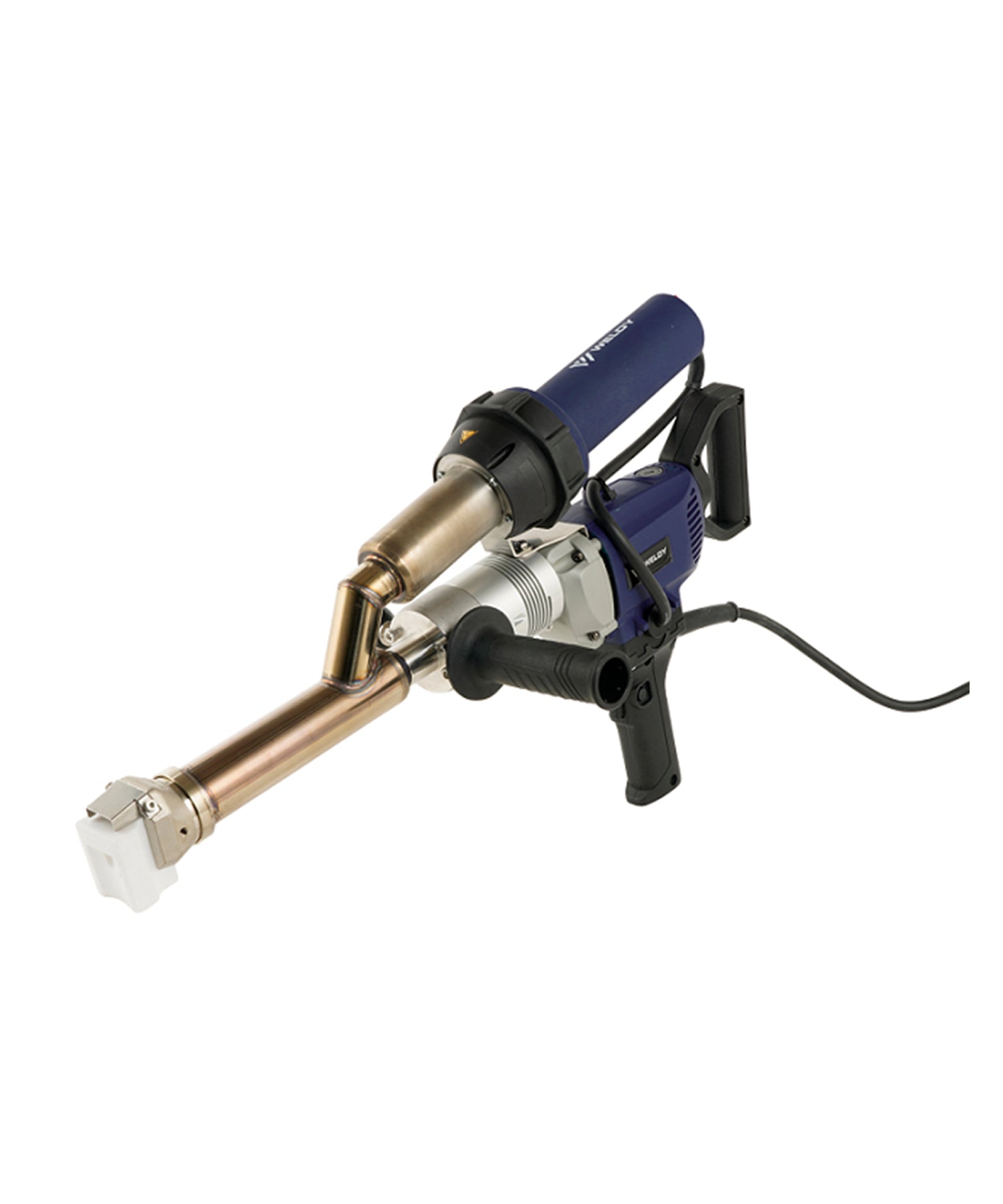
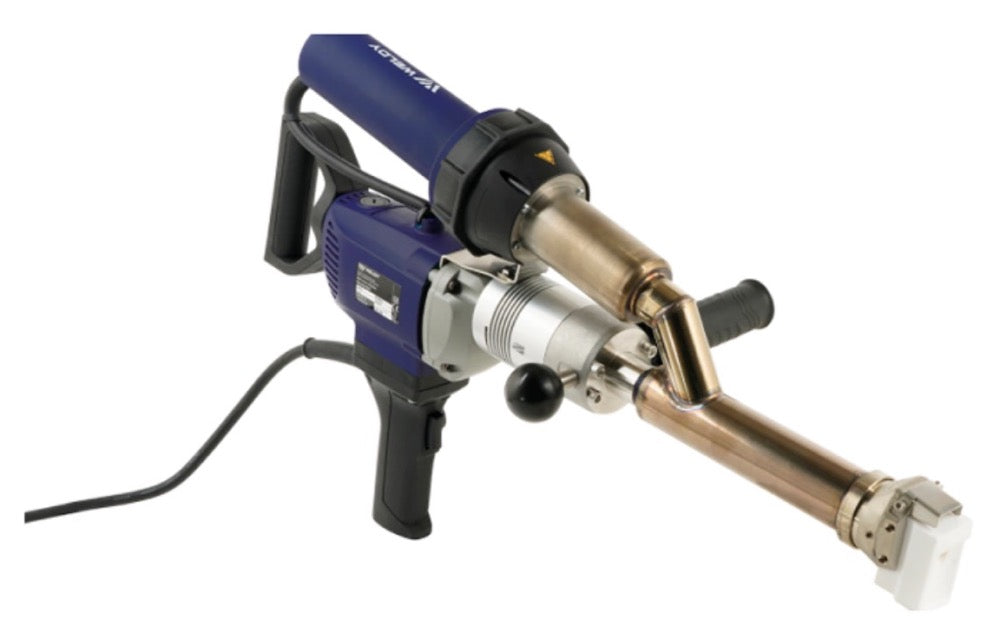
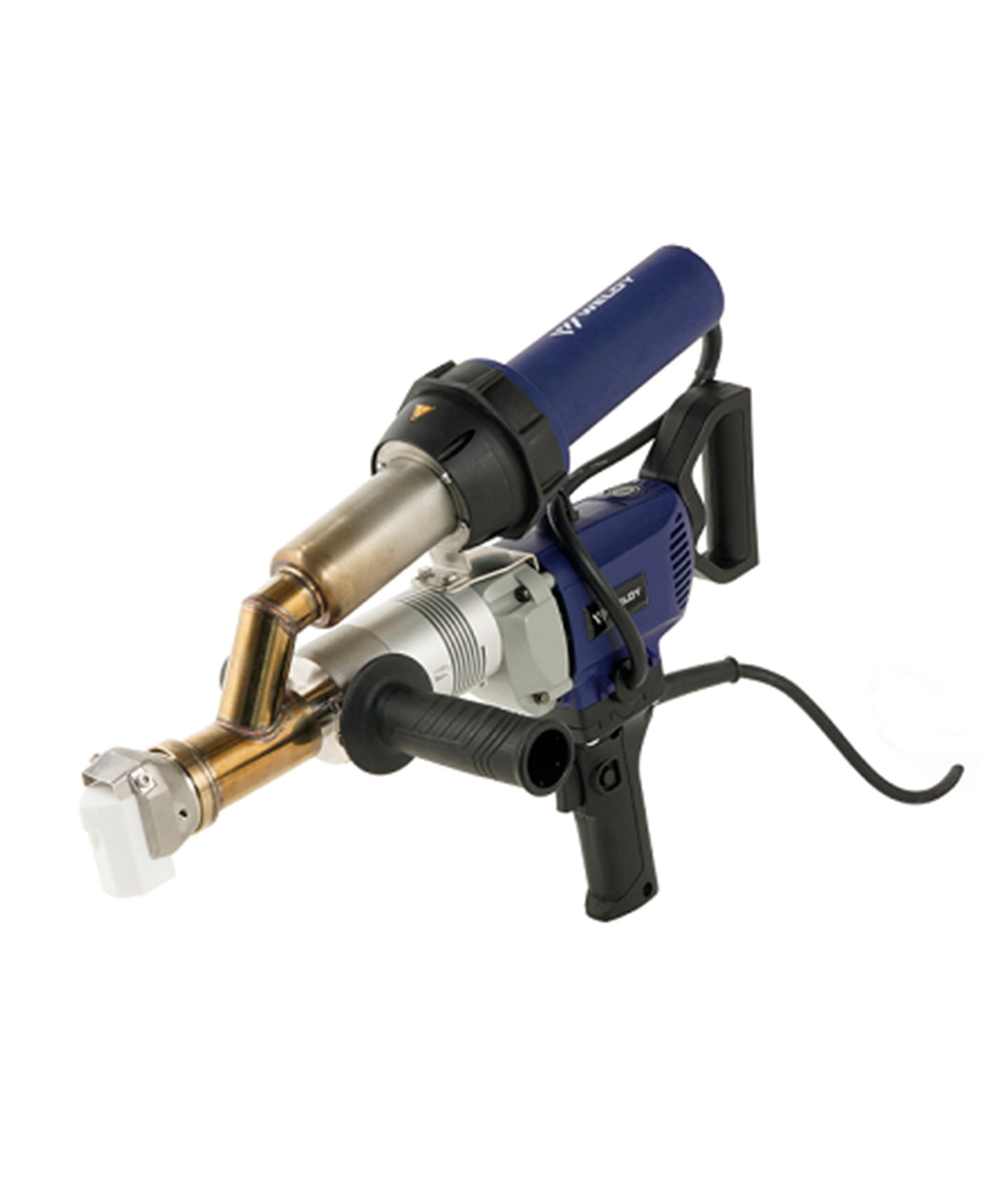
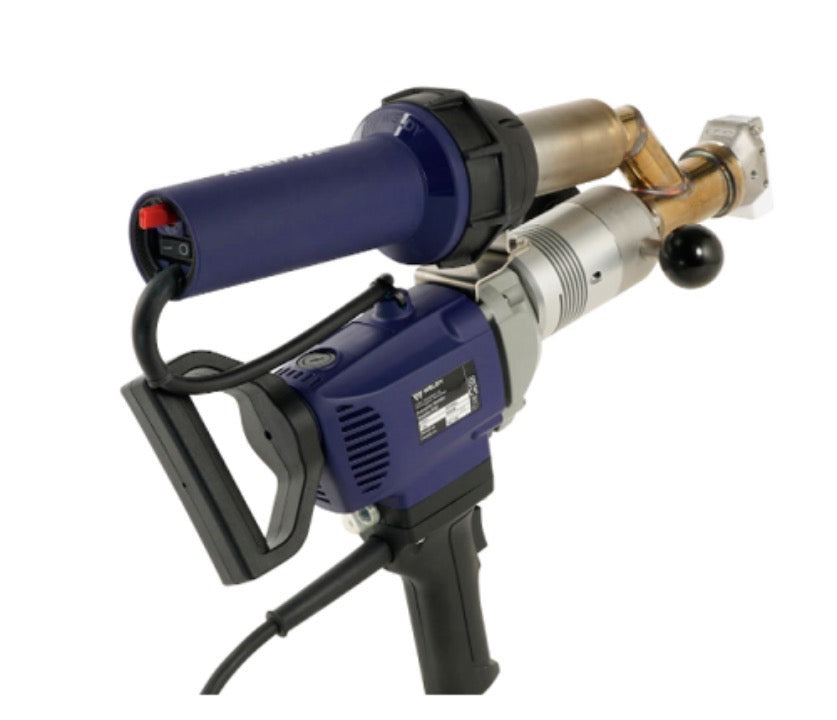
The machines, wedges and lining equipment we supply are collected in our geomembrane welder range. Tell us the membrane, the gauge and where the liner is being laid, and our technical team will point you to the machine and the working-end parts to match. For the site factors that sit alongside the material question, see What Jobsite Conditions Affect Geomembrane Wedge Welder Selection?, and for repairs and detail work a wedge welder does not cover, see Geomembrane Detail Welding with a Hand Extruder.




Leave a comment
This site is protected by hCaptcha and the hCaptcha Privacy Policy and Terms of Service apply.