
Quick answer
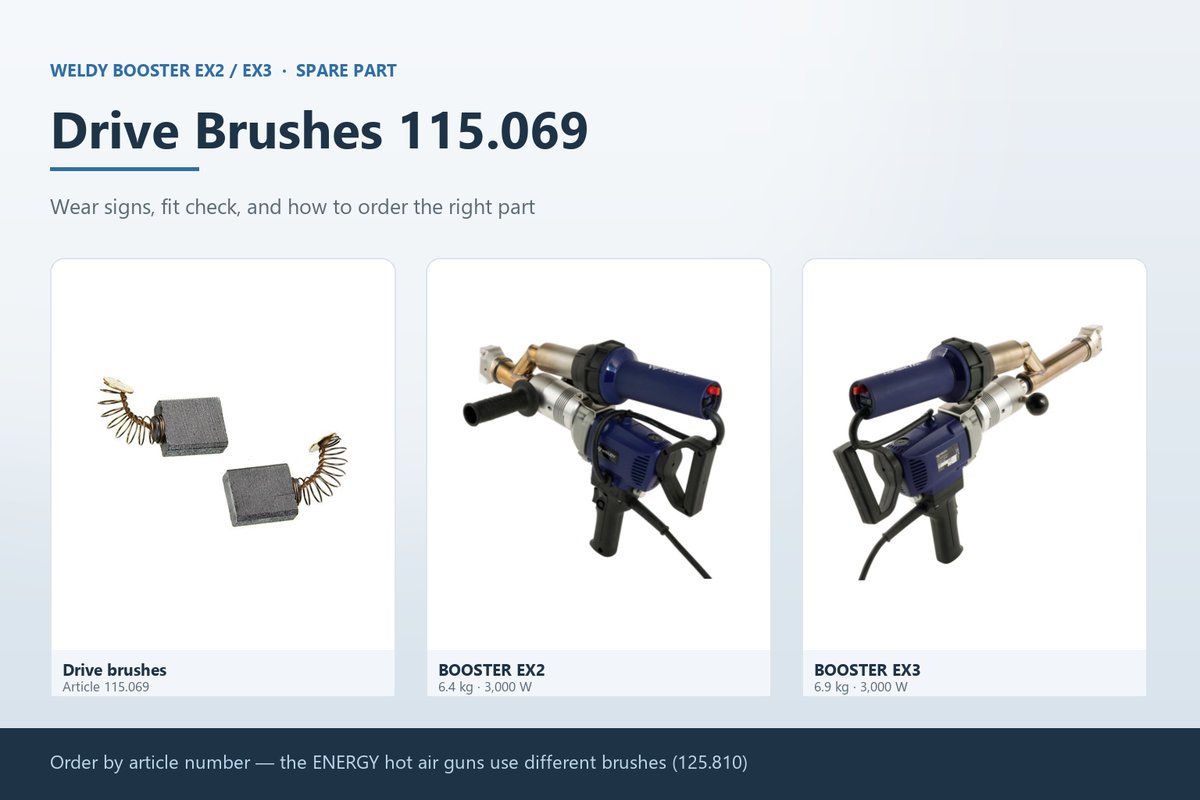
115.069 carbon brushes (drive motor brushes) are the drive brushes for the BOOSTER EX2 and BOOSTER EX3 hand extrusion welders. They sit in the drive motor that feeds welding rod into the extruder, so they are a wear part: the brush material shortens with use, and a worn set can show up as rod feed that has become weak, uneven or intermittent.
They are not the same item as the carbon brushes used in the ENERGY hot air guns, which carry a different article number and are listed for a different tool. Order by article number and by machine model rather than by appearance.
The Weldy 115.069 drive brush is a small part with a large effect on an extrusion welder. When the rod feed starts to slip, surge or slow down, the material and the rod are the first things blamed, but the drive system that pushes rod through the extruder is another possible source. Knowing what these carbon brushes fit, which wear signs are worth acting on, and how they differ from the brushes used in the hot air guns avoids both a wrong order and a wasted repair.
This guide covers the two machines the drive brush fits, the symptoms that point to the drive side, and a short flowchart to work down before ordering.
Weldy 115.069: What These Drive Brushes Fit
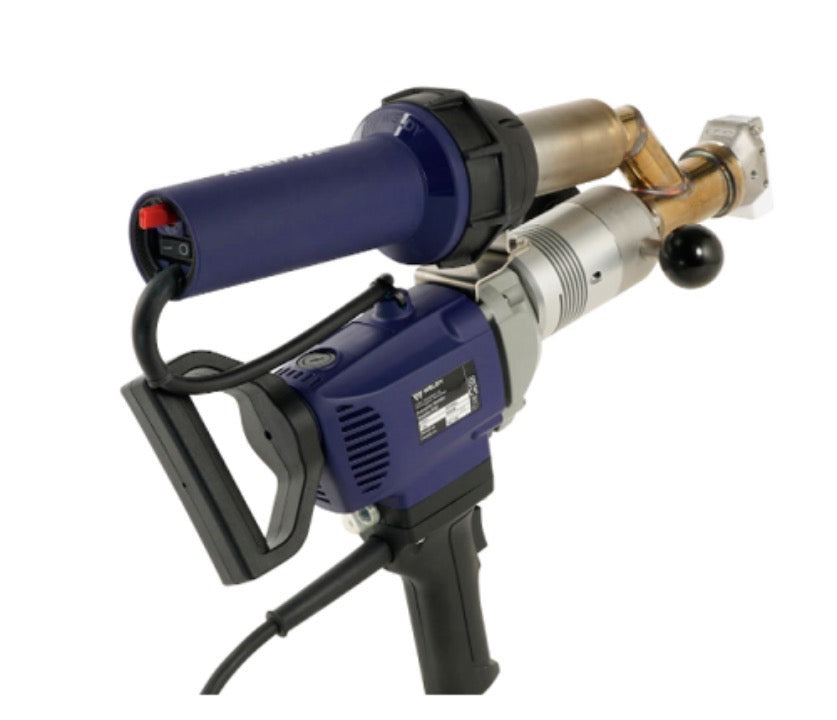
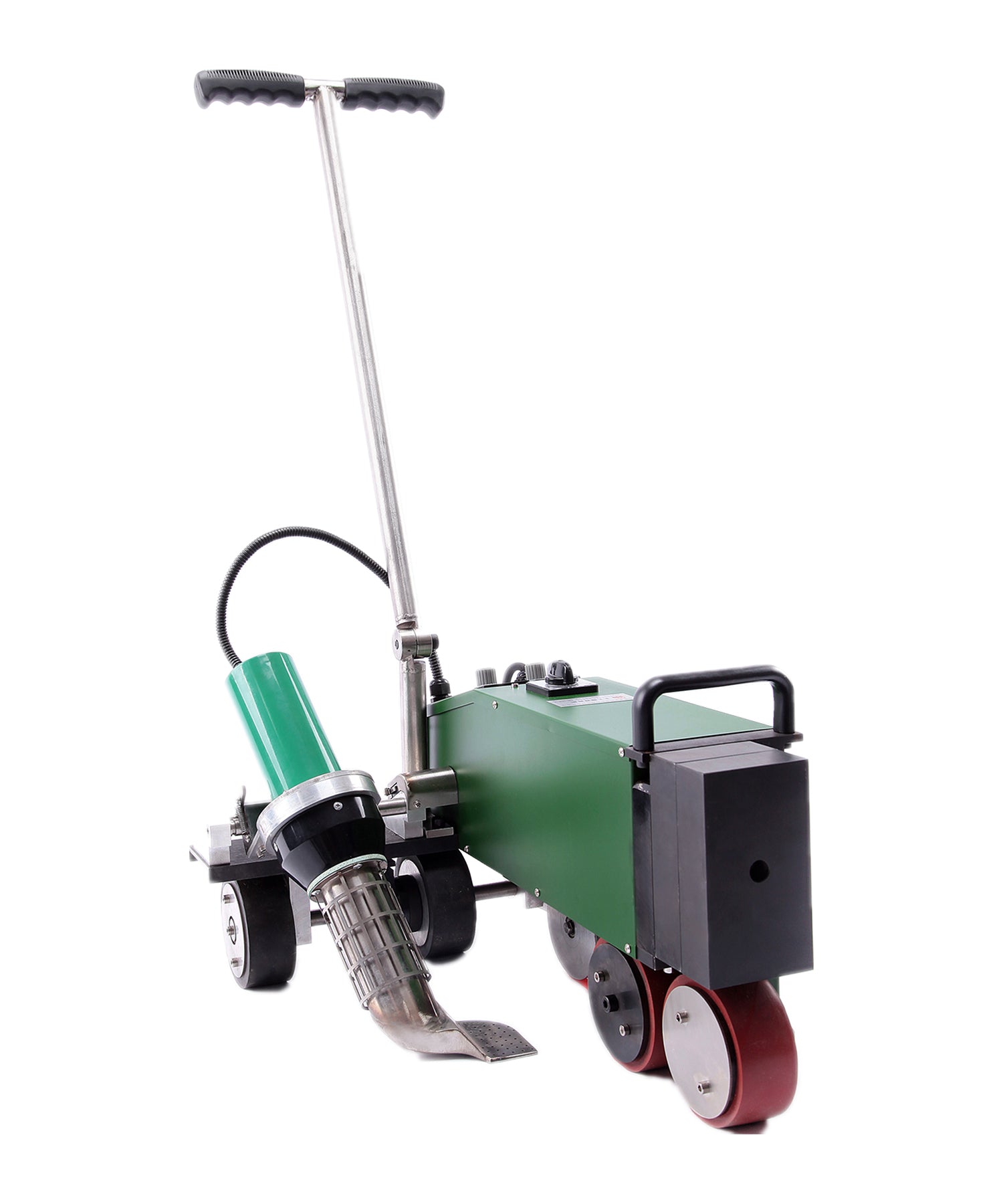
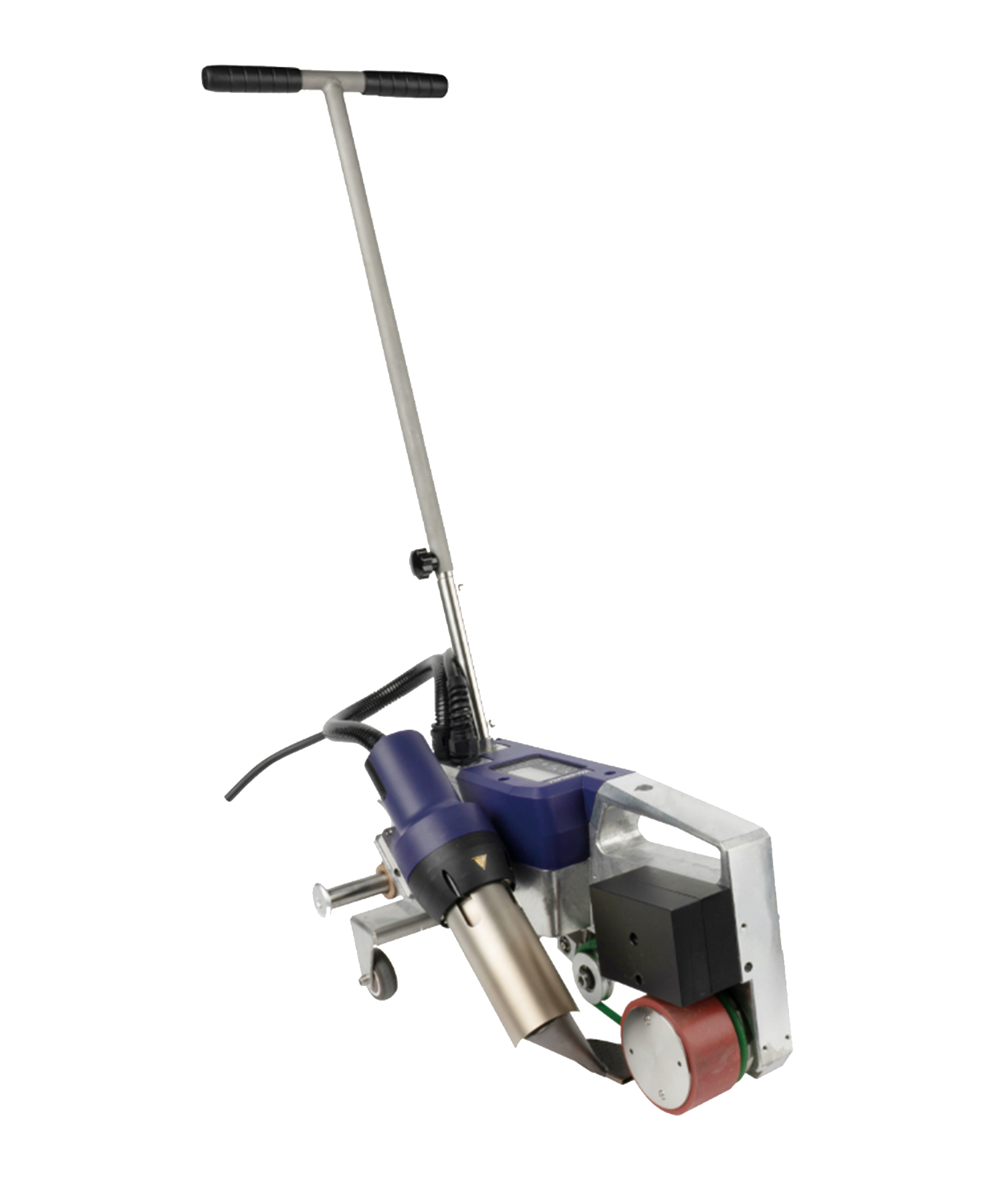
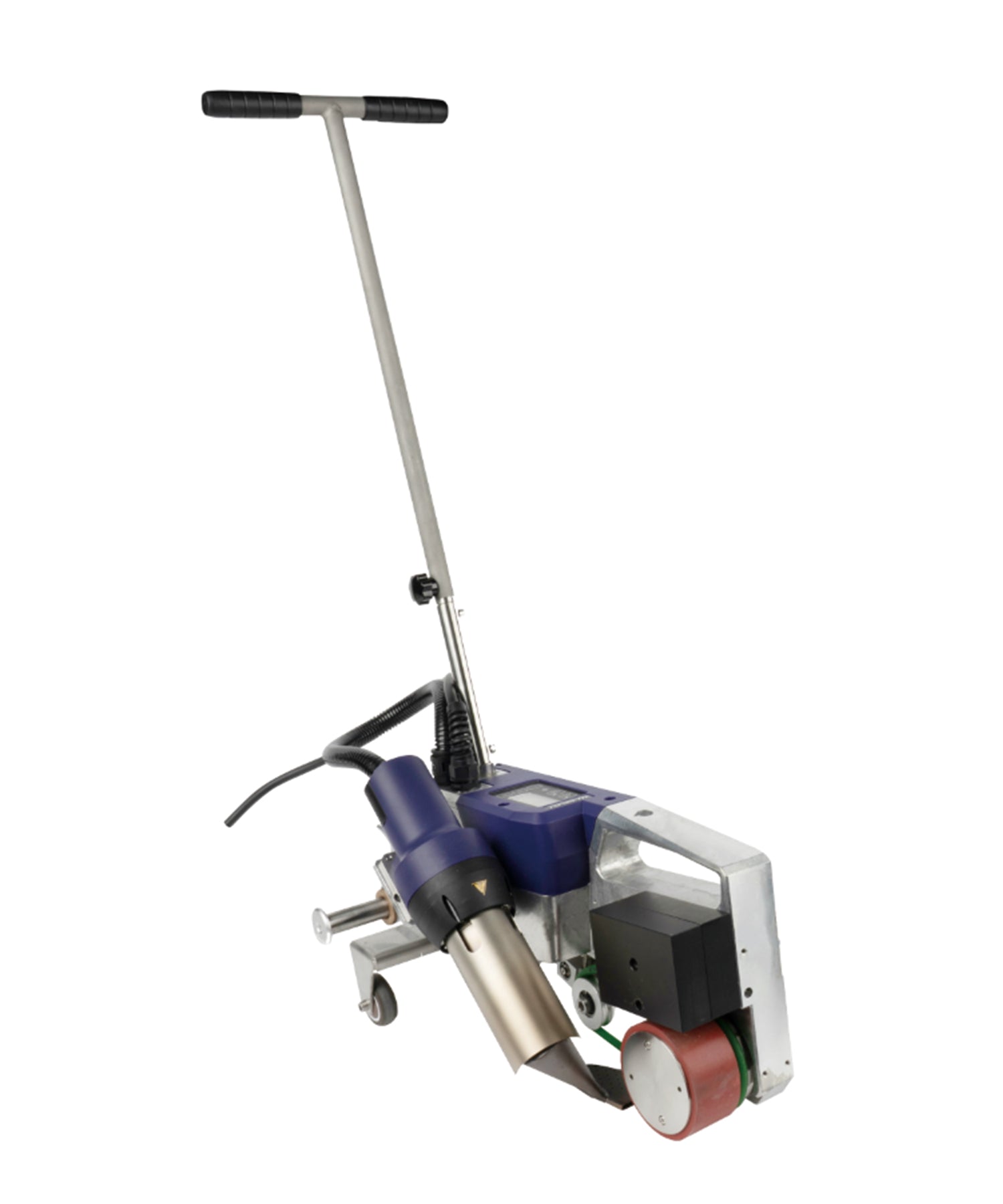
Article 115.069 is the drive brush for the Weldy BOOSTER EX2 and BOOSTER EX3 hand extrusion welders, and both machines use the same brush. The Weldy 115.069 drive brushes we supply are listed for those two extruders.
| Part | Fits | Not listed for |
|---|---|---|
| Drive brushes 115.069 | The drive motor of the Weldy BOOSTER EX2 and BOOSTER EX3 hand extrusion welders | The ENERGY hot air guns — those use a different carbon brush |
| Carbon brushes 125.810 | The blower motors of the Weldy ENERGY hot air guns | The BOOSTER EX2 and EX3 extruders |
The two brush types are listed as separate parts for separate tools, and they are not listed as interchangeable between those tool families. In a workshop that runs both hot air guns and extrusion welders, it is worth keeping the two sets separated in stores, because the parts look similar in a small bag and the article number is the only reliable way to tell them apart.
Worn Drive Brushes on a Booster EX2/EX3: What You Notice First
Brushes are a consumable and they rarely fail all at once. The symptoms build up over a period of use, and early on they are easy to attribute to the material, to the rod, or to the operator. The table below lists what tends to be reported, in the order we hear it.
| Symptom | What it can indicate | Where to look first |
|---|---|---|
| Rod feed has become weak or slow at settings that used to work | The drive is no longer turning the screw as effectively as it did | Drive brushes, then the feeding screw |
| Feed surges, then stalls, then picks up again | Intermittent contact inside the drive motor | Drive brushes |
| The motor sounds rougher, or carbon dust builds up around the housing | Brush wear, and the carbon dust a worn brush produces | Drive brushes |
| The extruder runs and heats, but produces little or no output | The drive side rather than the heating side | Drive brushes, the drill unit, then the feeding screw |
| Output is low only on some days, and the tool runs better when it is warm | Can point to the drive, but also to the rod, the material or the settings | Full check of the drive, rod and operating conditions |
Brush wear is one possible cause among several. A contaminated or worn feeding screw, a tired drill unit, the rod in use and the settings on the machine can all produce a similar change in output, so treat this list as an order of checks rather than as a diagnosis. Where the fault is on the heating side instead — the extruder runs but the melt is cold or uneven — the part to check is the heating element for your machine.
Weldy 115.069 vs 125.810 Carbon Brushes: What Is the Difference?
The two article numbers are the reason this page exists. 115.069 is the drive brush for the BOOSTER EX2 and EX3 extrusion welders. 125.810 is the carbon brush for the blower motors in the ENERGY hot air guns. Both are carbon brushes, both are wear parts, and both are small items that arrive in a plain bag — which is exactly why the numbers get swapped.


The 115.069 drive brushes for the extrusion welders (left) and the 125.810 blower brushes for the ENERGY hot air guns (right). Similar parts, different tool, different article number.
- 115.069 → drive brush → extrusion welder → the symptom is a change in rod feed.
- 125.810 → blower brush → hot air gun → the symptom is a change in airflow.
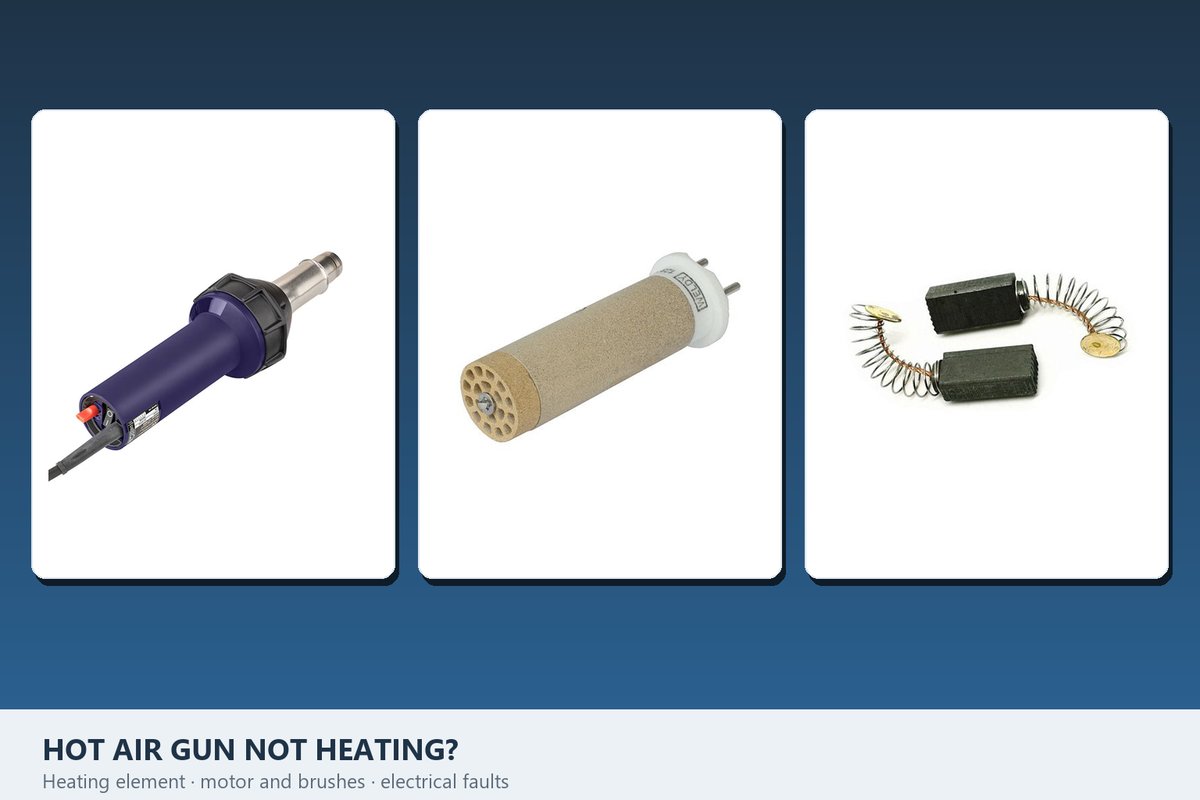
The symptom is the quickest way to remember which is which. A hot air gun that has lost airflow, where the blower sounds tired or intermittent, is pointing at its own blower brushes — the fault pattern covered in our guide to hot air gun not heating and weak airflow faults. An extrusion welder whose feed has become unreliable is pointing at the drive side, and the drive brushes are the first replaceable part in that chain. Ordering the brush that belongs to the other tool family will not fix either fault.
Is It the Brushes, the Screw or the Drill? Work Down This Chart
Three questions separate the heating side from the drive side, and the drive side from a worn feed component. Answer them before you order anything.
Before you inspect anything, disconnect the tool from the supply and let it cool. Opening a tool can also affect a warranty claim, so contact us before you dismantle anything that is still under warranty.
How the Drive Motor, Brushes and Feed System Work Together
The drive motor and its brushes
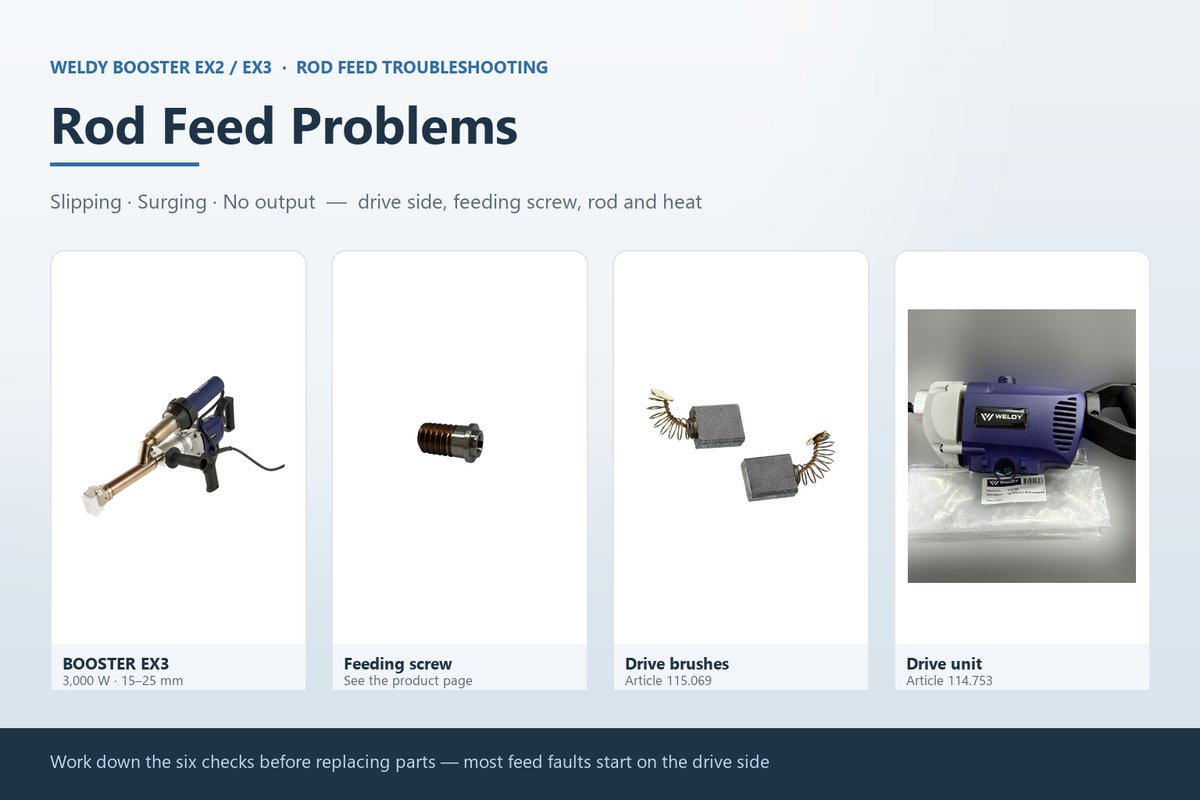
The drive motor turns the feeding screw, and it takes its current through carbon brushes that run against the rotating part. Because the brushes are in constant contact, they are a wear item: the brush material shortens over its service life, contact quality changes, and a motor with worn brushes can lose speed, run unevenly or become intermittent. The effect on a welding job is indirect but clear — the screw turns less reliably, so rod arrives at the melt zone at an uneven rate.
The feeding screw and the drill unit

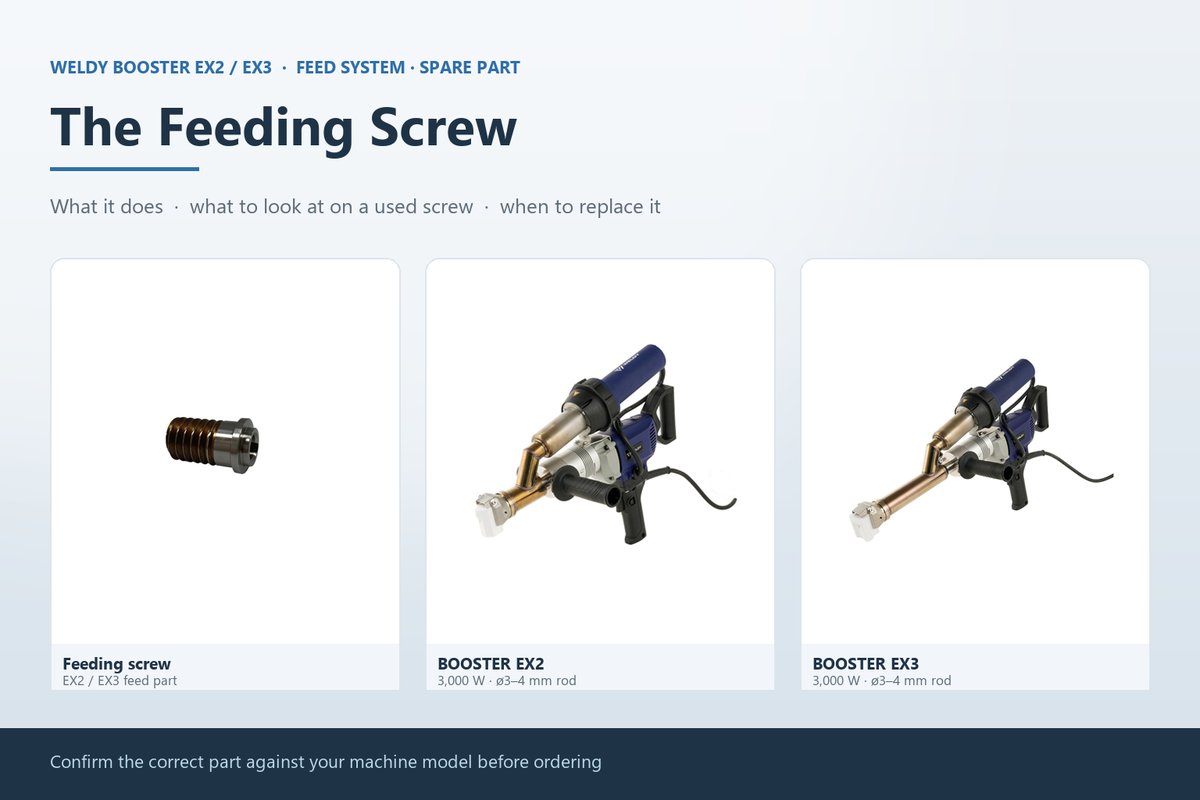
The screw is what actually moves the rod, and it is driven by the drill unit. Both are separate parts from the brushes. A screw that has picked up contamination or wear, and a drill unit that has lost drive, can each imitate the symptoms of worn brushes, which is why the check order matters. Our guide to the electric drill 114.753 drive unit covers the feed drive in more detail.
The heating and air side
An extrusion welder also has a heating system that brings the rod to welding temperature, and on the BOOSTER EX2 and EX3 the store product information lists open-loop air temperature control. A fault on that side produces a different symptom: the machine runs and feeds, but the melt is cold or inconsistent. It is worth separating the two sides of the tool before ordering, because the parts involved share nothing.
EX2/EX3 Drive Brushes and the Parts Around Them
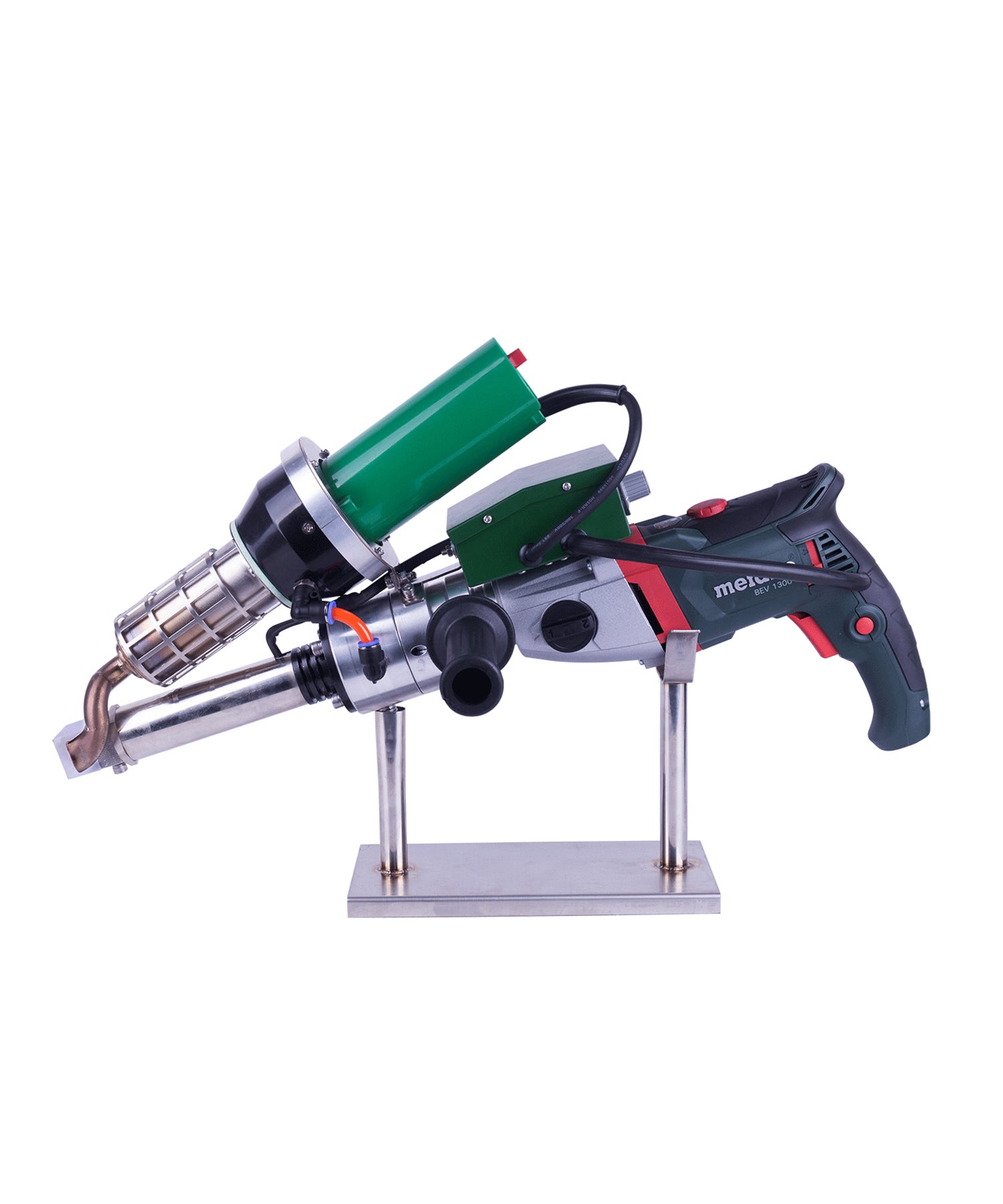
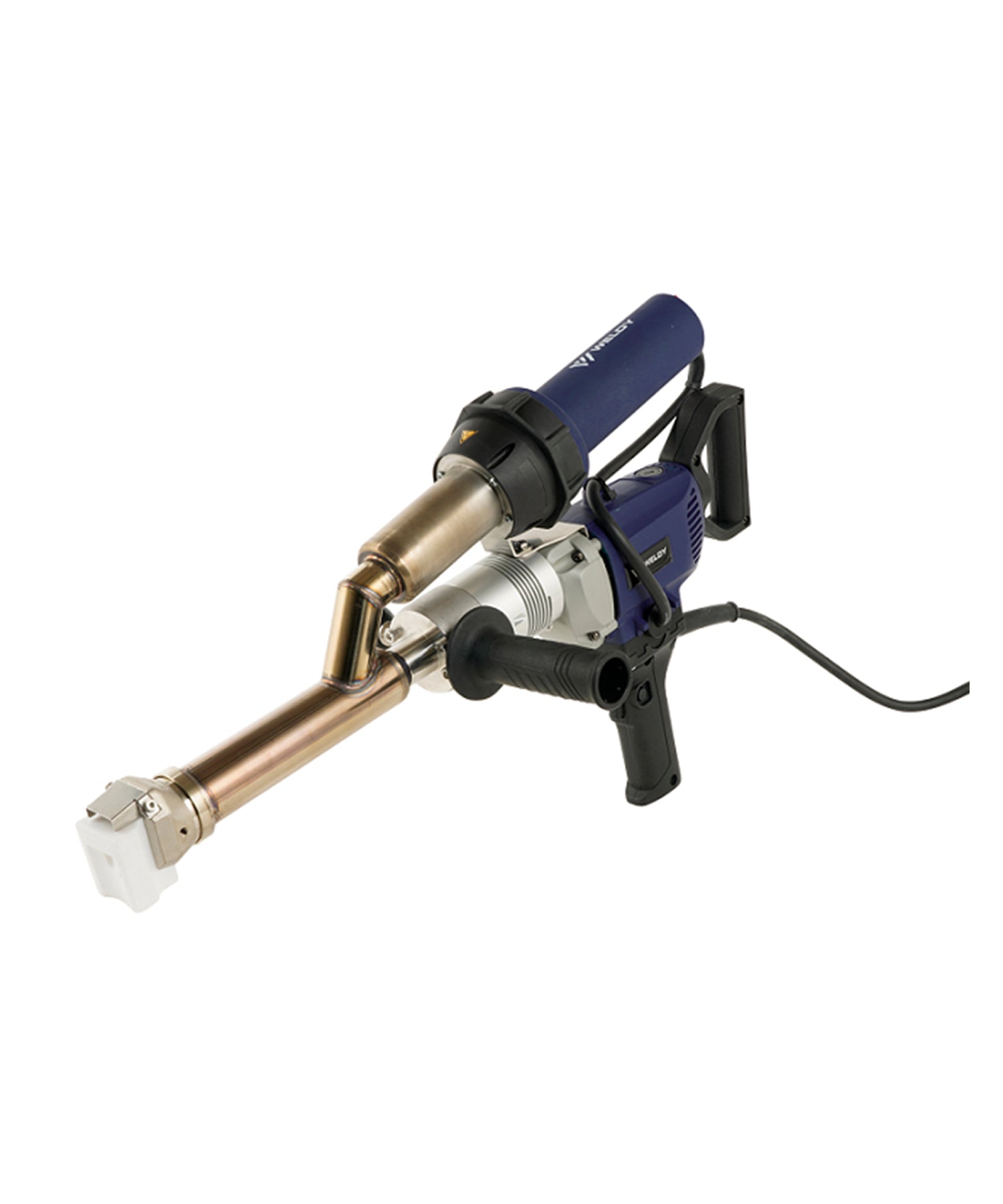
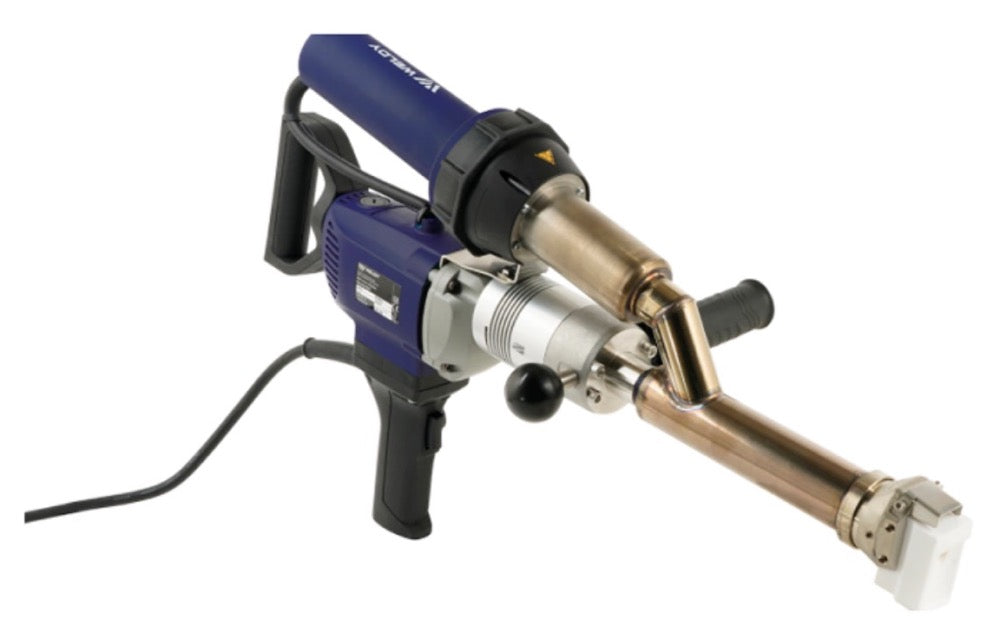
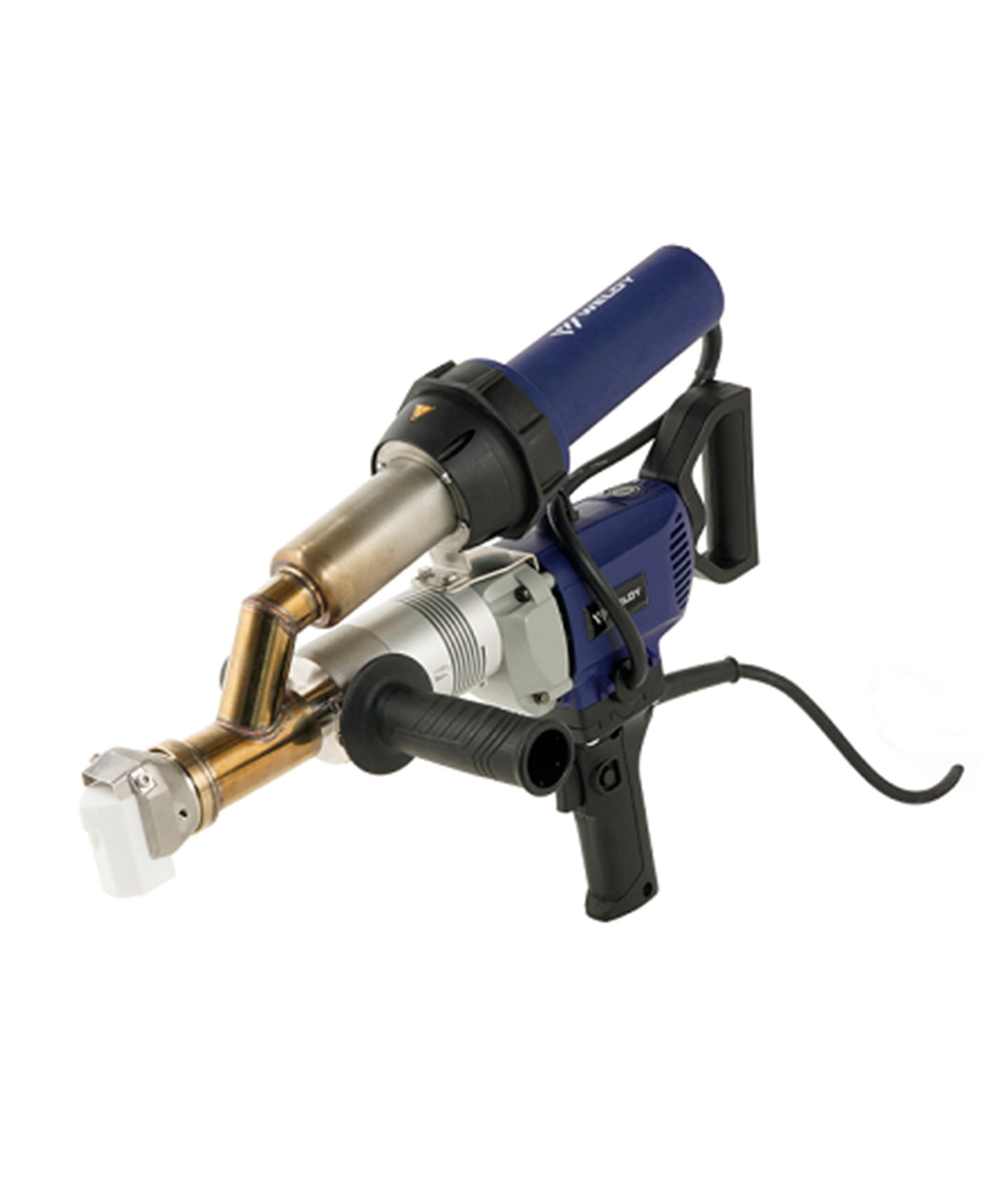
These are the drive-side parts we list for the BOOSTER EX2 and EX3. The machines themselves are listed in our extrusion welder range; for any other part — handle, heating element or welding shoes — ask us and we will point you to the right item.
| Part | Fits | Article number | Where to order |
|---|---|---|---|
| Drive brushes | BOOSTER EX2, BOOSTER EX3 | 115.069 | Drive brushes for Booster 115.069 |
| Electric drill (drive unit) | BOOSTER EX2, BOOSTER EX3 | 114.753 | Electric drill for EX2 EX3 |
| Feeding screw | BOOSTER EX2, BOOSTER EX3 | See the product page | Feeding screw |
| Blower carbon brushes | ENERGY hot air guns — not the extruders | 125.810 | Brushes for Weldy ENERGY 125.810 |
Fitting Drive Brushes: Safety and Service Notes
- Disconnect and cool first. Isolate the machine from the supply and let it cool before you open anything. Do not test a tool while it is connected to power.
- Do not mix the two brush types. Keep the extruder brushes and the hot air gun brushes in labelled packaging, and fit the part against the article number for the tool in front of you.
- Check the partners while you are in there. If the brushes are worn, look at the screw and the drill unit at the same time — a second worn part is a common reason a repair does not restore output.
- If the machine is still under warranty, contact us first. Opening a tool can affect a warranty claim.
- If output does not recover, stop and ask. Send us the model, what the machine is doing and what you have already checked, and we will help identify the next part before you order.
Which Machine Is Yours: BOOSTER EX2 or BOOSTER EX3?
The drive brush is the same part on both machines, but the parts around it are not, so confirm the model on the rating plate before you order anything beyond the brushes. If you are choosing between the two extruders rather than repairing one, our BOOSTER EX2 vs EX3 comparison covers that decision in full.
Order Genuine Weldy 115.069 Drive Brushes
The extruders and the spares in this guide are in our extrusion welder collection, including the BOOSTER EX2 and the BOOSTER EX3. As a Weldy distributor we supply genuine Weldy spare parts, and we can match a part to a symptom before you order it.
If you are not sure whether the fault is the drive brushes, the screw or something else, send us the model, the article number you are looking at and what the machine is doing. Confirming the right part before the order is placed is quicker than after it arrives. These guides are written by the Weissenberg technical team.
Order Weldy 115.069 drive brushes at Weissenberg Store






Leave a comment
This site is protected by hCaptcha and the hCaptcha Privacy Policy and Terms of Service apply.