
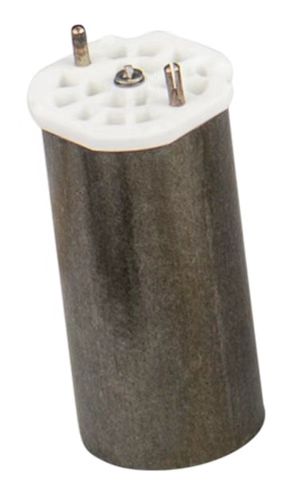
Which heating element does your Weldy machine take? This guide answers that question with the exact part numbers, so you stop guessing between generations. The element is the heart of every hot-air welder: a ceramic coil that turns the supply voltage into a precise stream of hot air. When it weakens, weld quality drops long before the machine stops working — seams run cold, temperatures drift, peel tests start failing. Below: the genuine elements we stock, how to identify the one your gun needs, and how to diagnose a weak element before you buy.

How a Weldy Heating Element Works
Inside the gun, a resistance coil wound on a ceramic former heats the air stream blown through the barrel; the control electronics modulate the coil to hold the set temperature.
The Five Genuine Elements We Stock
Each element is matched to one machine generation. Check the type plate and the element connector on your gun before ordering:
| Element | SKU | Fits | Note |
|---|---|---|---|
| Heating element for ENERGY HT1600, 230 V | 123.805 | Weldy Energy HT1600 | Standard Energy HT1600 |
| Heating element for HT1600D, digital control, 230 V | 158.802 | Weldy HT1600D | Digital LCD version — not interchangeable with 123.805 |
| Heating element for HT3400, 230 V | 124.322 | Weldy HT3400 | 3300 W heavy-duty gun |
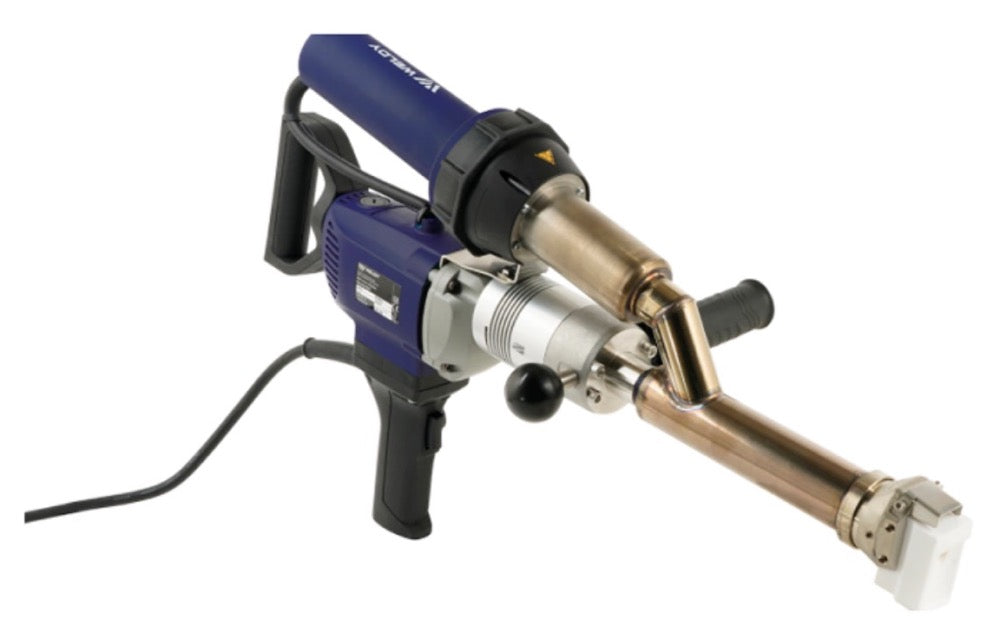
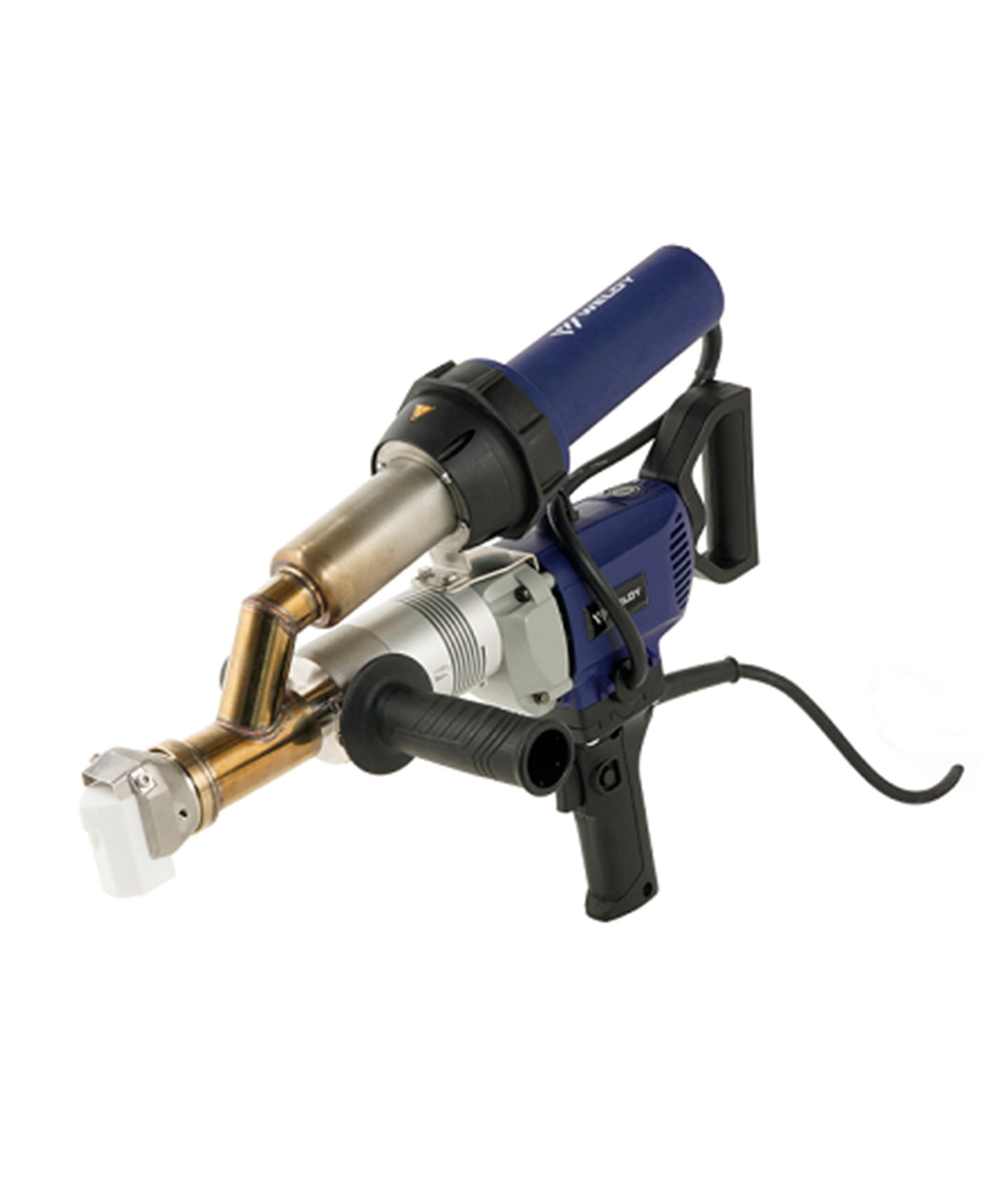
| Heating element for EX2/EX3, 2-pin | 116.900 | Weldy Booster EX2 / EX3 (2-pin) | 2-pin connector type |
| Heating element for EX2/EX3, 3-pin | 170.652 | Weldy Booster EX2 / EX3 (3-pin) | 3-pin connector type |
All are original Weldy parts carrying the factory part number. The EX2/EX3 extrusion welders use two different elements: a 2-pin type (116.900) and a 3-pin type (170.652). They are not interchangeable — check the part number printed on the element you are removing before ordering.

How to Choose the Right Element — Match These Four Things
1. Machine model. The element is mechanically sized for the gun’s barrel; the wrong model will not seat or cool properly.
2. Tool version. The standard Energy HT1600 and Energy HT1600D use different Weldy replacement part numbers. Match the exact tool version and voltage before ordering; do not assume the elements are interchangeable.
3. Connector type & voltage. For EX2/EX3, match the pin count (2-pin / 3-pin) exactly — the most common ordering mistake. Confirm the voltage printed on the old element rather than assuming from the machine model.
4. Genuine vs. aftermarket. Aftermarket elements may differ in electrical rating, connector type, insulation or physical fit. Matching the correct Weldy part number helps avoid compatibility problems.
Diagnose Before You Replace — Don’t Swap on One Symptom
A cold seam or drifting temperature is a clue, not a verdict. Work through the diagnosis in order:
- Step 1 — Power and supply. Is the gun getting full voltage? Check cable, plug and socket; a loose supply causes the same symptoms as a failing element.
- Step 2 — Air path. Is the intake or nozzle blocked? Restricted airflow mimics a tired element.
- Step 3 — The element itself. Only now inspect: cracked or flaking ceramic, a blackened or broken coil, or an open circuit measured with a multimeter.
If Steps 1 and 2 are clean and the element shows physical damage or an open circuit, replace it. If symptoms are only intermittent and the element looks intact, check the control board and wiring first.
Signs to Look For When You Inspect
- Heat-up noticeably slower than when new, after confirming full supply voltage
- Temperature drift at setpoint, or intermittent shutdowns
- Visible discolouration, cracking or flaking of the ceramic former, or a burnt smell during operation
- Weld seams running cold despite correct settings and a clean air path
Keeping the Element You Have in Good Shape
Replacement involves live electrical parts — have it done by a qualified electrician or a Weldy service point. To make each element last as long as its design allows:
- Keep the air intake and nozzle free of dust — blocked airflow overheats the coil
- Avoid long idle periods at maximum temperature; follow the manufacturer cool-down procedure between welds
- Let the gun cool before cleaning, and use the brass wire brush (SKU 130.612) on the nozzle, not the element
- Use the right nozzle for the job so heat is actually delivered to the workpiece
FAQ
Can I use an HT1600 element in an HT1600D gun? No. The Energy HT1600 and HT1600D use different Weldy replacement part numbers: 123.805 for the HT1600 and 158.802 for the HT1600D.
2-pin or 3-pin for my EX2/EX3? Match the part number on the element you are removing — 116.900 is the 2-pin type, 170.652 is the 3-pin type. When in doubt, send a photo and we will confirm.
How do I verify a part is genuine? Every element we sell carries its Weldy part number on the packaging and on the part itself.
Find Your Element by SKU
Order the exact genuine part for your machine:
- ENERGY HT1600 element (123.805)
- HT1600D digital element (158.802)
- HT3400 element (124.322)
- EX2/EX3 3-pin element (170.652)
The EX2/EX3 2-pin element (116.900) is available on request — contact us through the Weissenberg Store live chat to confirm stock for your pin type. Not sure which SKU your machine takes? Send a photo of the type plate and element connector via live chat and our technical team will confirm compatibility before you order.
Author: Weissenberg Technical Team — 20+ years in plastic welding equipment. Weissenberg is an official Weldy distributor and a China-based manufacturer of professional plastic welding machines since 2006.





Leave a comment
This site is protected by hCaptcha and the hCaptcha Privacy Policy and Terms of Service apply.