
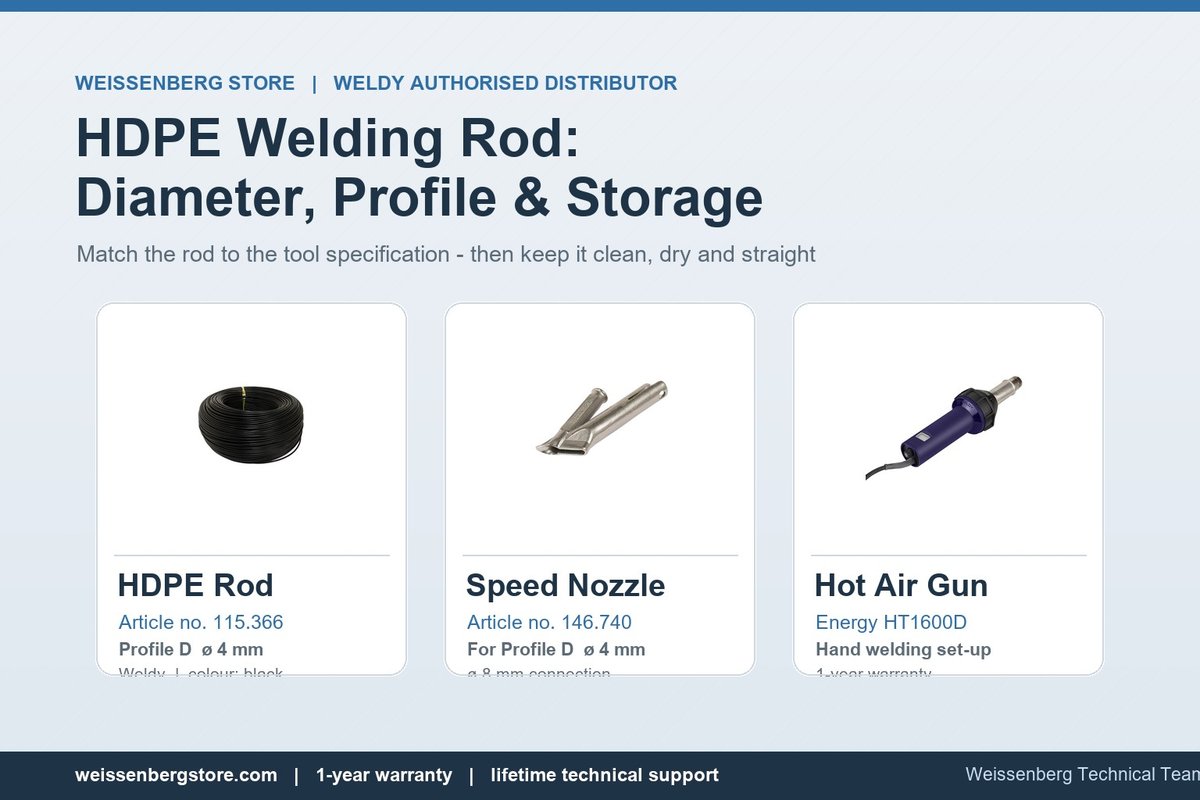
An HDPE welding rod is the filler that turns a heated joint into a finished weld. Three basic checks come first when selecting a welding rod: its polymer, profile and diameter. Here is how to match the rod we stock to your tool — and how to keep it fit to use.
What an HDPE Welding Rod Does
Hot air welding joins two plastic parts by heating both surfaces until they are properly plasticized and pressing them together. Many joints need filler to close up: butt and fillet joints, repairs, and seams where the parts do not close on their own. The rod is that filler. Fed into the heated joint, it softens, merges with the parent material and becomes part of the seam once it cools.
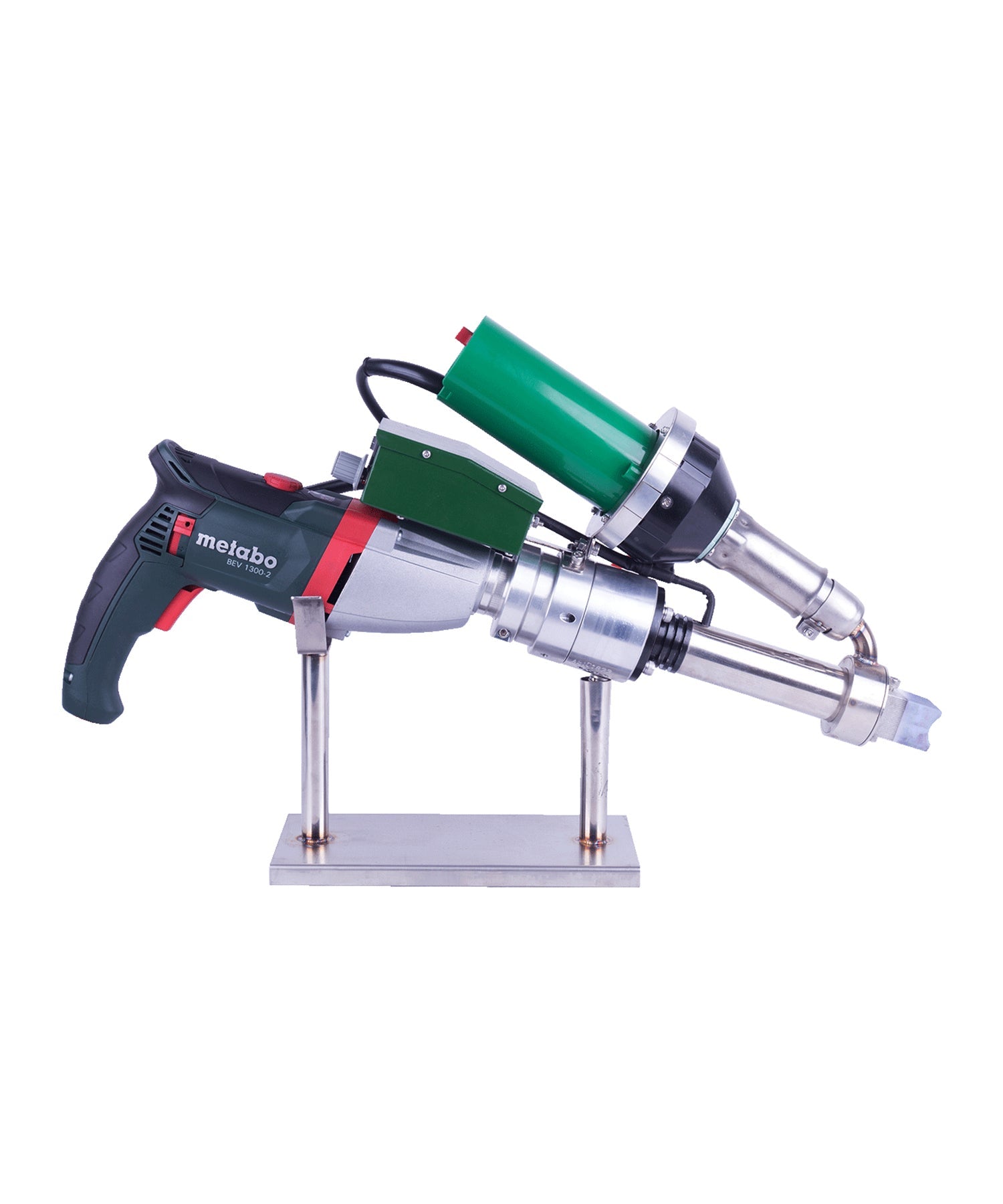
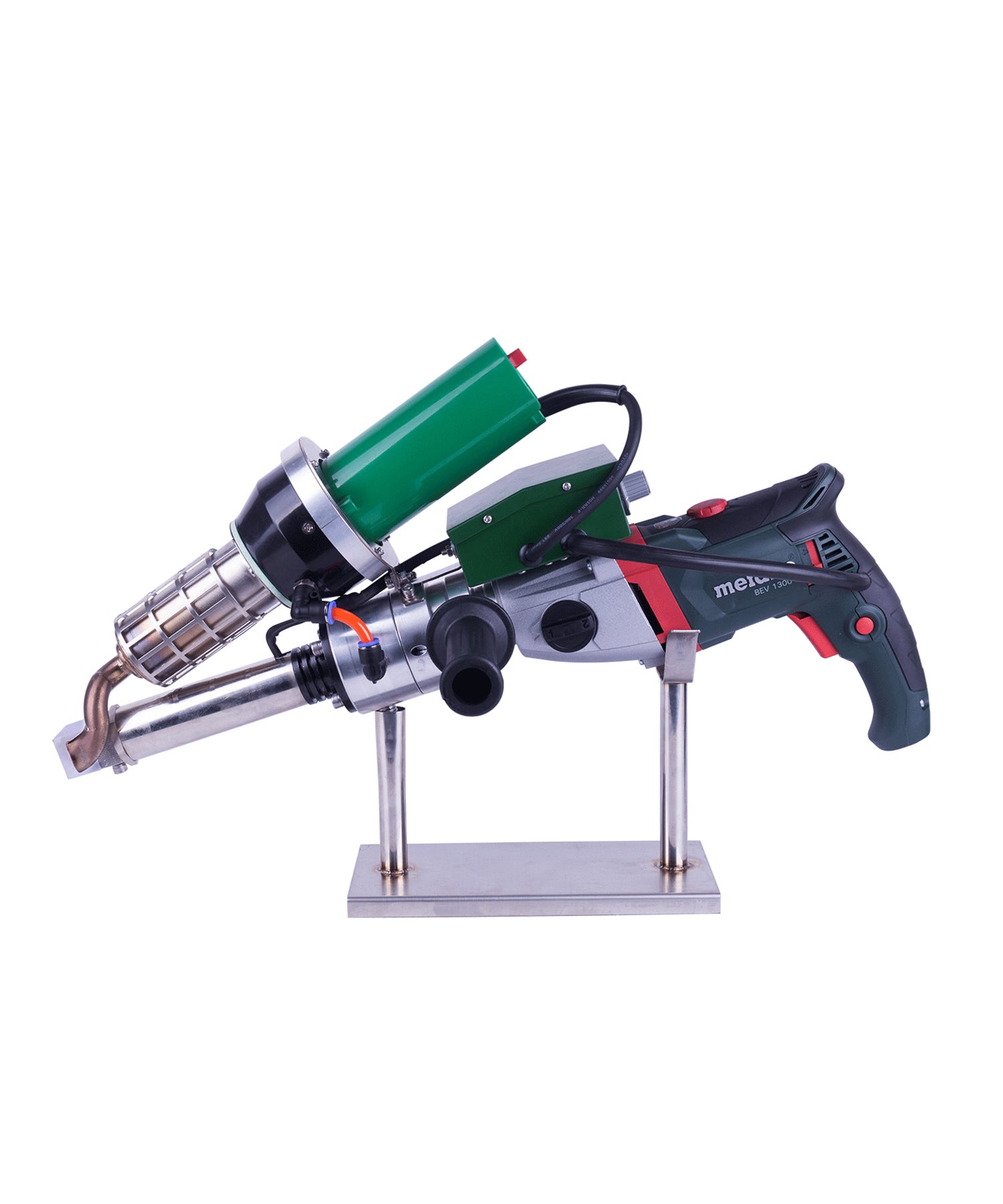
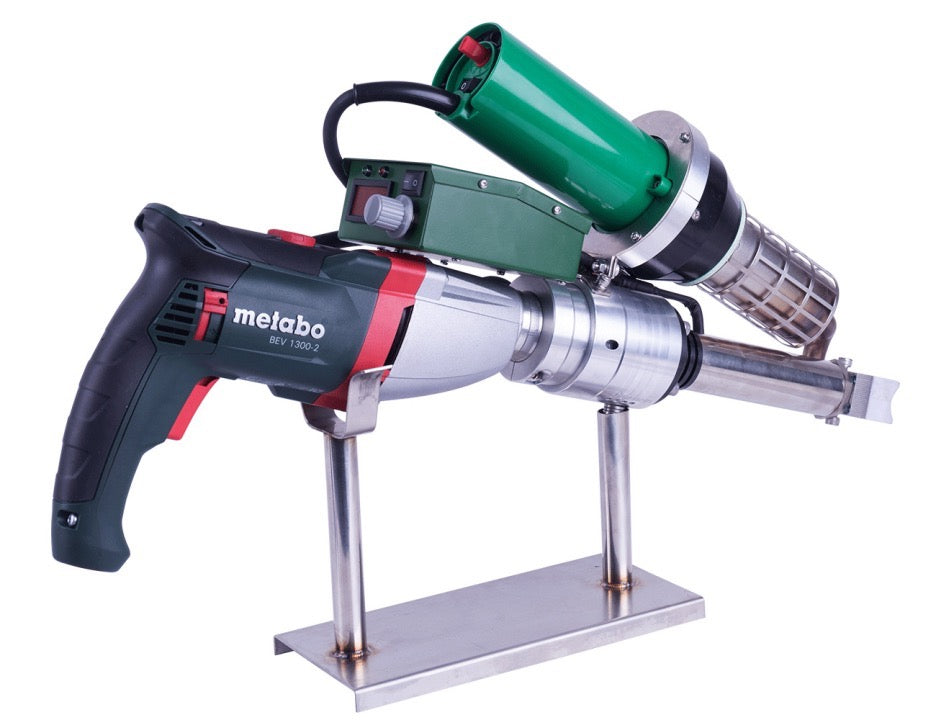
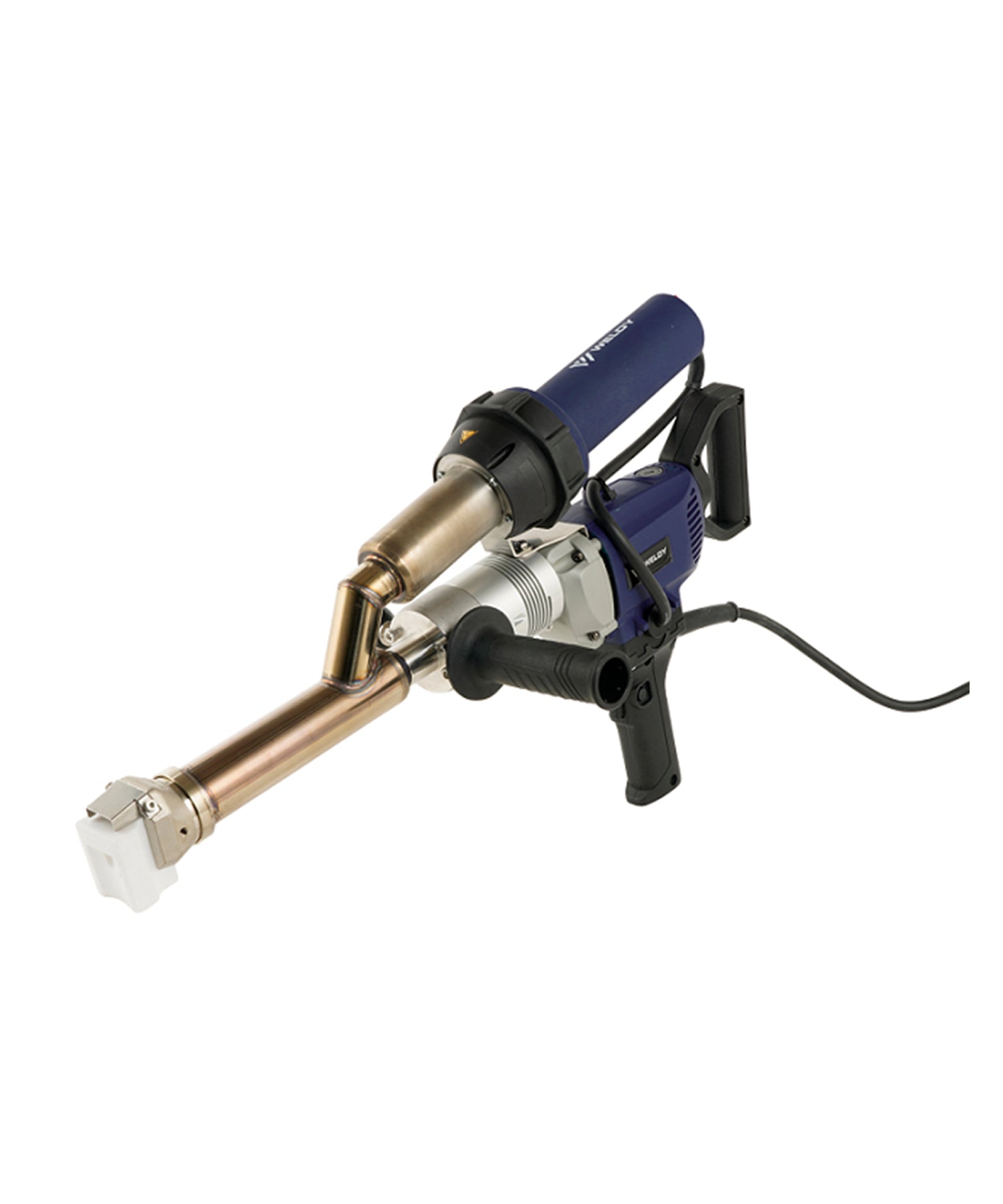
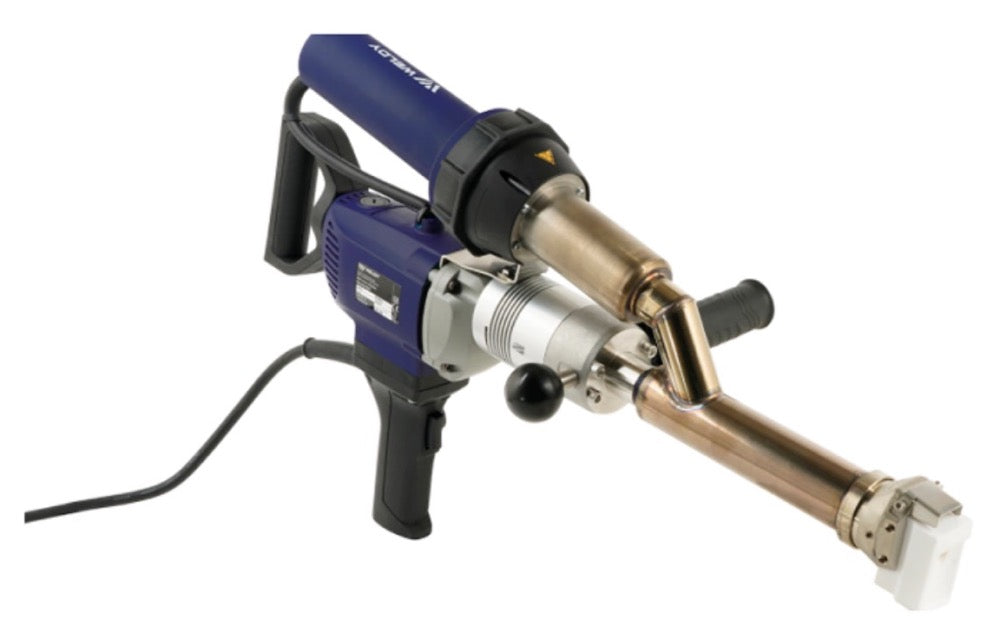
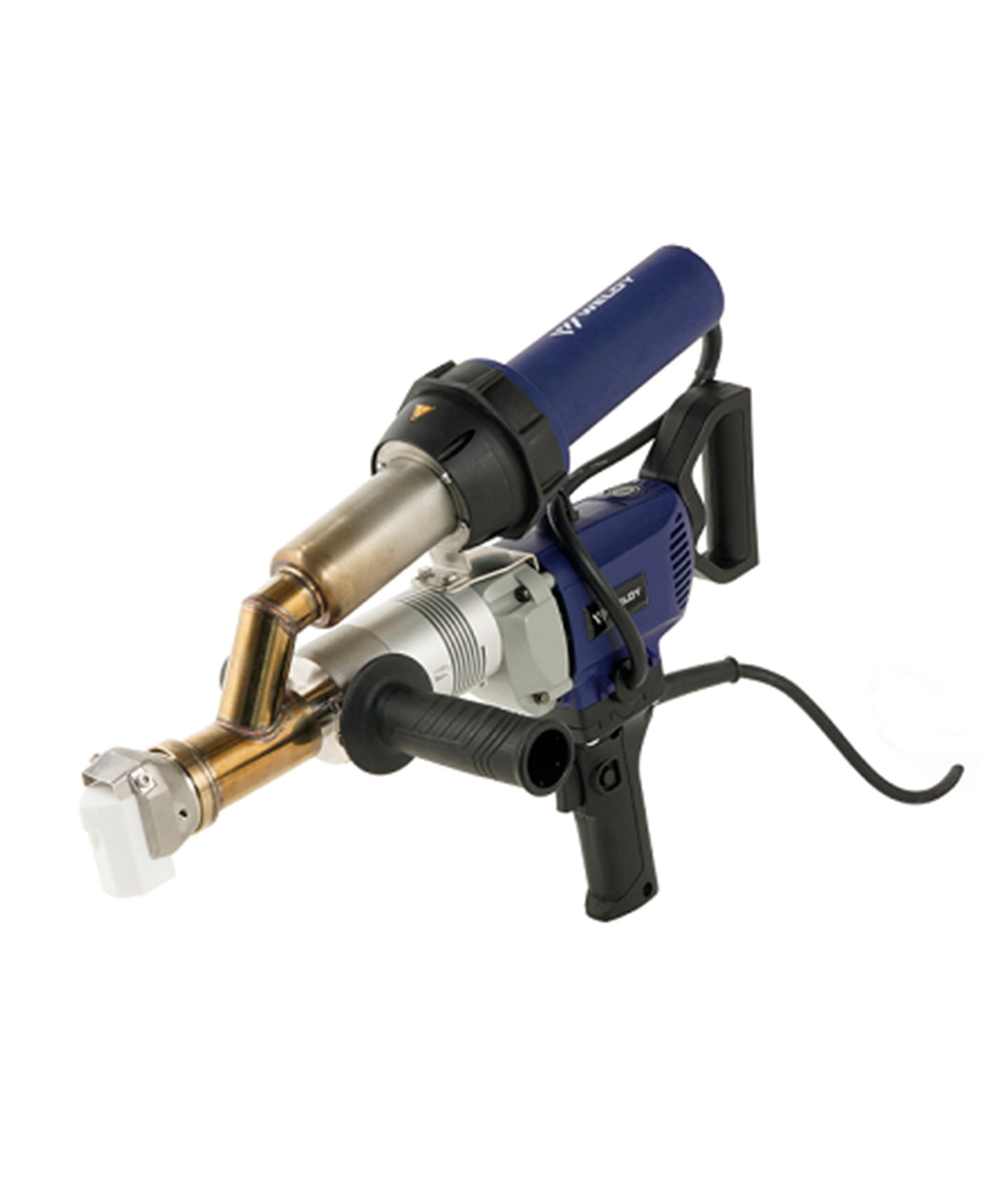
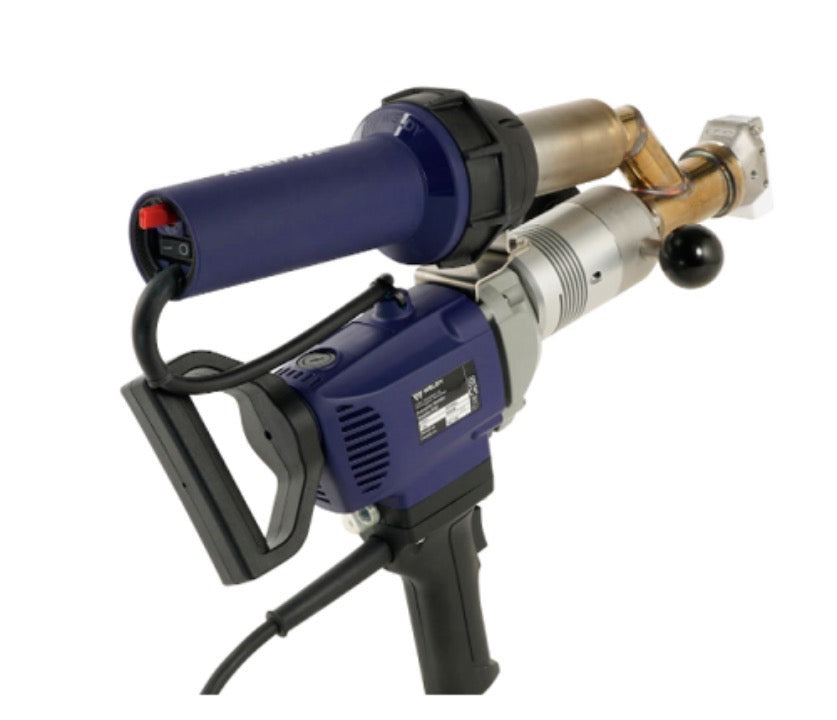
With a speed welding nozzle on a hot air gun, the rod travels down a channel in the nozzle so rod and joint are heated together. In a fabrication shop, the same rod can be fed into a hand extrusion welder, which plasticizes it inside the tool.
The HDPE Rod We Stock: Weldy, Profile D, 4 mm, Black
| Specification | Value |
|---|---|
| Item name | Welding rod HDPE |
| Brand | Weldy |
| Rod material | HDPE |
| Rod profile | Profile D, ø 4 mm |
| Colour | Black |
| Article no. | 115.366 |

The Weldy HDPE welding rod, article no. 115.366, is a black HDPE rod in Profile D with a 4 mm diameter — the same profile and diameter pair called out in the nozzle specification below. It ships from Weissenberg Store, the Weldy authorised distributor, with a 1-year warranty and lifetime technical support.
Diameter and Profile: Match the Rod to the Tool Specification
Speed welding nozzles are specified by the rod they are made for. The Speed welding nozzle (ø 8.0) Profile D ø 4, article no. 146.740, lists “suitable welding rod: Profile D ø 4”. It uses an 8 mm connection and mounts onto a standard 5 mm nozzle — the Tubular nozzle (ø 31.5) ø 5 mm, article no. 147.250. The same nozzle is also offered in Profile D ø 5 as article no. 125.315.
Hand extrusion welders are specified by rod range in the same way: the Weldy BOOSTER EX2 and EX3 are rated for ø 3–4 mm welding rod, so the 4 mm HDPE rod falls inside the stated range. Where a rod and a nozzle do not agree on profile or diameter, the rod will not track the channel correctly and the bead suffers.
Material Compatibility: What an HDPE Rod Is For
The rod material has to be compatible with the parts being welded, as stated by the material manufacturer and the applicable welding procedure specification (WPS) — matching the polymer is the starting point, not the whole test. A black HDPE rod is intended for HDPE work: sheet and tank fabrication, pipe and fitting repairs, lining and containment. It is not a substitute for a PP, PVC or ABS rod; the filler has to be compatible with the base material, and it is the manufacturer’s data and the WPS that establish that, not the colour of the parts.
So confirm the base material from the drawing, the part marking or the supplier’s data sheet, check it against the manufacturer’s compatibility information and the WPS for the job, and confirm the colour if the project specifies one; black is the HDPE rod colour we stock. If your parts are not HDPE, tell us what you are welding and we will confirm the correct filler.
Storage and Handling: Keeping a Rod Fit to Use
Handling and storage are common sources of contamination and feeding problems, so keep the rod protected until use.
- Keep it in the original packaging until use, and re-seal the pack between jobs.
- Keep it clean and dry. Dust, oil, grease and workshop grit on the rod end up in the joint. Store rod off damp floors and away from oily machinery and cutting areas.
- Keep it out of direct sunlight and away from heat, and keep it straight — rod that has taken a set or been kinked is harder to feed through a nozzle or an extruder.
- Trim the end if the tip has picked up dirt or a burr, and set aside any piece that is visibly soiled.
Follow any storage or shelf-life instructions supplied with the welding rod, and inspect the rod for contamination, deformation or damage before use.
Possible Causes: Poor Feed or an Uneven Bead
Rod-related defects rarely come from the rod alone. Work through the possibilities before you change a setting.
| Observation | Possible causes | Where to check |
|---|---|---|
| Rod will not feed, or slips | Profile or diameter not matching the nozzle; kinked or dirty rod; worn nozzle channel | Rod profile against the nozzle specification; nozzle entry and channel |
| Bead sits on the surface instead of merging | Nozzle air temperature set too low or too high; gun travel speed; joint preparation | Trial weld; temperature setting and travel speed |
| Discoloration, bubbles or voids along the bead | Contamination on the rod, sheet or nozzle; excessive heat input; travel speed not suited to the material | Rod and sheet cleanliness; nozzle condition; temperature setting; travel speed |
| Uneven bead width | Feed rate and hand speed; rod held at the wrong angle | Feed technique and hand speed |
| Rod sticks inside the nozzle | Resin build-up in the channel; profile mismatch | Clean the channel; confirm the profile the nozzle is specified for |
| Weld does not bond, or separates under load | Material mismatch — rod not compatible with the parts being welded; heat input; seam not consolidated while the surfaces were still plasticized; uneven pressure | Rod material against the material manufacturer’s data and the applicable WPS; temperature and travel speed; pressing technique; trial weld |
Several of these produce the same symptom, so change one variable at a time and re-test on offcuts. Then evaluate a trial weld on the actual sheet and rod against the material manufacturer’s instructions, the applicable welding procedure specification (WPS) and the project’s acceptance criteria — those documents define what passes on your job.
Choosing Your HDPE Welding Rod and Nozzle

For HDPE hand welding with a hot air gun, order the HDPE welding rod, article no. 115.366, with the Profile D ø 4 speed welding nozzle, article no. 146.740, which is specified for that rod. If your work runs on 5 mm rod, the Profile D ø 5 nozzle, article no. 125.315 is the matching nozzle.

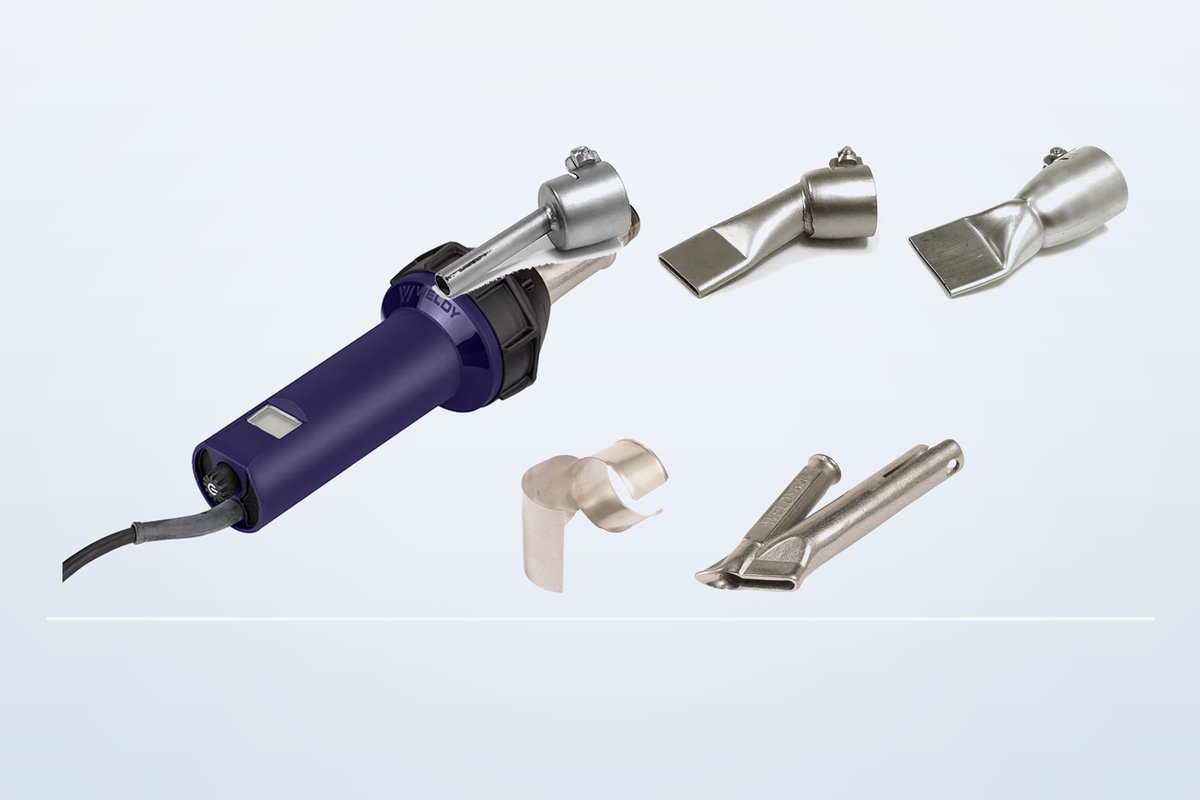
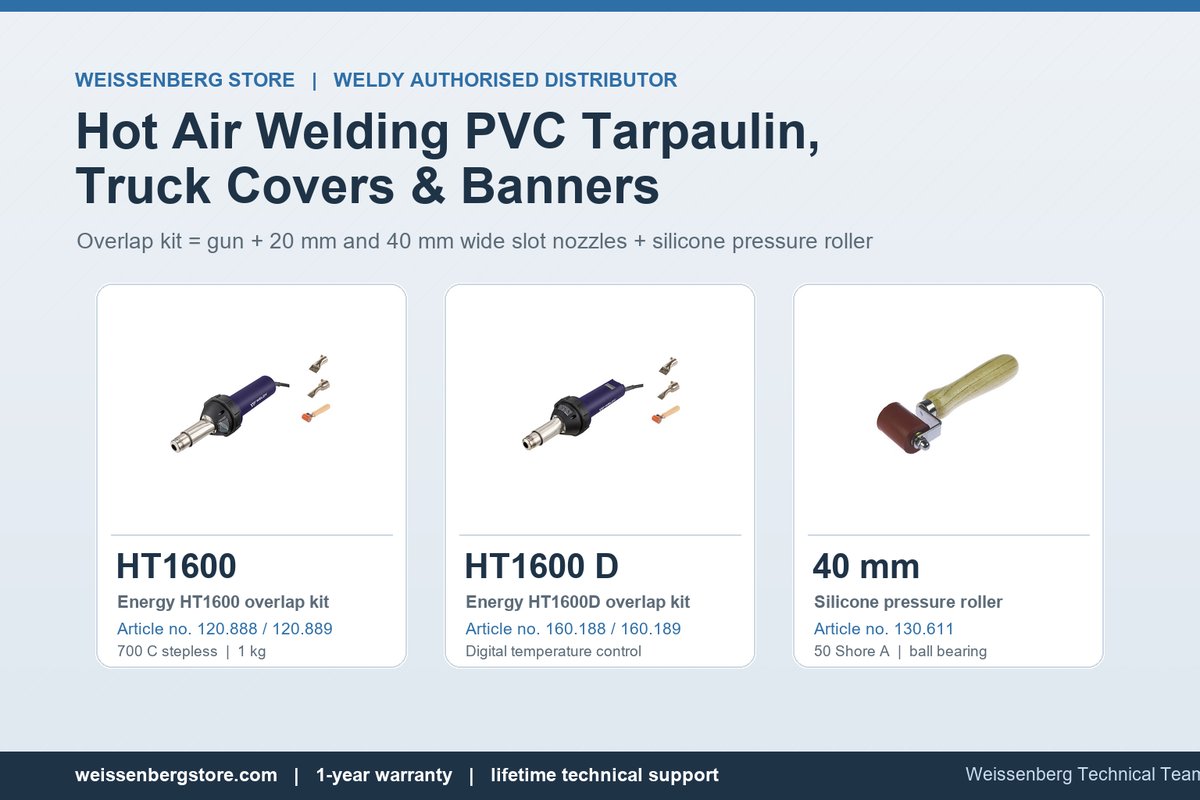
Still setting up the gun side of the job? Start with the Weldy Energy HT1600D or browse the hot air gun range. Not sure which rod your tool takes? Send us the tool model and the material you weld and we will confirm the matched rod and nozzle. For other joints, the plastic welding nozzle guide and the 4 mm vs 5 mm speed welding nozzle guide cover the alternatives.




Leave a comment
This site is protected by hCaptcha and the hCaptcha Privacy Policy and Terms of Service apply.