
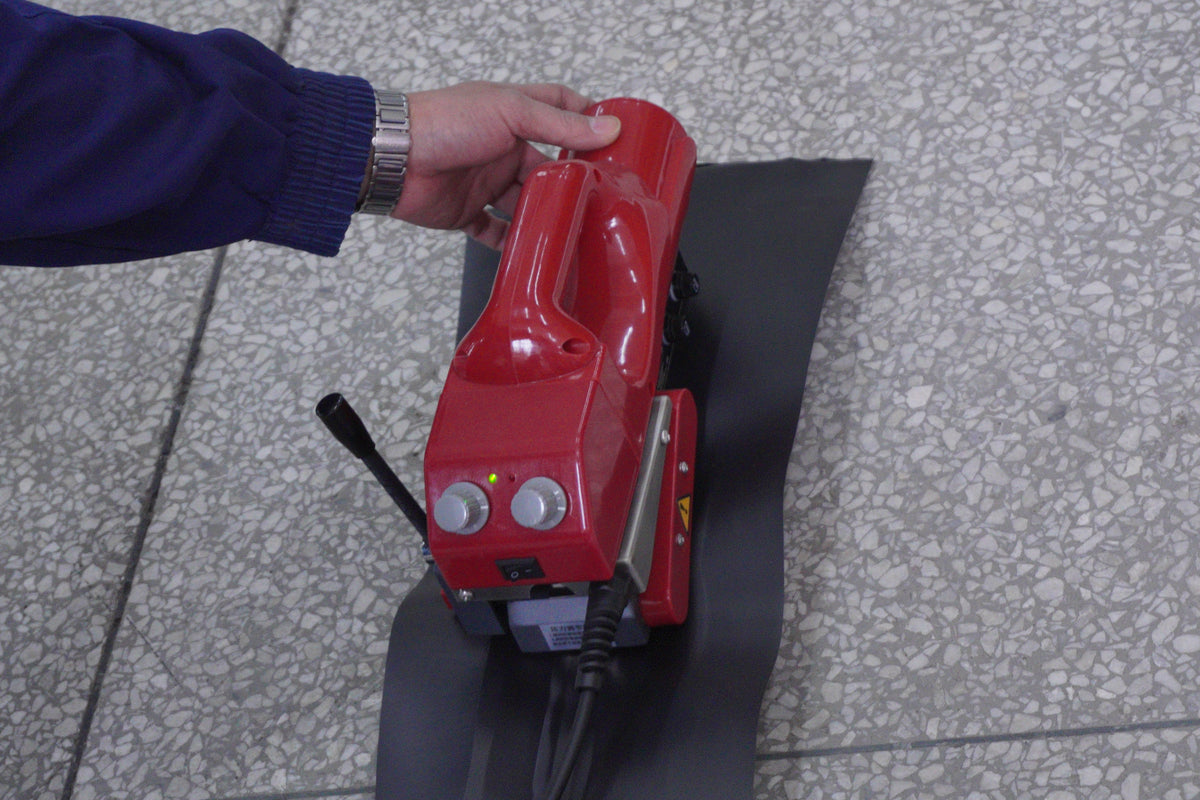
On a lined landfill, reservoir, or mining pad, seam quality is central to containment performance. For field crews and QC teams, welding speed is only part of the question. The finished seam must also be inspectable, testable and documented against the project specification. This guide explains how dual-track seams produced by RYG wedge welders support that QC process and how ASTM D5820, ASTM D6392 and ASTM D8580 fit into the workflow.
Quick Answer: How Are Dual-Track Geomembrane Seams Tested?
A dual-track wedge weld creates two parallel fusion tracks separated by an unwelded air channel. That channel can be pressurized for nondestructive evaluation under ASTM D5820. Where destructive verification is required, seam coupons from nonreinforced geomembranes can be evaluated in peel and shear under ASTM D6392. ASTM D8580 provides general guidance for the hot-wedge welding process itself, including the influence of temperature, speed, pressure and surface preparation.
These standards serve different purposes. Air-channel testing evaluates continuity and watertightness; destructive peel and shear testing evaluates seam integrity; and the welding procedure establishes how the seam is produced. Final acceptance criteria still come from the project specification, CQA plan and geomembrane manufacturer's requirements.
Why Dual-Track Welding Matters on Geomembrane Projects
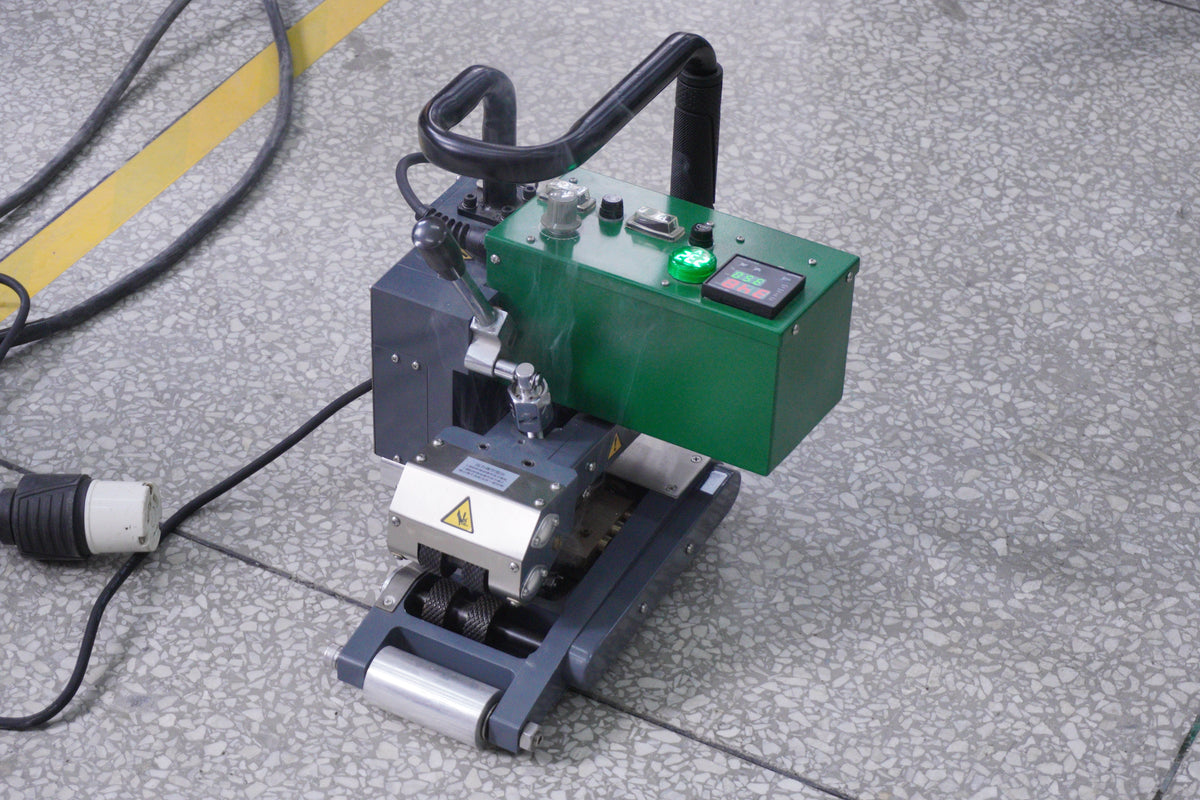
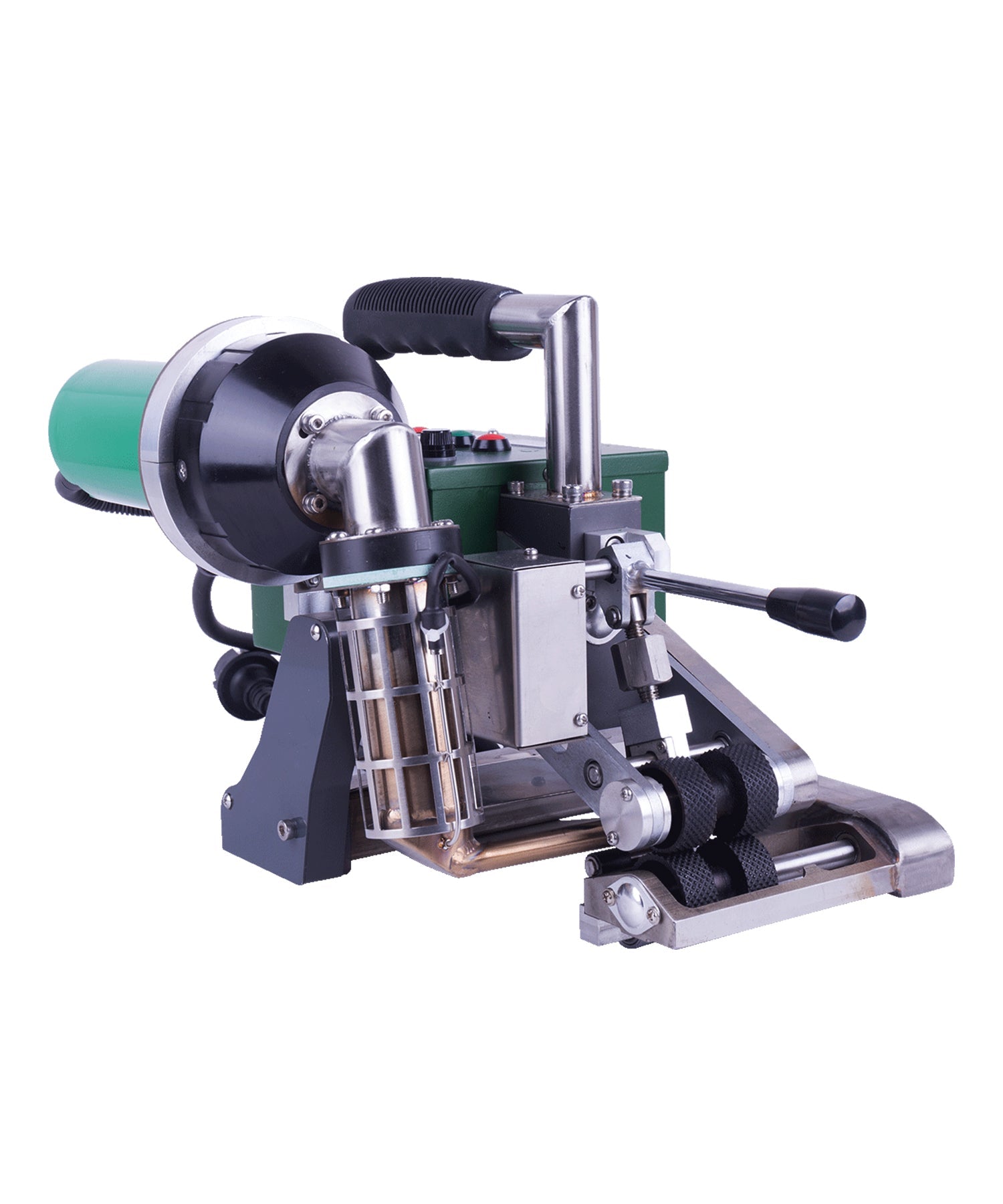
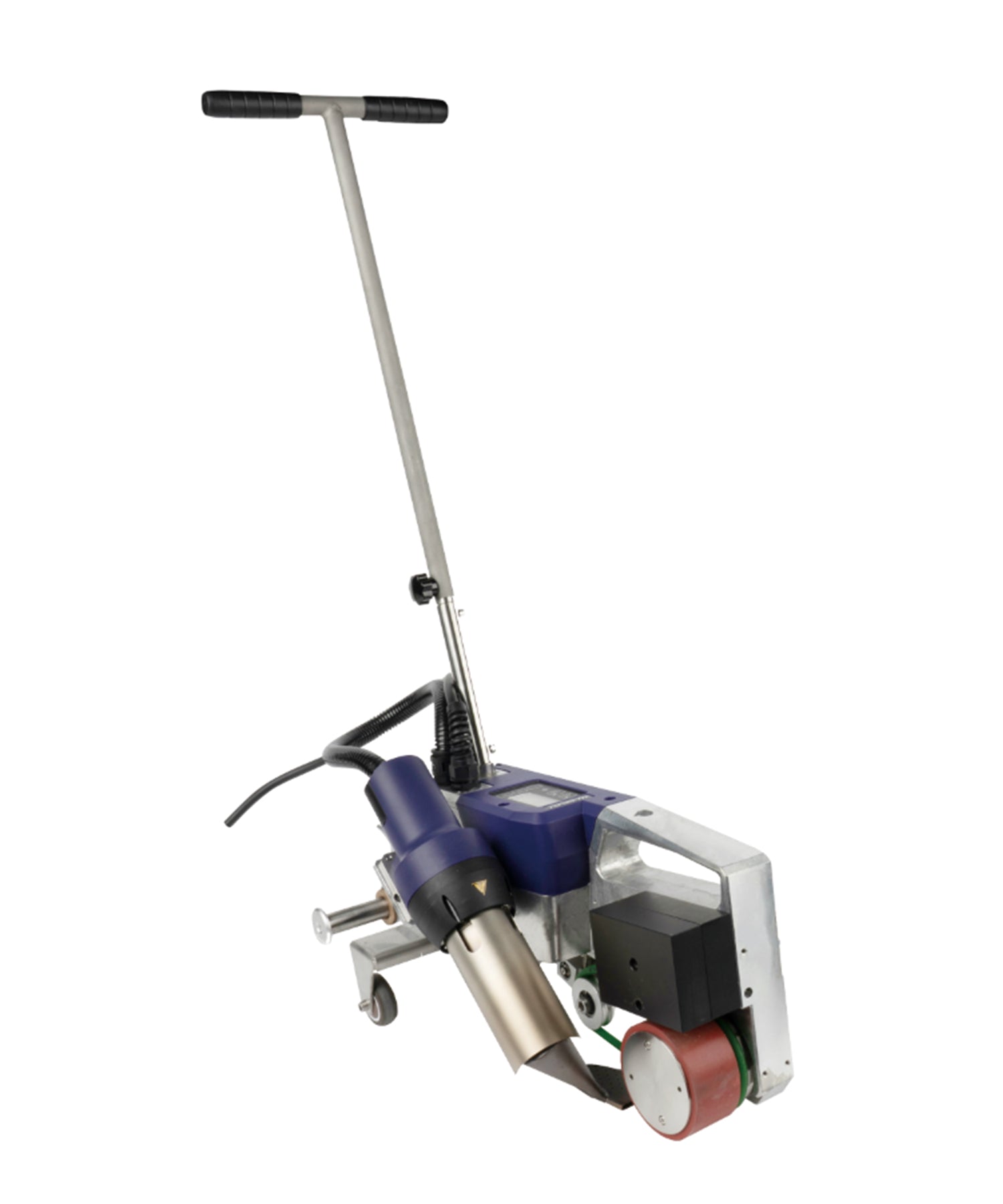
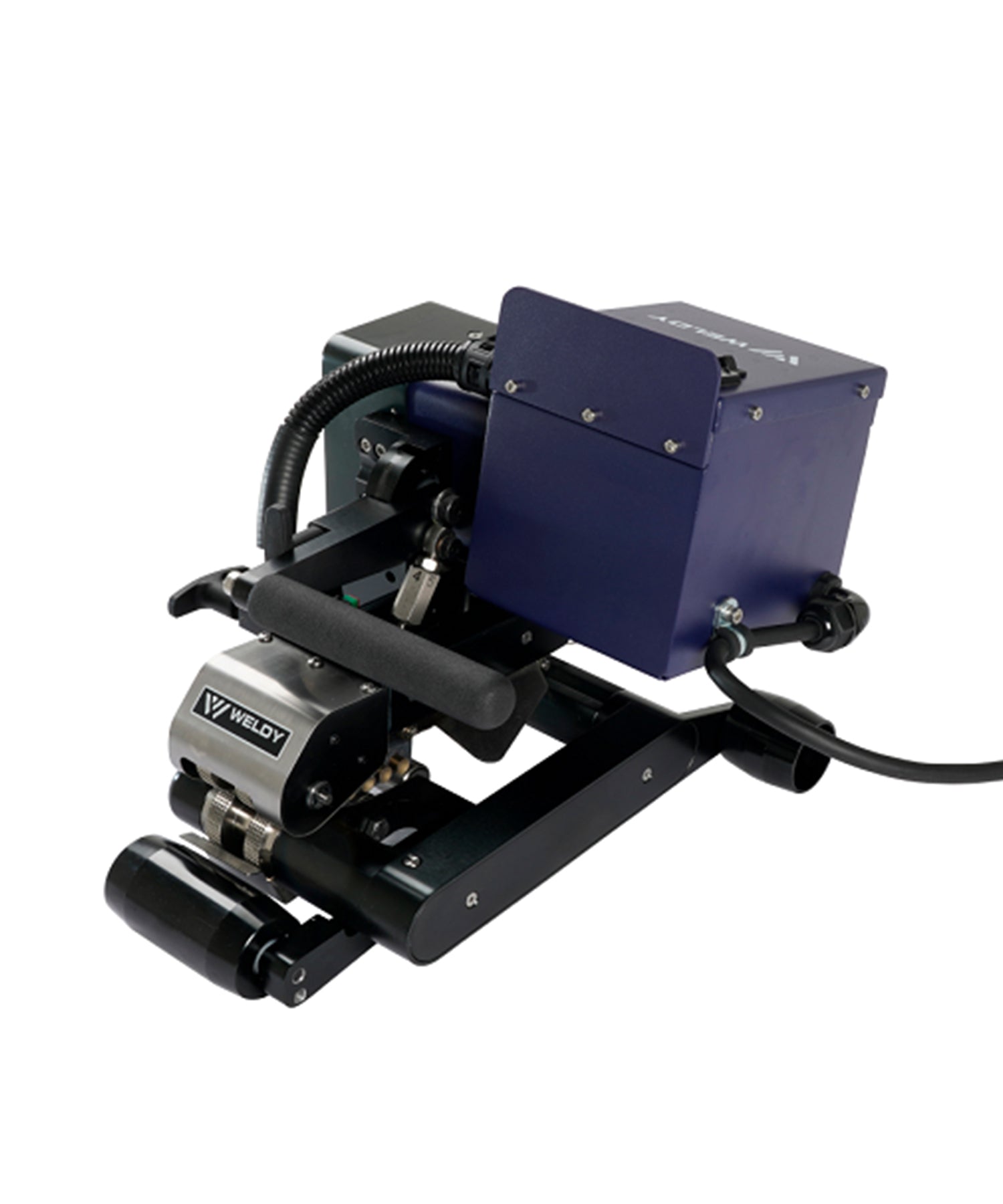
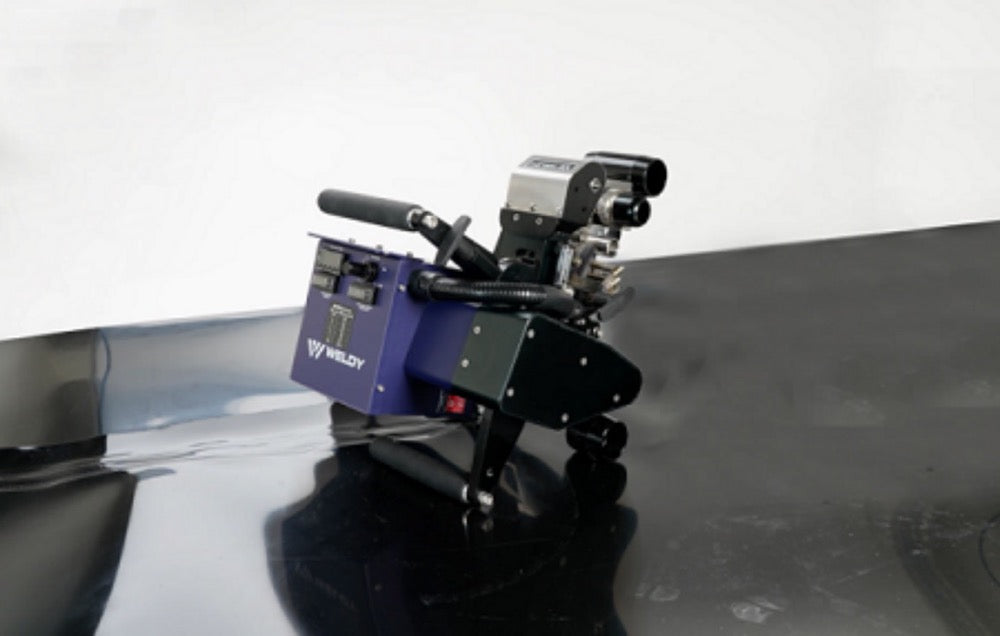
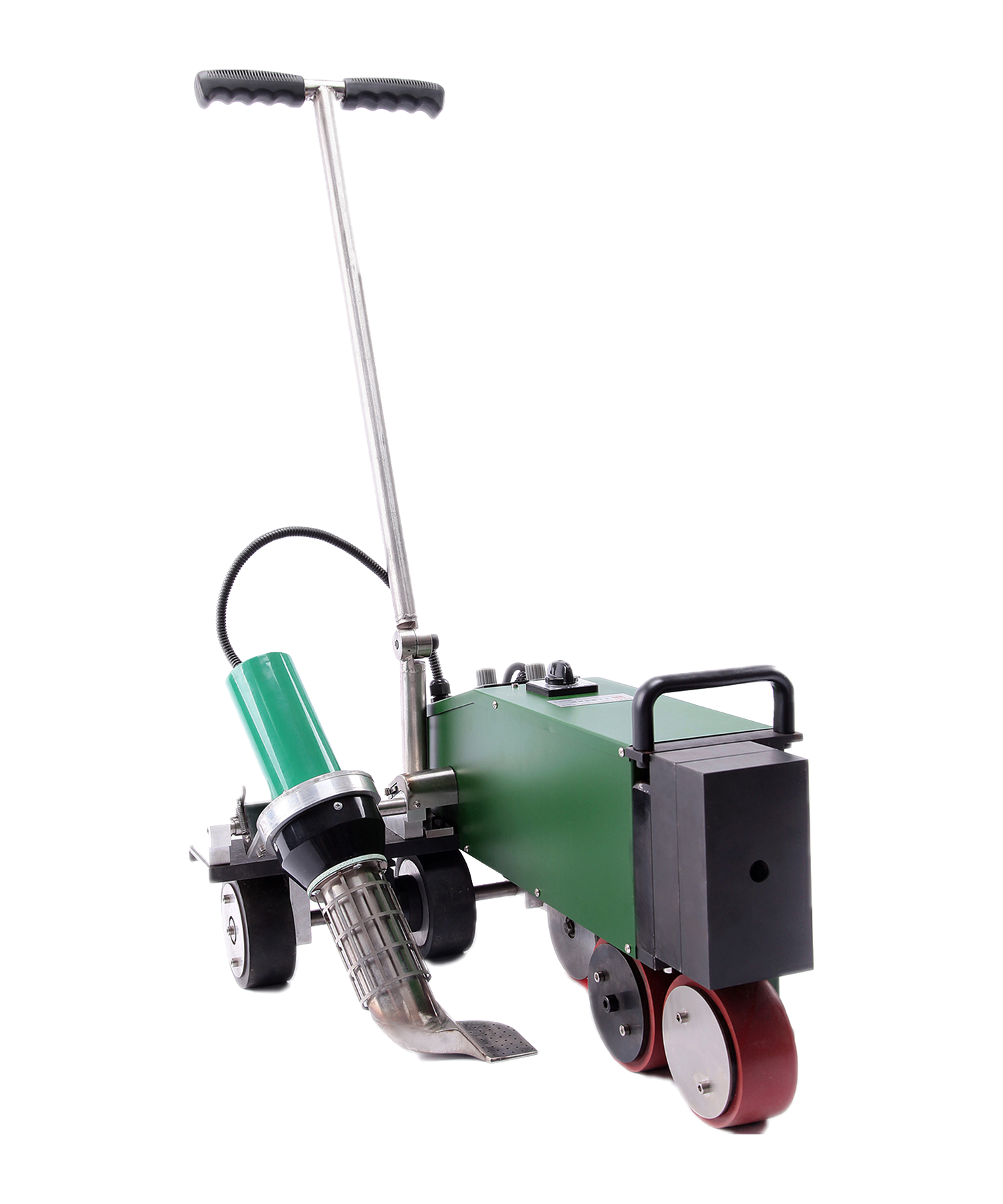
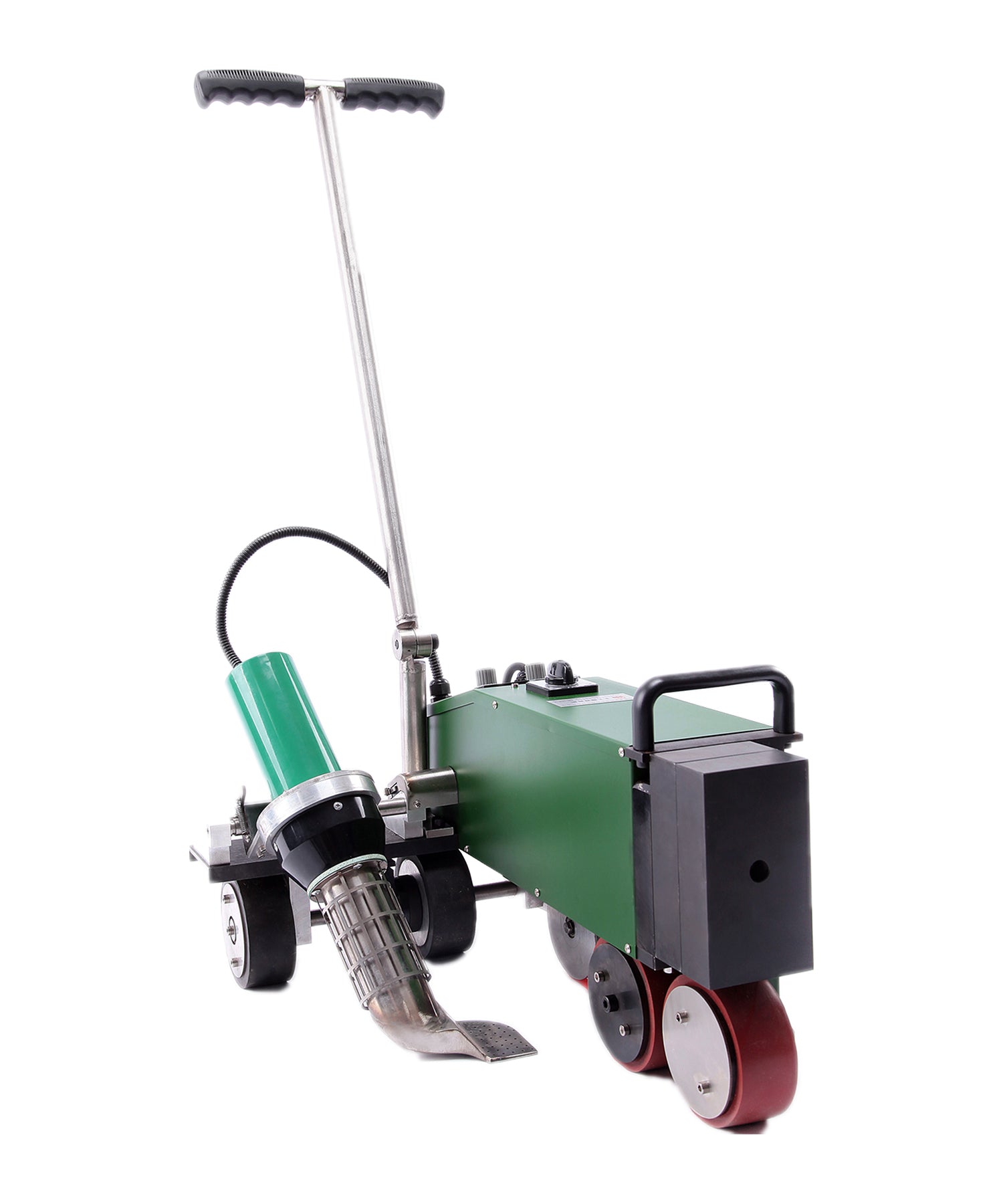
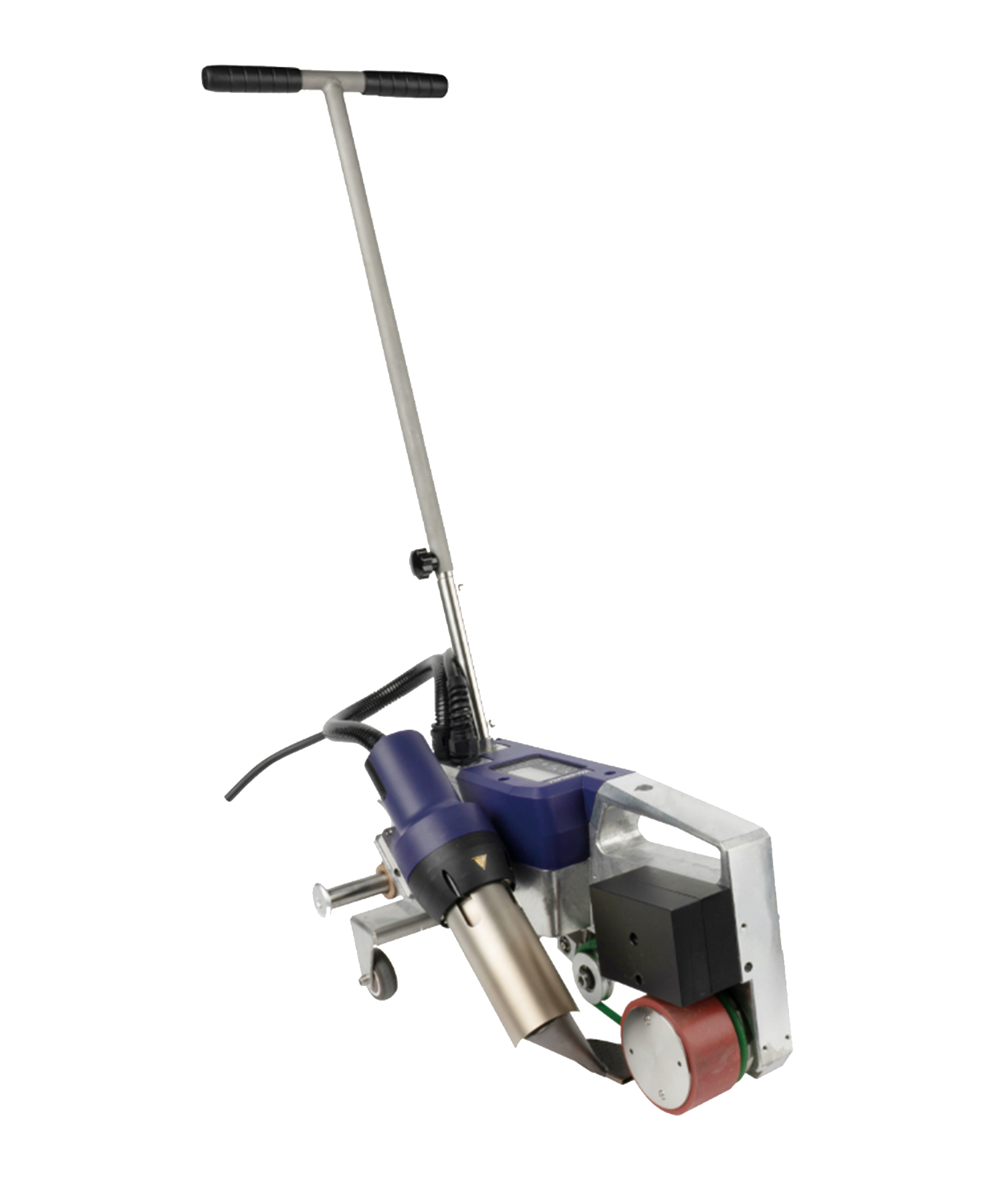
A wedge welder fuses overlapping geomembranes by drawing them past a heated wedge under controlled pressure from the drive rollers. In a dual-track configuration, two parallel welds are formed with an unwelded channel between them. This geometry is widely used on large geomembrane installations because the air channel provides a practical way to evaluate long seam sections without cutting the liner.

Dual-Track Seam Geometry on RYG Wedge Welders
Seam geometry varies by model. The examples below focus only on the dimensions that matter directly to dual-track QC rather than repeating a full machine buying comparison.
| Model | Dual Weld Tracks | Interior Air Channel | Published Overlap Width |
|---|---|---|---|
| RYG800D | 12.5 mm × 2 | 12 mm | 10 cm |
| RYG900D | 15 mm × 2 | 15 mm | 12 cm |
| RYG700 | 15 mm × 2 | 15 mm | 16 cm |
These dimensions describe the seam configuration produced by the machine. They should not be used by themselves to infer field seam strength or acceptance. Final weld quality must be verified using the testing and acceptance criteria specified for the project.
ASTM D5820: Air-Channel Testing for Seam Continuity
ASTM D5820 covers nondestructive evaluation of parallel geomembrane seams separated by an unwelded air channel. The channel is sealed, pressurized to the value required by the applicable procedure, and monitored for unacceptable pressure loss or other evidence of discontinuity.
The purpose of this test is to evaluate continuity and watertightness. It is not a measurement of the physical strength of the seam, and ASTM D5820 is not intended to replace destructive testing. Test pressure, hold time and allowable pressure loss should follow the project CQA specification and the applicable testing procedure rather than a universal value copied from another job.
ASTM D6392: Destructive Peel and Shear Testing
ASTM D6392 is used for destructive QC/QA testing of thermo-fusion seams in nonreinforced geomembranes. The method includes both peel and shear testing and provides data that can be compared with the acceptance criteria defined for the geomembrane material and project.
For dual hot-wedge seams, destructive testing complements air-channel testing: the air-channel test checks seam continuity over a long section, while peel and shear specimens provide information about seam integrity at the sampled location. Sampling frequency and acceptance thresholds should come from the project specification or CQA plan.

ASTM D8580: Guidance for the Hot-Wedge Welding Process
ASTM D8580 provides general guidance for wedge welding of polymeric geomembranes. It addresses factors that influence weld quality and durability, including temperature, welding speed, pressure, and preparation and cleaning of the seam surfaces.
This is the process side of field QC. A seam can only be meaningfully tested after the welding procedure has been established for the actual membrane, equipment and site conditions. Operators should therefore use qualified trial seams and project-approved welding procedures rather than transferring a fixed temperature or speed setting from another material or job site.
Why Digital Readouts Help Field QC
The RYG800D provides a digital display, while the RYG900D provides a digital temperature readout. These features make it easier for an operator or QC team to verify and record machine settings before production welding and after a stop or significant change in site conditions.
A digital display does not by itself guarantee an acceptable seam, but it improves traceability by making process settings easier to check and document alongside trial-seam and field-test results.
Field Practices That Protect Weld Quality
Prepare and clean the seam surfaces according to the geomembrane manufacturer's instructions and the approved welding procedure. Maintain the specified overlap, keep the wedge and drive rollers free of polymer buildup, and verify that roller pressure is appropriate for the material and machine setup.
Trial seams and qualifying tests should be performed at the frequency required by the project CQA plan, and settings should be re-evaluated when there are meaningful changes in material, surface condition, weather or welding parameters. Record the relevant temperature, speed and pressure settings where the equipment and project documentation allow.
Key Takeaways
- Dual-track wedge welding creates two parallel welds with an air channel that can be tested nondestructively.
- ASTM D5820 evaluates seam continuity and watertightness; it does not measure seam strength.
- ASTM D6392 provides destructive peel and shear testing for nonreinforced thermo-fused geomembrane seams.
- ASTM D8580 provides general guidance for the hot-wedge welding process, including temperature, speed, pressure and surface preparation.
- Project specifications and the CQA plan determine actual test pressures, test frequency and acceptance criteria.
Built and Backed by Weissenberg
The RYG series is manufactured by Weissenberg and supported by more than 19 years of plastic-welding engineering experience. Weissenberg Store currently provides a 1-year warranty for its geomembrane welding machines together with ongoing technical consultation. RYG models are supplied in protective aluminum cases; included accessories vary by model.
References
- ASTM D5820-95(2023) — Standard Practice for Pressurized Air Channel Evaluation of Dual-Seamed Geomembranes.
- ASTM D6392-25 — Standard Test Method for Determining the Integrity of Nonreinforced Geomembrane Seams Produced Using Thermo-Fusion Methods.
- ASTM D8580-24 — Standard Practice for Wedge Welding of Polymeric Geomembranes.




Leave a comment
This site is protected by hCaptcha and the hCaptcha Privacy Policy and Terms of Service apply.