
By Weissenberg Technical Team — 20+ years of experience in thermoplastic welding technology
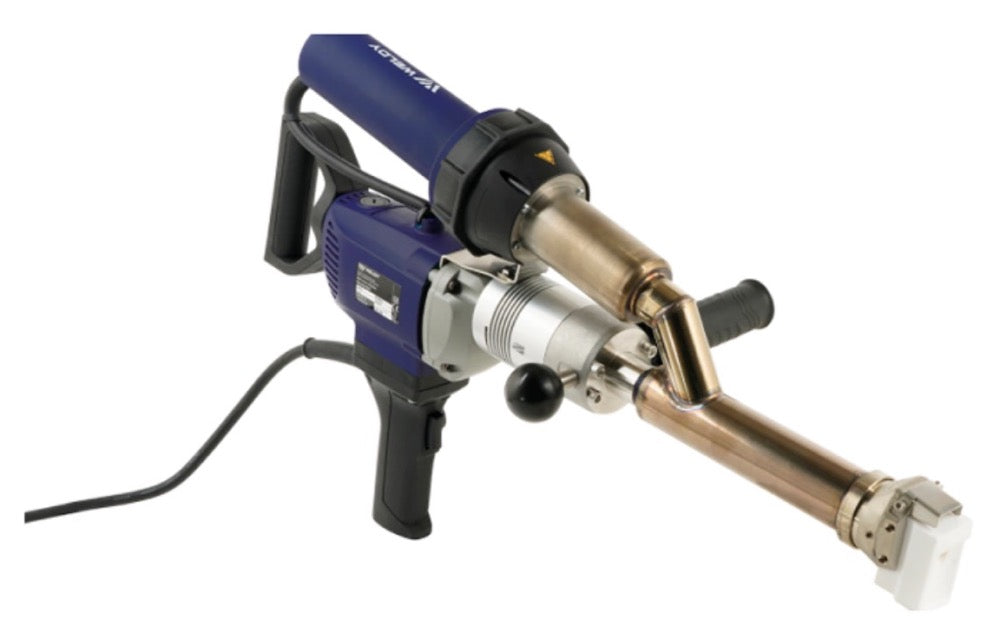
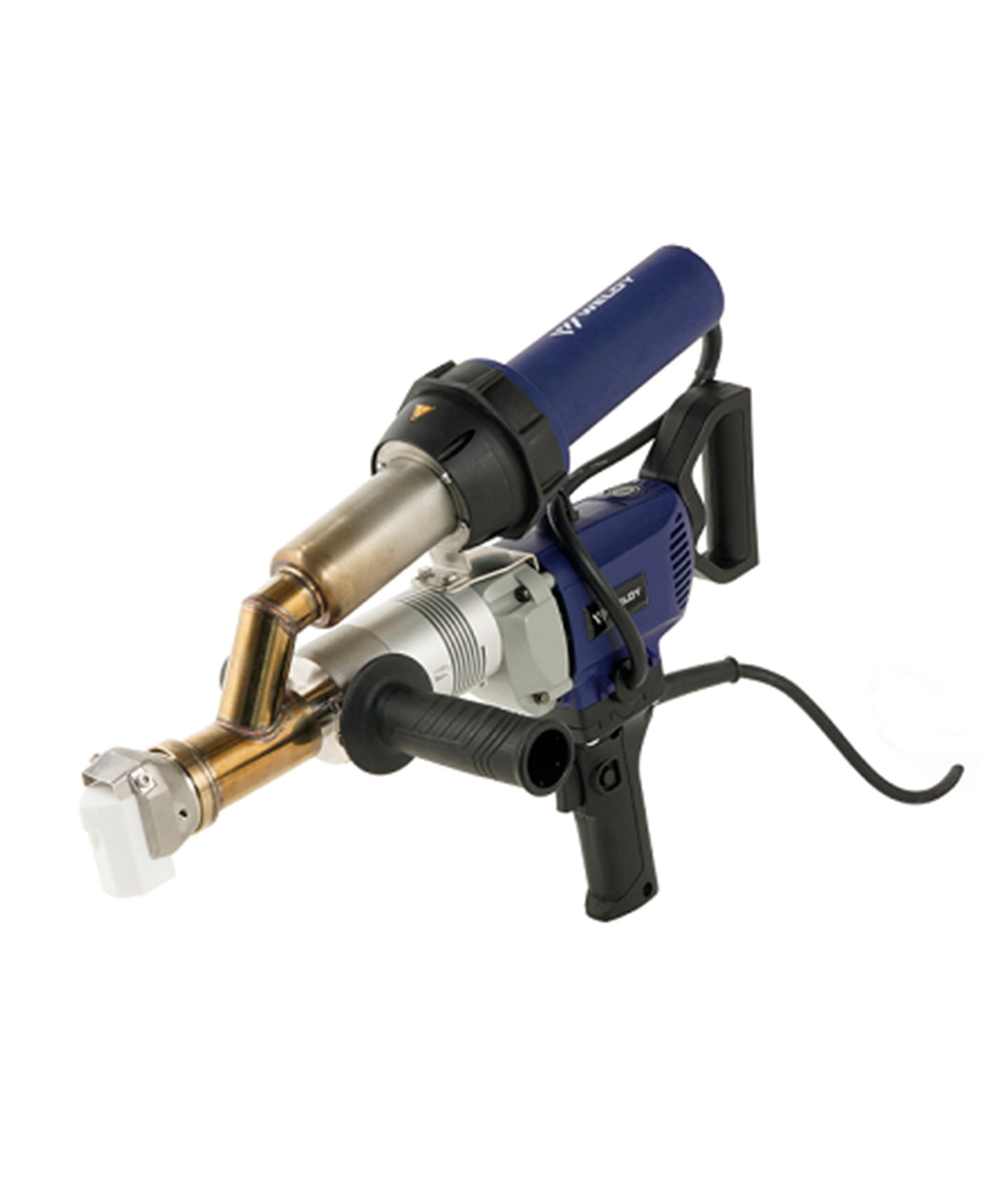
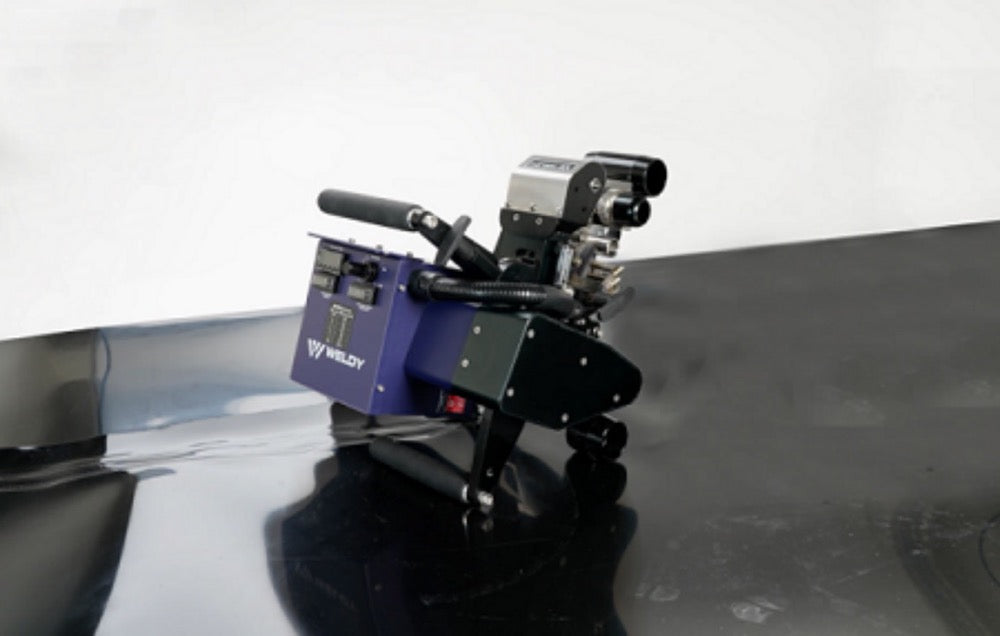
Extrusion welding is the workhorse process behind plastic tank fabrication, pipe structures and geomembrane lining projects. Unlike hot-air welding, which builds a seam bead by bead, an extrusion welder feeds a weld rod into a heated barrel, melts it and deposits a homogeneous, high-strength bead in a single pass. In this guide, our team covers the Weldy Booster EX2 and EX3 hand extruders — process parameters, applications and maintenance — so you can produce repeatable, standard-compliant seams on every job.
Why Choose Extrusion Welding?
Extrusion welding delivers single-pass seams whose strength approaches the parent material, making it the preferred process for load-bearing structures such as chemical tanks, reservoirs and pipe systems. The process is defined by DVS 2207-4 (extrusion welding of PE sheets) and DVS 2207-11 (hot-gas extrusion welding); joint testing follows EN 12814, while welder competence is verified under EN 13067. ISO 9001-certified manufacturing and CE-marked equipment complete a documented quality chain.
Weldy Booster EX2 vs EX3: Technical Specifications
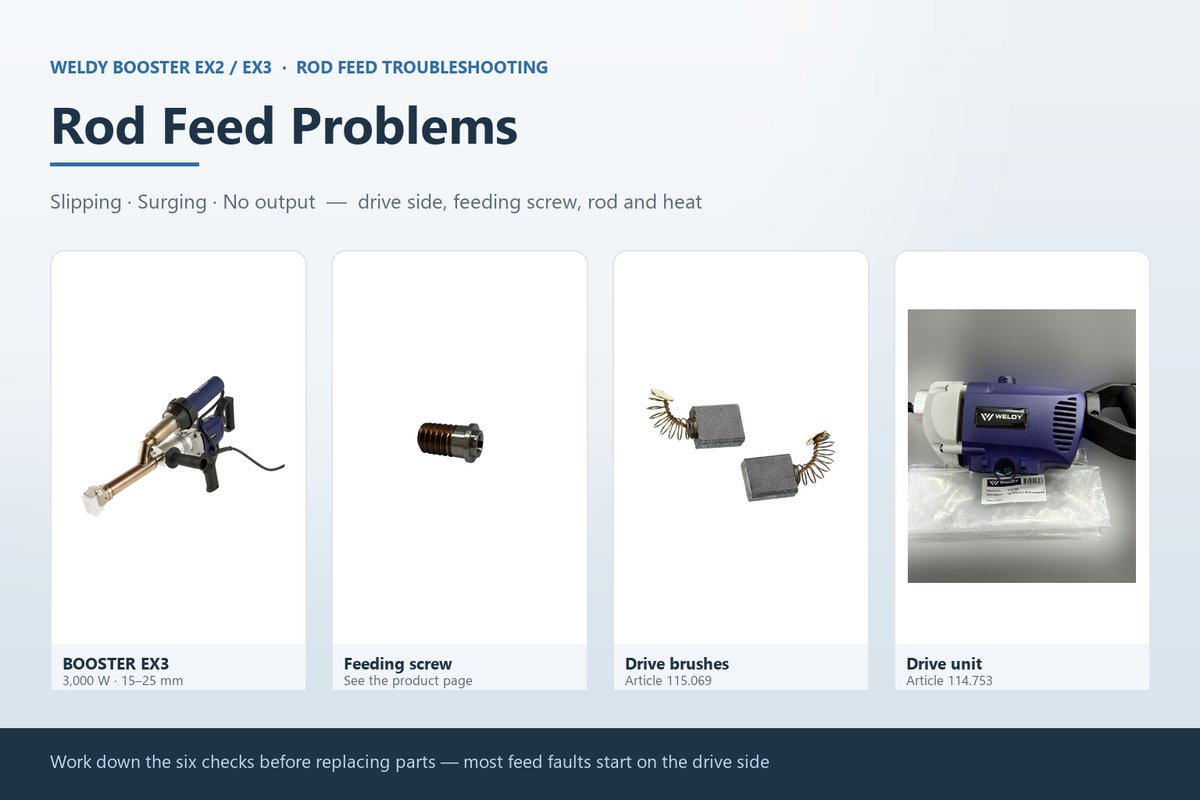
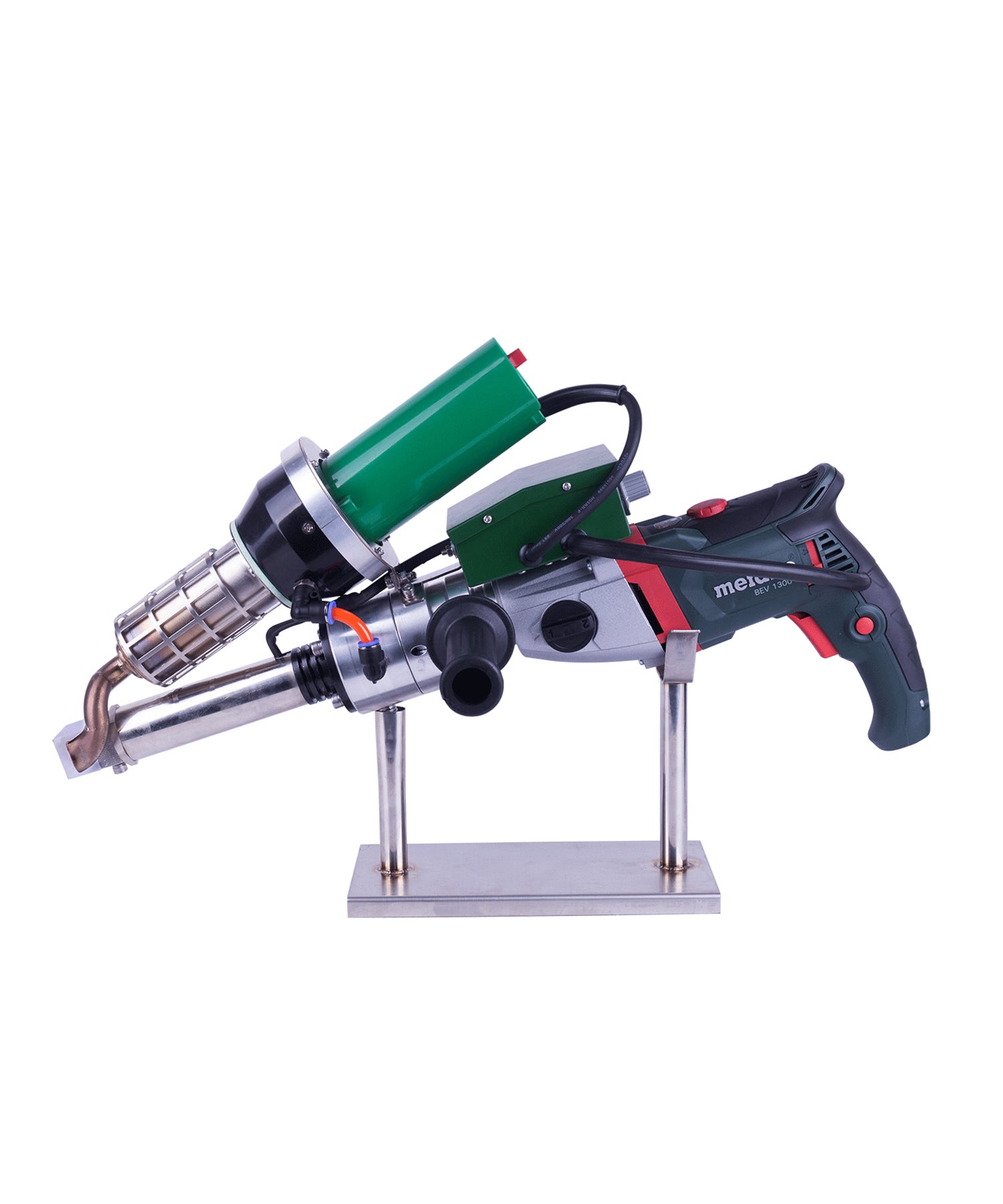
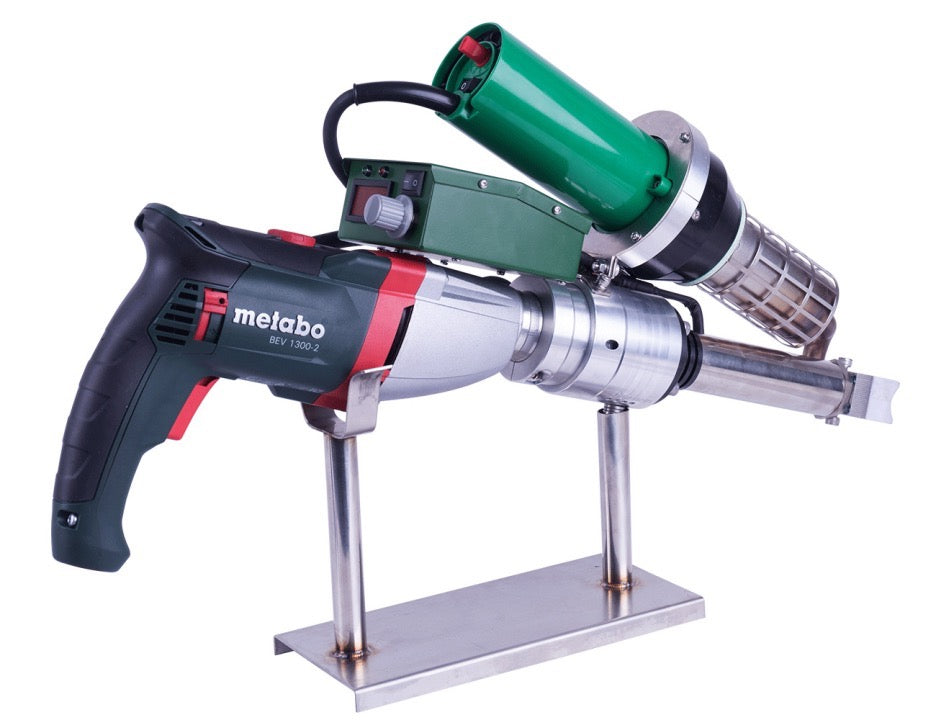
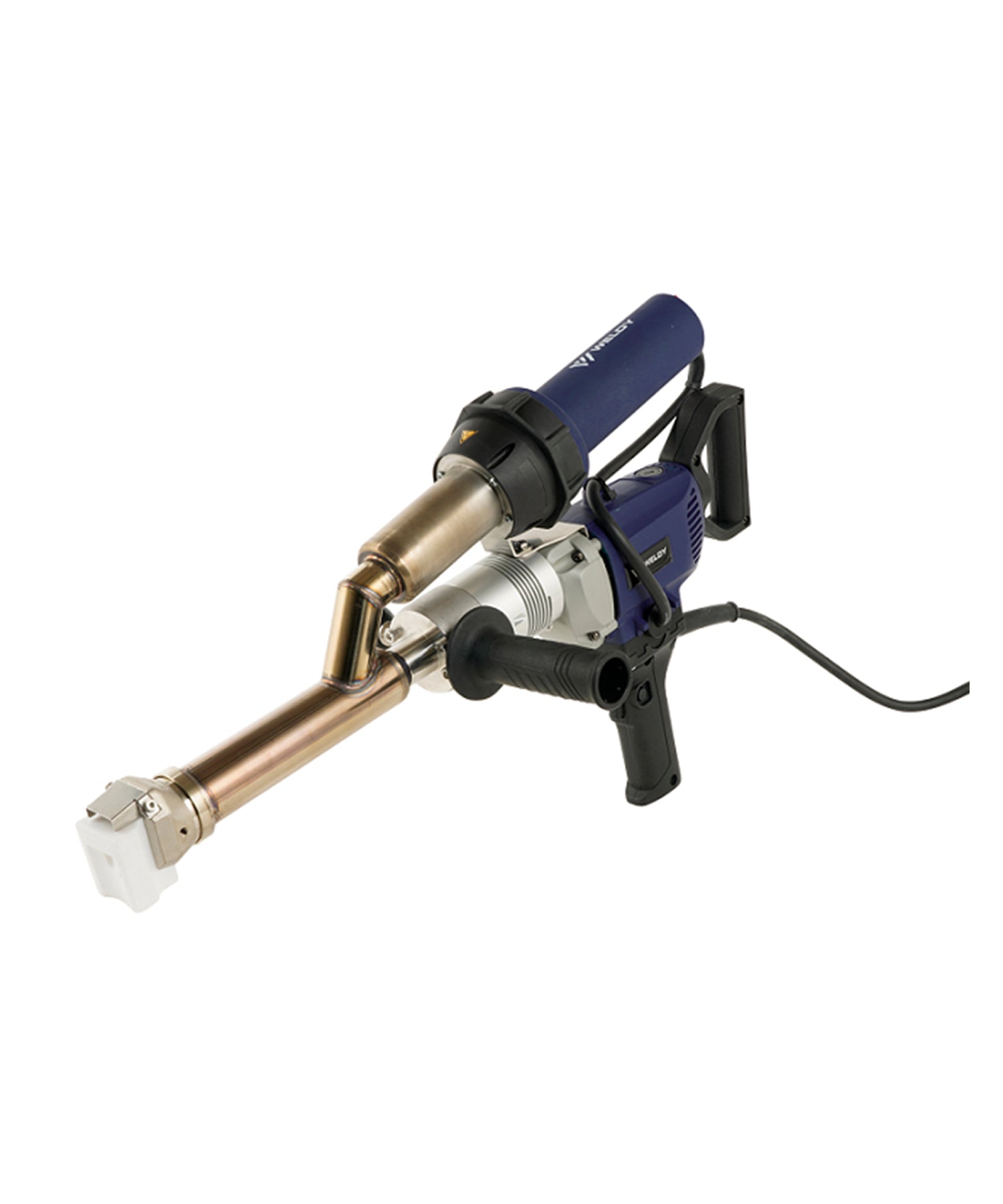
Both hand extruders share a 3000 W heating system and weld 3–4 mm rod, but output and ergonomics differ.
| Parameter | Booster EX2 | Booster EX3 |
|---|---|---|
| Voltage / Frequency | 230 V / 50–60 Hz | 230 V / 50–60 Hz |
| Power | 3000 W | 3000 W |
| Weld rod diameter | 3–4 mm | 3–4 mm |
| Material output | 1.5–2.2 kg/h (max 2.5) | 2.4–3.4 kg/h (max 3.6) |
| Weldable materials | HDPE, LDPE, LLDPE, PP | HDPE, LDPE, LLDPE, PP |
| Weight | 6.4 kg | 6.9 kg |
| Length | 500 mm | 630 mm |
| Temperature range | 20–550 °C | 20–550 °C |
| Approvals | CE, Protection Class II | CE, Protection Class II |
Recommended Welding Parameters for HDPE & PP
Based on DVS 2207-4 guideline values, these windows are a reliable starting point:
| Material | Extrudate temperature | Hot-gas preheat | Typical speed |
|---|---|---|---|
| HDPE (PE-HD) | 210–230 °C | 210–300 °C, ~300 l/min | ~0.3 m/min |
| PP (PP-H / PP-B / PP-R) | 210–240 °C | 210–300 °C, ~300 l/min | ~0.3 m/min |
Parameters shift with ambient temperature and material grade. Always run test welds and verify the extrudate temperature with an insert thermometer at the barrel outlet before production.
Step-by-Step Extrusion Welding Procedure
- Prepare the joint — scrape both surfaces to remove the oxide layer and any contamination; keep the weld area dry and dust-free.
- Tack weld with a root run — use a 3 mm hot-gas root run to hold panels in perfect alignment and guarantee full weld penetration.
- Preheat the substrate — the Booster’s integrated hot-air preheat (about 300 l/min per DVS guidance) heats the joint zone ahead of the bead.
- Deposit the bead — feed 3–4 mm rod into the barrel, hold the extruder at the correct angle and travel continuously at about 0.3 m/min, letting the shoe shape the seam.
- Cool naturally — never quench the weld; uniform cooling preserves crystallinity and impact strength.
- Inspect — visual check plus destructive coupons per EN 12814 (tensile, bend, peel). A quality weld fails in the parent material, not at the seam.
Applications: Where the Booster Excels
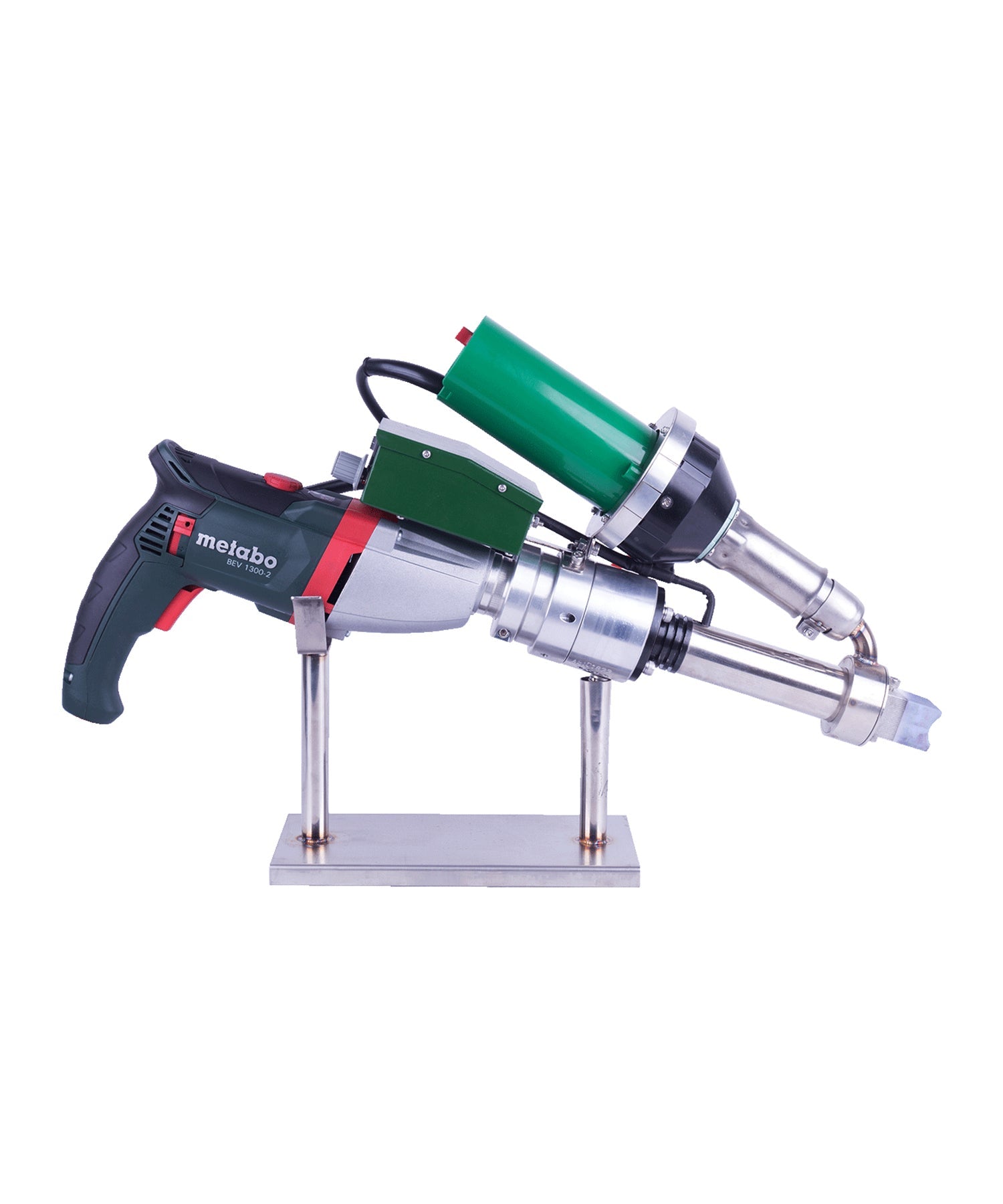
The EX2 is compact and ideal for plastic plants, tank workshops and underground engineering, with double-sided rod feed for tight corners. The EX3 adds a longer barrel and higher output for civil engineering, agriculture, membranes and landfill work.


Typical jobs include chemical and water-treatment tanks, reservoir and canal waterproofing, aquaculture and boat building, flue-gas scrubbers, and landfill or mining membrane welding.
EX2 or EX3 — Which One Fits Your Shop?
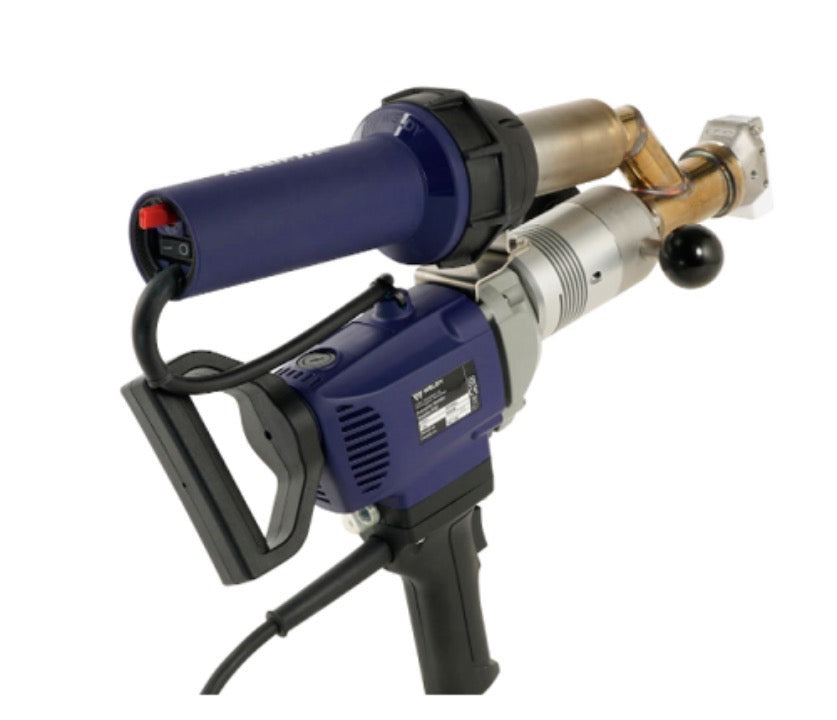
Choose the EX2 for compact workshops, smaller fabrications and mixed 3–4 mm rod jobs where manoeuvrability matters. Choose the EX3 for long continuous seams, thick-sheet tanks and high-output civil projects where 3.6 kg/h throughput shortens job time. Both feature a locking key for fatigue-free continuous welding, 360° rotatable welding shoes, and a handle that mounts on either side.
Maintenance Tips for a Long Service Life
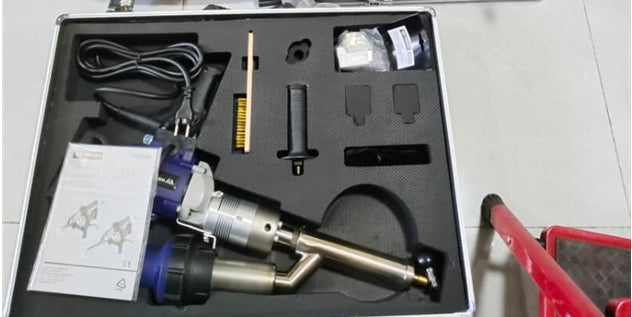
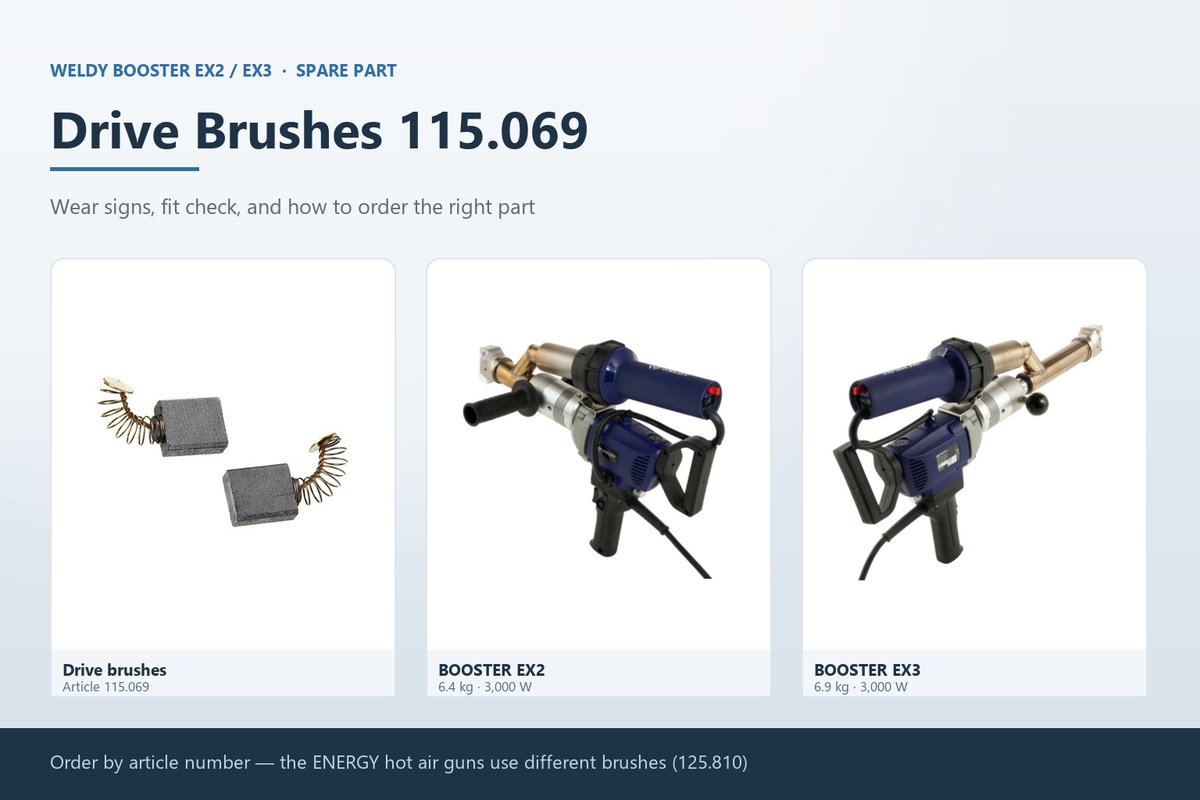
After each shift, clean the screw barrel and shoe with a brass brush while warm to remove rod residue. Check the carbon brushes (ref. 115.069) and replace them when worn; keep the heating element clean — it is designed for quick replacement. Always store the extruder in its transport case, dust-free and dry, and recalibrate the air temperature against a reference thermometer every few months.
Quality Control and Industry Standards
Specify extrusion welds against DVS 2207-4 / DVS 2207-11 for process parameters, verify joints with EN 12814 test methods, qualify welders per EN 13067, and apply ASTM D6392 where geomembrane seams must be integrity-tested. Weldy equipment is manufactured under ISO 9001 and CE-certified — the same discipline we apply to every machine we supply.
Get Your Weldy Booster from Weissenberg Store
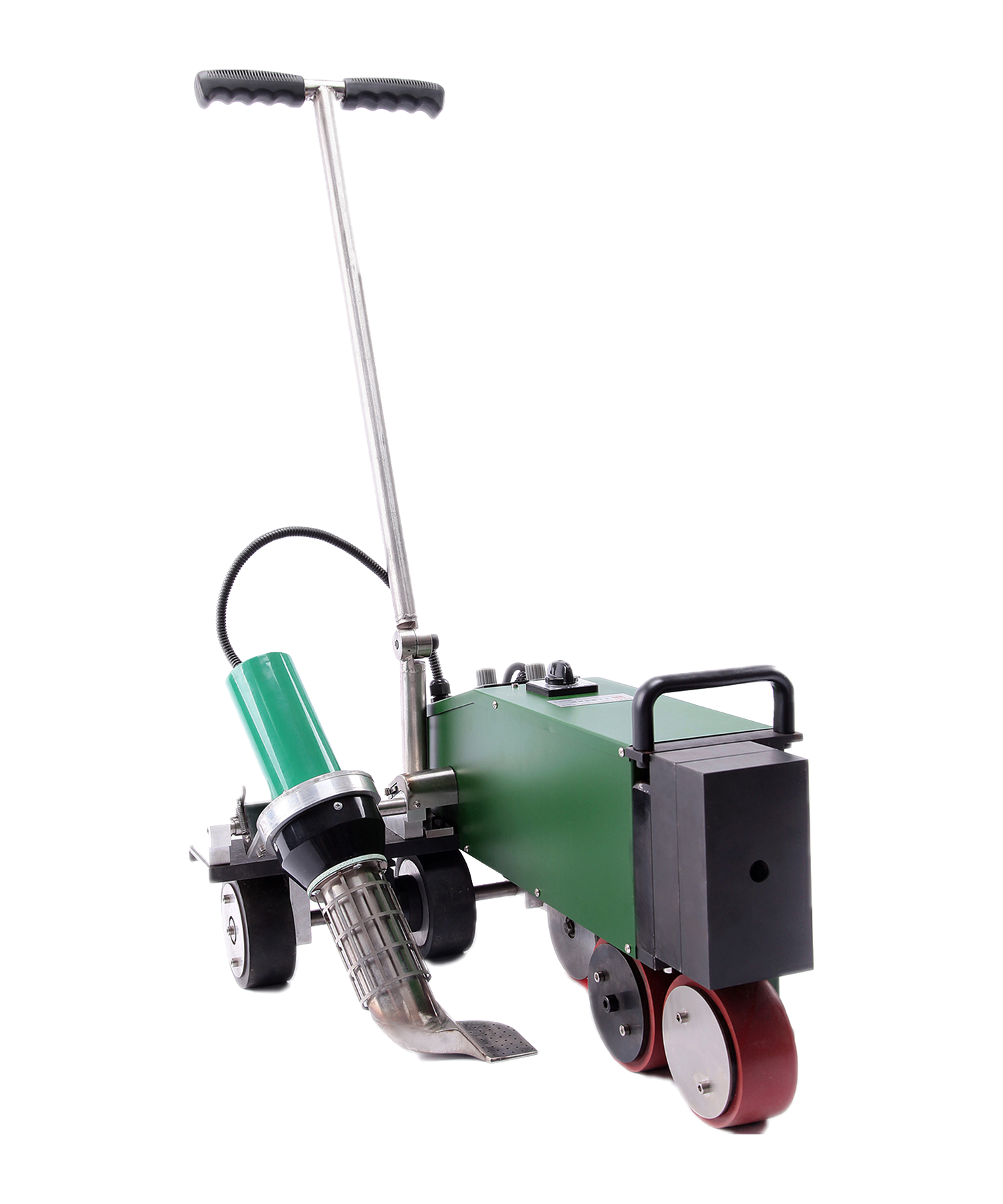
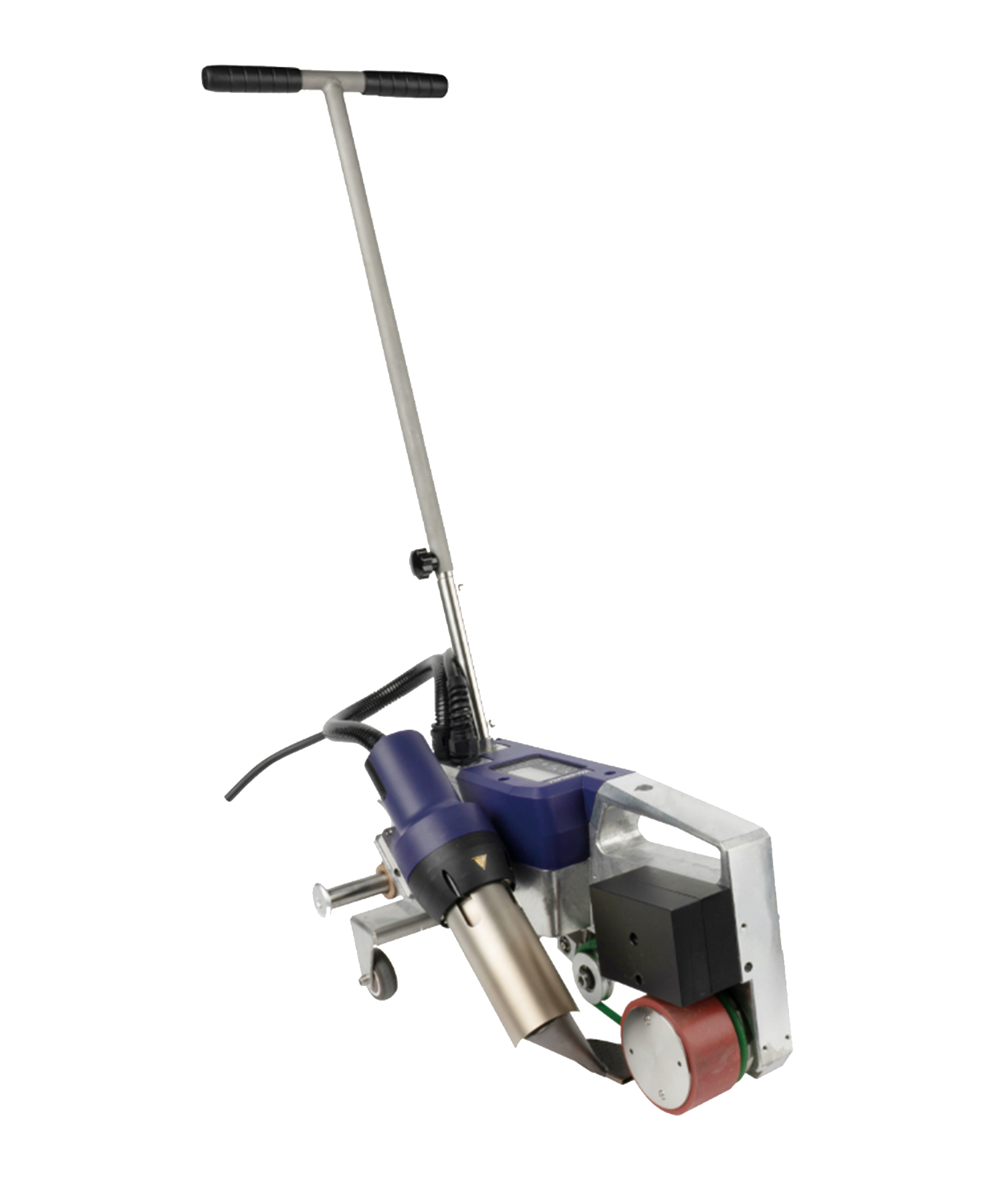
Weissenberg is the official distributor of Weldy equipment. Explore the Weldy Booster EX2 and Weldy Booster EX3 pages, compare welding shoes and spare parts, or contact our online support for application-specific advice.





Leave a comment
This site is protected by hCaptcha and the hCaptcha Privacy Policy and Terms of Service apply.