

Quick answer
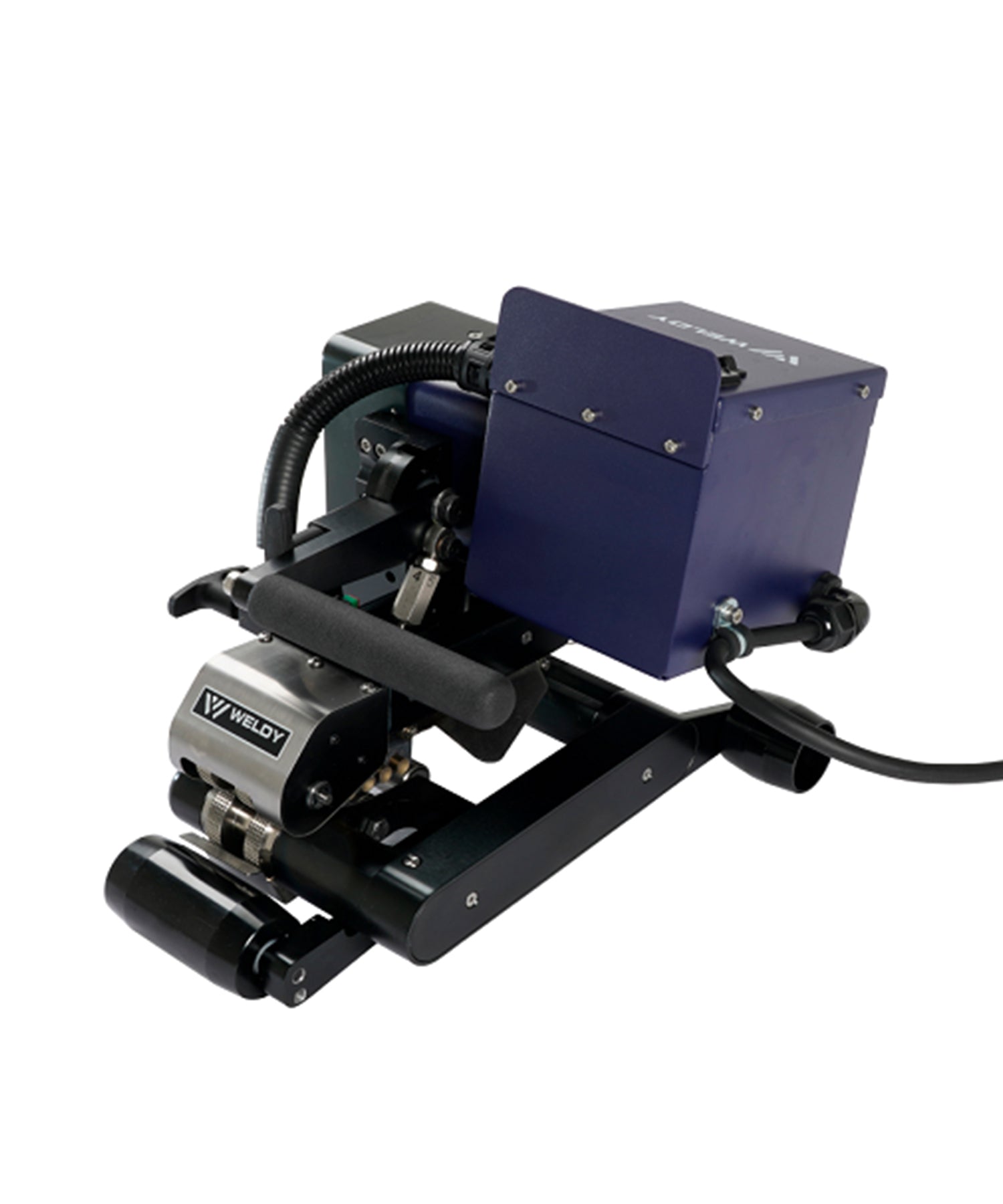
A geomembrane repair kit is the set of hand tools that covers the repairs a self-propelled wedge welder cannot reach — punctures, tears, damaged details and areas around penetrations. It comes down to four tool groups: a hot-air welding setup (gun and compatible nozzle), consolidation tools such as a silicone pressure roller, patch preparation tools, and an extrusion welding setup for rod-fed repair.
Which setup leads depends on the liner and the approved repair procedure. For hand-welded overlap repairs the hot-air setup does the work; where the procedure calls for rod-fed extrusion welding, the extruder leads. The welding values come from the membrane manufacturer, and a trial weld confirms the setup.
A liner project is planned around the production seams, and the wedge welder is bought for them. Repairs are different: the damage is local, access is awkward, and the repair has to match a membrane already laid down. That gap is what a repair kit fills.
This page sets out what belongs in a geomembrane repair kit, what each tool group does, and how to match the kit to the repair. Detail welding with a hand extruder has its own article.
What a Repair Kit Has to Cover
Liner damage arrives in a small number of shapes, and each pulls the tool list in a different direction.
- Punctures and small tears. A patch is welded over the damage and closed by hand.
- Failed or suspect seams. A length of seam is opened, re-dressed or replaced, following the manufacturer’s repair procedure.
- Details and penetrations. Pipe boots, sumps, corners and terminations are welded where a travelling welder cannot go.
- Open joints and thickness build-up. Where a repair has to fill a gap or build up section, rod-fed welding replaces the overlap patch.
Repairs cluster where a production welder cannot travel.
The Four Tool Groups
| Tool group | What it covers | What to match it to |
|---|---|---|
| Hot-air welding setup | Hand overlap welding, tacking and warming a patch edge | The gun’s nozzle connection and the nozzle the seam geometry calls for |
| Pressure / consolidation tools | Dresses the seam while it is warm, so the two surfaces stay in contact | The roller face and width that suit the seam |
| Patch preparation tools | Patch material, cutting, and cleaning and drying the membrane surface | What the membrane manufacturer or project repair procedure specifies |
| Extrusion welding setup | Rod-fed welding for open joints, thickness build-up and larger repair areas | The extruder, a compatible welding rod and the appropriate welding shoe |
A geomembrane repair kit is not one fixed list. It is these four groups, cut down to the repairs the crew faces.
Hot-Air Welding Setup: Gun, Nozzle and Roller
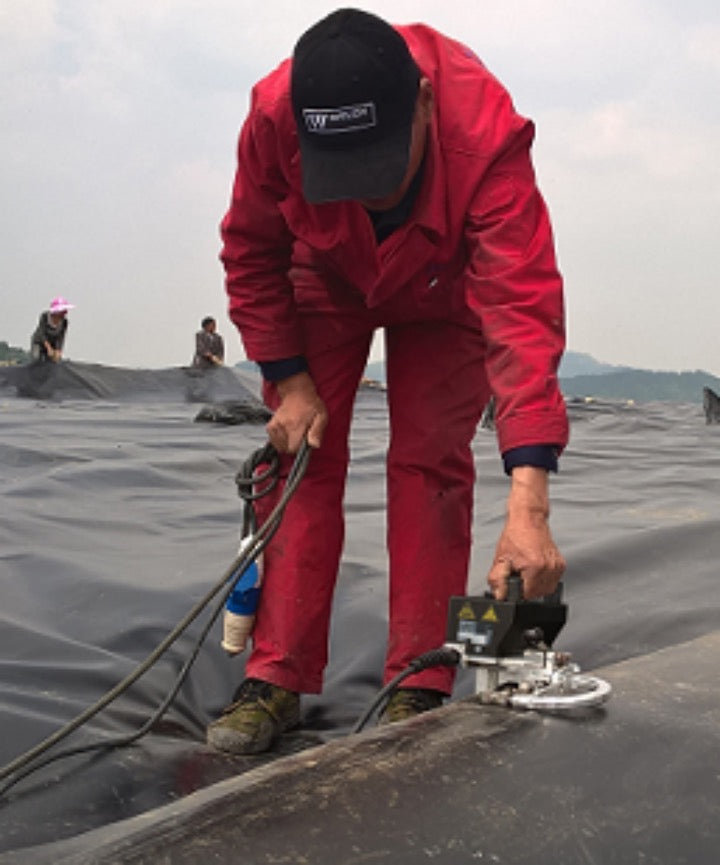
For hand-welded overlap repairs, the core setup is a hot-air gun, a compatible nozzle and a pressure roller. Where the approved repair procedure calls for rod-fed extrusion welding, the hand extruder becomes the primary repair tool.
The Weldy energy HT1600D is a hand gun with a digital display, a 40–620 °C working range, 1,600 W and a weight of 1.2 kg. It comes in 120 V and 230 V versions, and its Ø 31.5 mm connection takes the overlap nozzles.
The HT1600D overlap welding kit arrives with the hand-overlap parts already matched to the gun: a 40 mm wide slot nozzle (124.777), a 20 mm wide slot nozzle (124.772), a 40 mm silicone pressure roller (130.611) and spare carbon brushes for the blower motor (125.810). Buying the set keeps the nozzle connection and the roller consistent with the gun.
The 40 mm and 20 mm wide slot nozzles suit different working widths and repair geometries. The narrower nozzle reaches edges, corners and confined details where a wider nozzle may not sit flat. Both fit the Ø 31.5 mm connection on the HT1600 and HT1600D.
Where the setup includes tack welding to hold a patch, the nozzle is a two-part arrangement. The Ø 8.0 mm tacking nozzle (147.248) mounts through the Ø 31.5 mm tubular nozzle (147.250), so order both parts together. What fits what is set out in our Weldy hot air gun nozzle compatibility guide.
A silicone pressure roller is a working tool, not a spare. It holds the softened overlap together as it cools, and its face has to suit the seam being dressed. The widths we supply are compared in our article on 30 mm vs 40 mm silicone pressure rollers.

The HT1600D overlap welding kit: gun, nozzles and roller supplied as a matched set.
Patch Preparation Tools
Preparation covers the patch itself and the state of the surface it lands on.
- Patch material. Use patch material that is compatible with the installed liner and specified by the membrane manufacturer or the project repair procedure. A project that calls for the same resin, membrane or thickness sets that in its procedure.
- Cutting. The patch is cut to the shape the repair describes, with clean edges.
- Cleaning and drying. The membrane surface is cleaned and dried as the manufacturer instructs before the patch is placed.
The procedure, not this page, defines the patch material and its dimensions. The tools deliver a clean surface and a patch that matches the procedure.
Extrusion Welding Setup: Extruder, Rod and Shoe
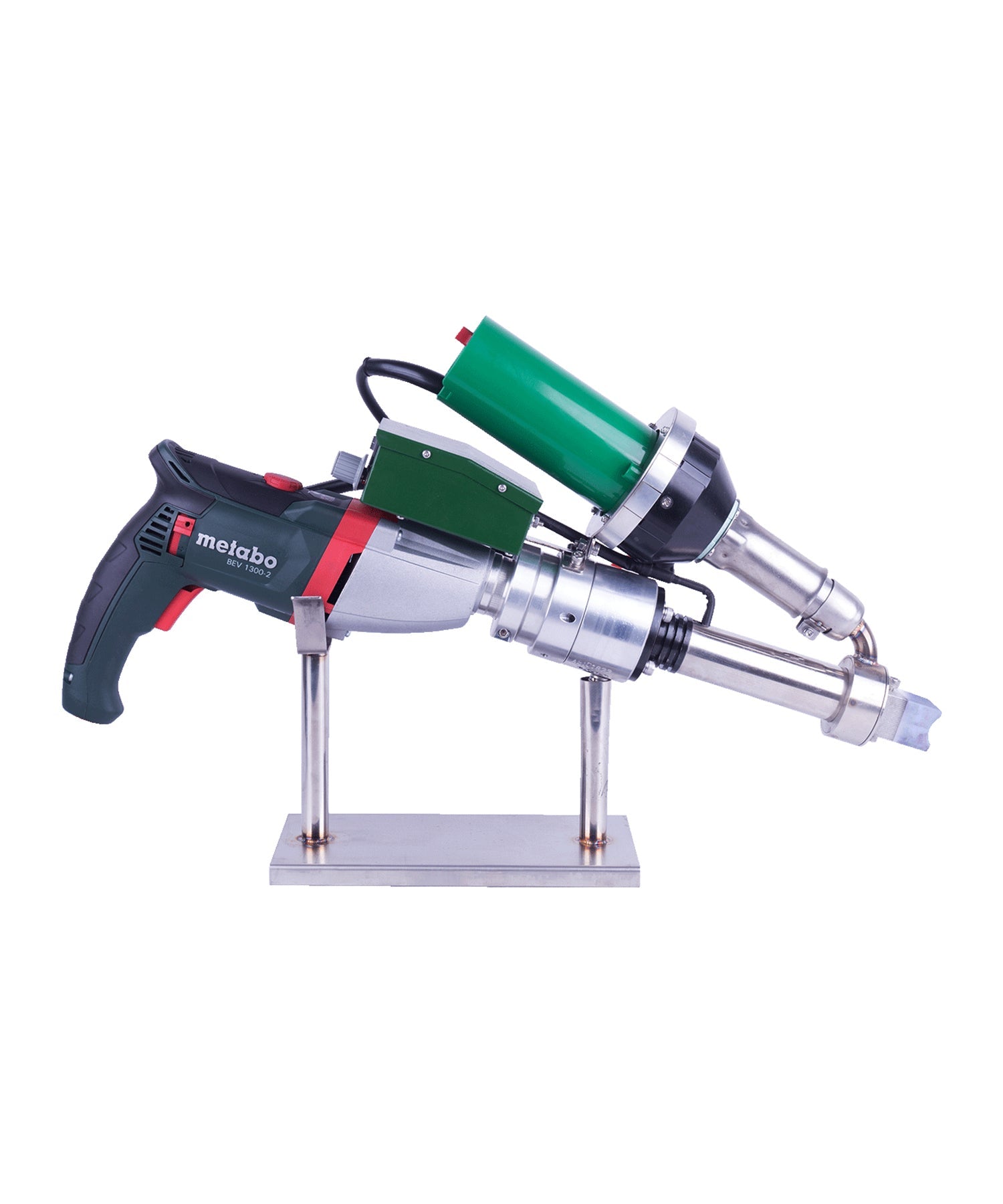
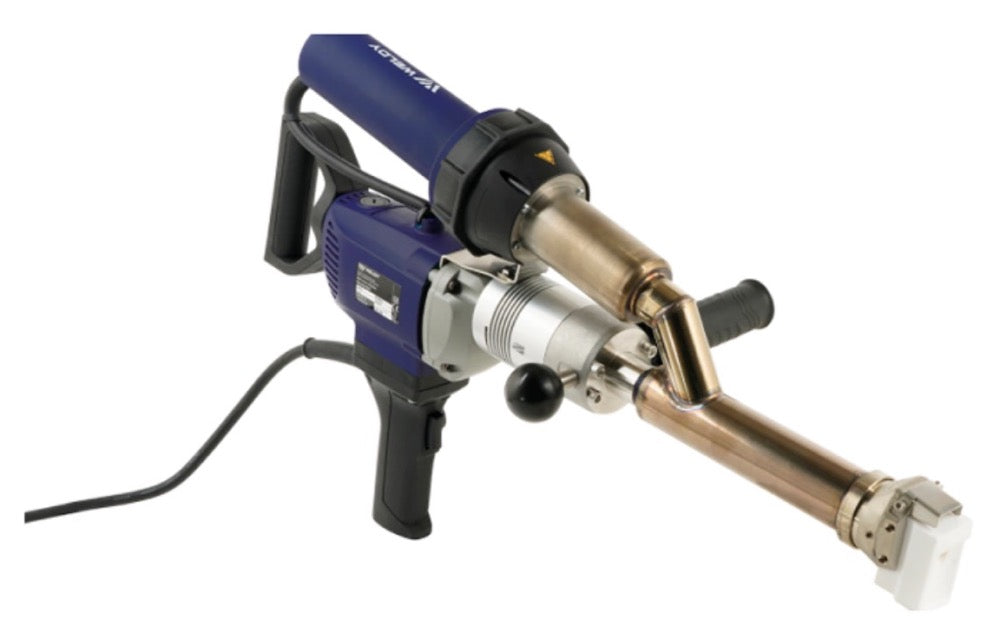
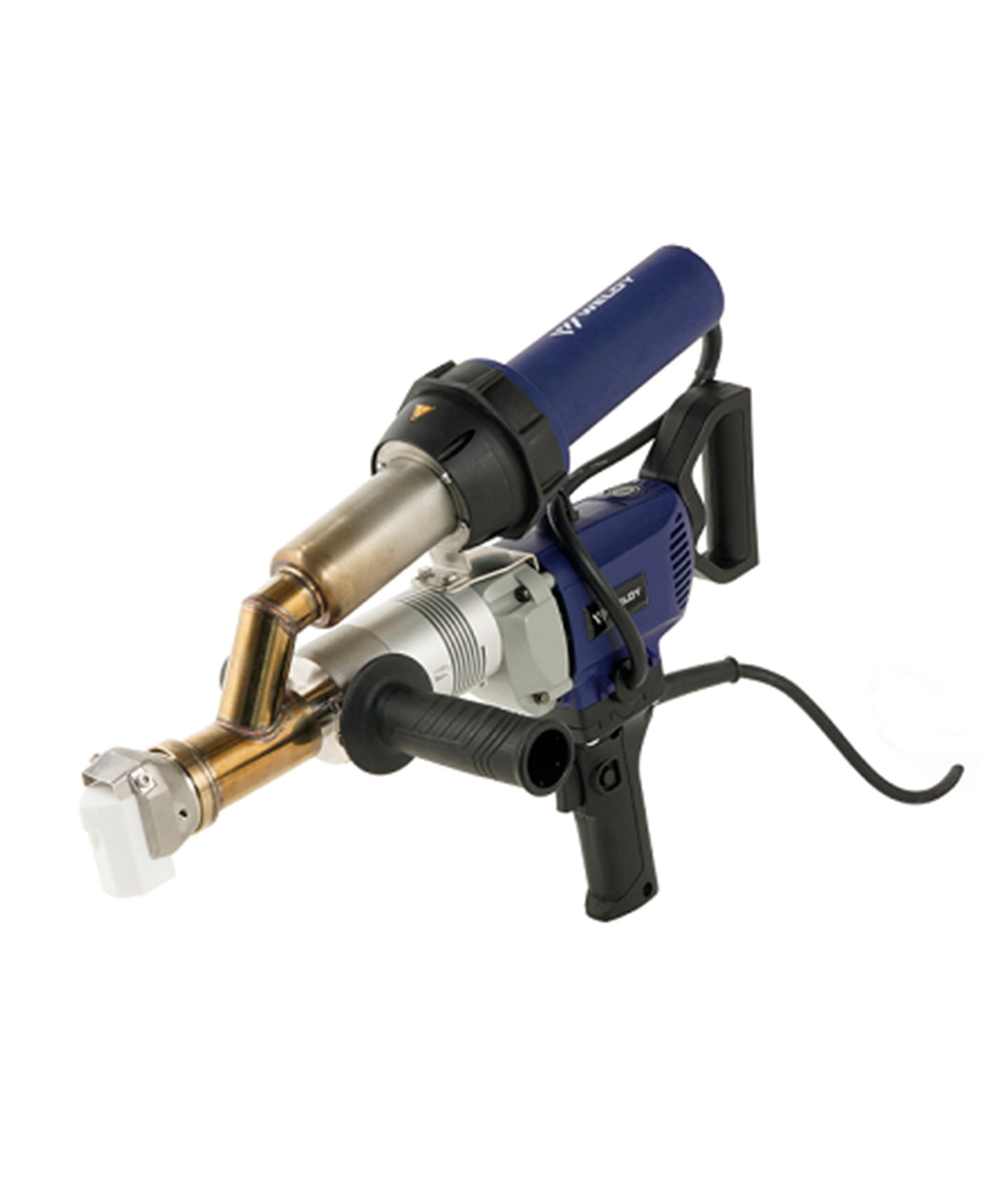
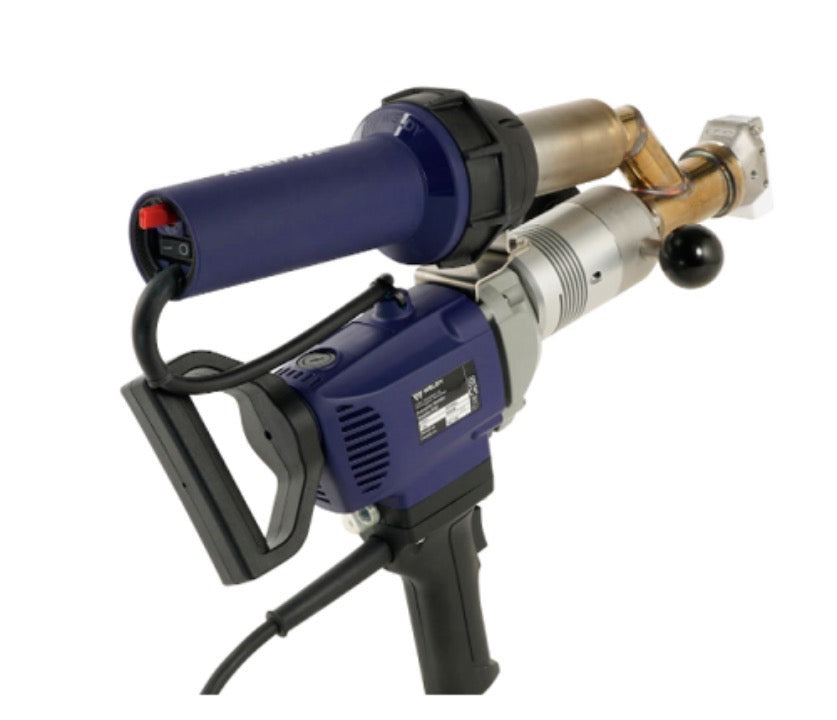
Where a repair is thicker than an overlap can close, or a joint has to be filled rather than lapped, rod-fed extrusion welding is used. The setup has three parts: the extruder, a compatible welding rod and the appropriate welding shoe.
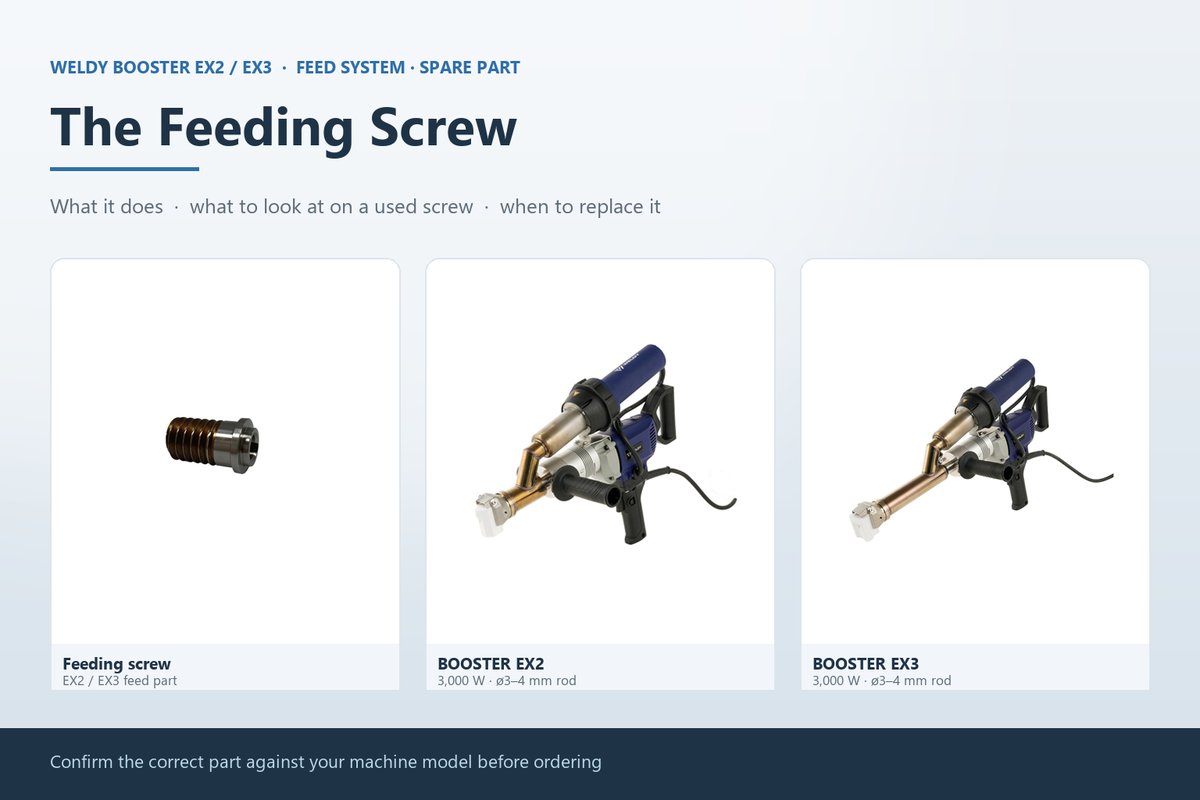
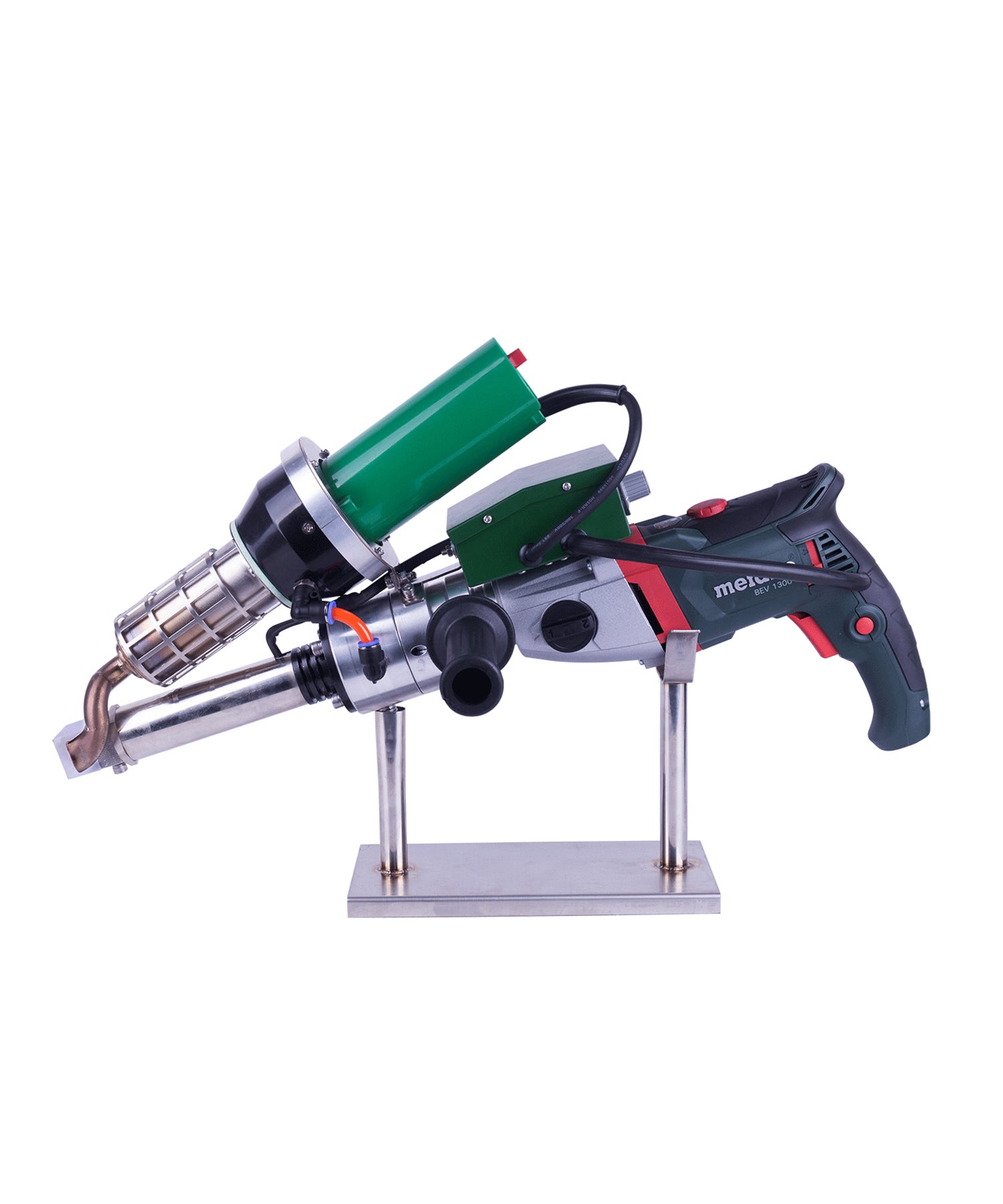
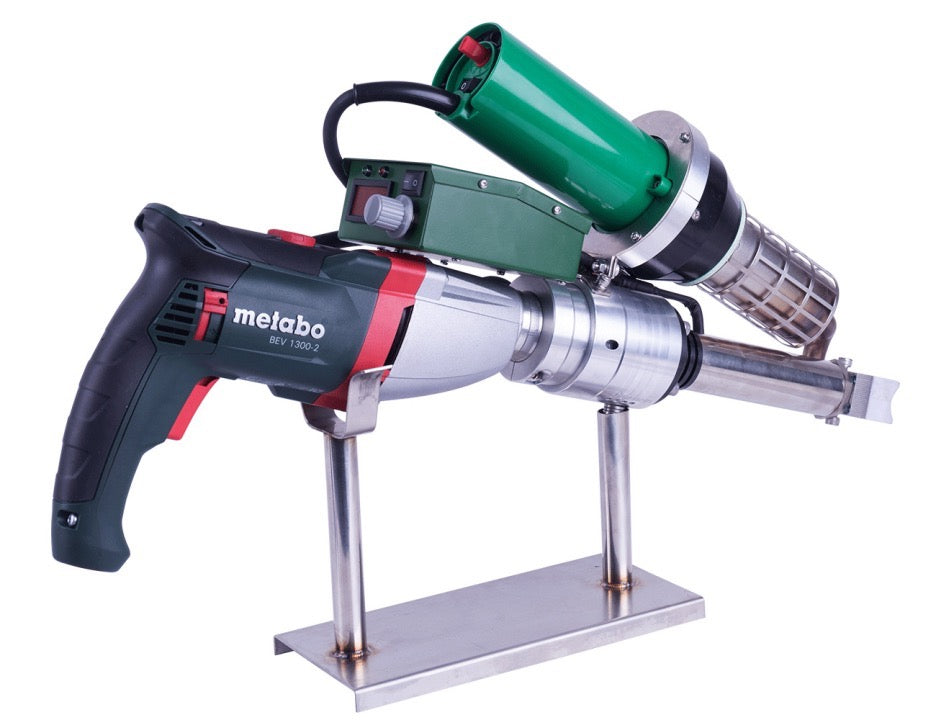
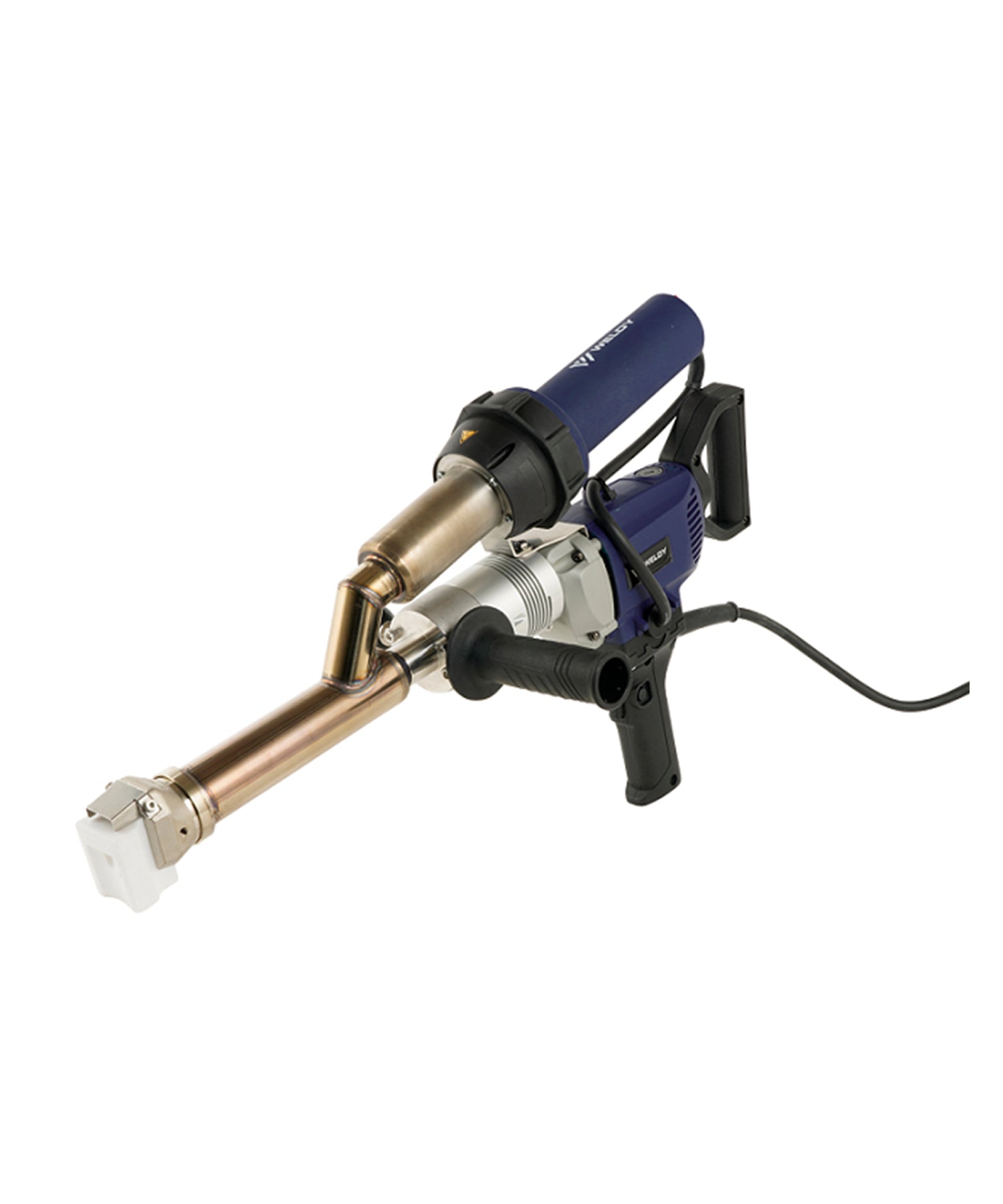
The Weldy BOOSTER EX2 and BOOSTER EX3 are 3,000 W hand extruders taking rod from Ø 3–4 mm, listed for membrane thicknesses of 10–15 mm and 15–25 mm respectively. The Weissenberg RYH1600D is built in our own factory, with a 1,300 W extruding motor, 1,600 W of hot air, 800 W of rod heating, a rod range of Ø 3.0–5.0 mm and a 7.2 kg weight. It carries a 1-year warranty and lifetime technical support.
- Welding rod. The rod belongs to the extrusion setup, not to the patch tools. It has to be compatible with the membrane being welded; HDPE welding rod is supplied in Ø 4 mm black.
- Welding shoe. The shoe shapes the weld as the rod is fed in, and it is matched to the joint and the rod in use. Profiles and part numbers are in our article on Weldy EX2/EX3 welding shoes.
The values to match are the rod diameter and the sheet thickness the machine is listed for. Temperature and output settings come from the membrane manufacturer’s welding instructions, and a trial weld confirms them.

Extruder, compatible rod and appropriate shoe cover the rod-fed repairs an overlap patch cannot close.
Match the Kit to the Repair
| Repair | Setup that applies |
|---|---|
| Puncture or small tear in sheet within the overlap range | Hot-air setup: gun, wide slot nozzle and silicone pressure roller, with a patch |
| Detail at a pipe boot, sump or corner | Narrower wide slot nozzle on the gun, or the extrusion setup where the procedure requires it |
| Open joint or thickness build-up | Extrusion setup: extruder, compatible rod and welding shoe |
| Holding a patch before welding | Tacking setup: tubular nozzle plus Ø 8.0 mm tacking nozzle |
Read the table from left to right: the repair decides the tools, and the membrane decides the settings. Where the procedure assigns a repair to extrusion welding, the extruder leads even when the damage looks small.
How to Confirm a Repair
- Take the procedure from the membrane manufacturer. The approved repair procedure defines how the repair is made and what it has to meet.
- Trial weld a sample of the membrane you are installing. A trial weld confirms that the tool setup produces the repair the project requires before it is made on the liner.
- Agree the acceptance criteria before the repair. What is checked, and against which project requirement, belongs in the project documentation.
- Re-confirm when something changes. A different roll, gauge, patch material or weather pattern is a reason to check the setup again.
A field check on a finished repair does not replace the trial weld used to establish the setup, and any repair is carried out according to the membrane manufacturer’s approved repair procedure.
Where to Start
- Start from the damage. A puncture and an open joint do not call for the same setup.
- Start from the procedure. The manufacturer’s repair procedure decides whether a repair is overlap-welded or rod-fed.
- Match the nozzle to the gun, not the other way round. A nozzle that does not seat on the Ø 31.5 mm connection needs the right interface part.
- Confirm the voltage version on the product page. A unit built for one supply is not intended to run on another.
The geomembrane repair tools we supply are collected across our hot air gun, extrusion welder and accessories ranges. Tell us the membrane, the gauge and the damage, and our technical team will point you to the setup that matches. For the wider picture, see HDPE vs LLDPE geomembrane welding.






Leave a comment
This site is protected by hCaptcha and the hCaptcha Privacy Policy and Terms of Service apply.