
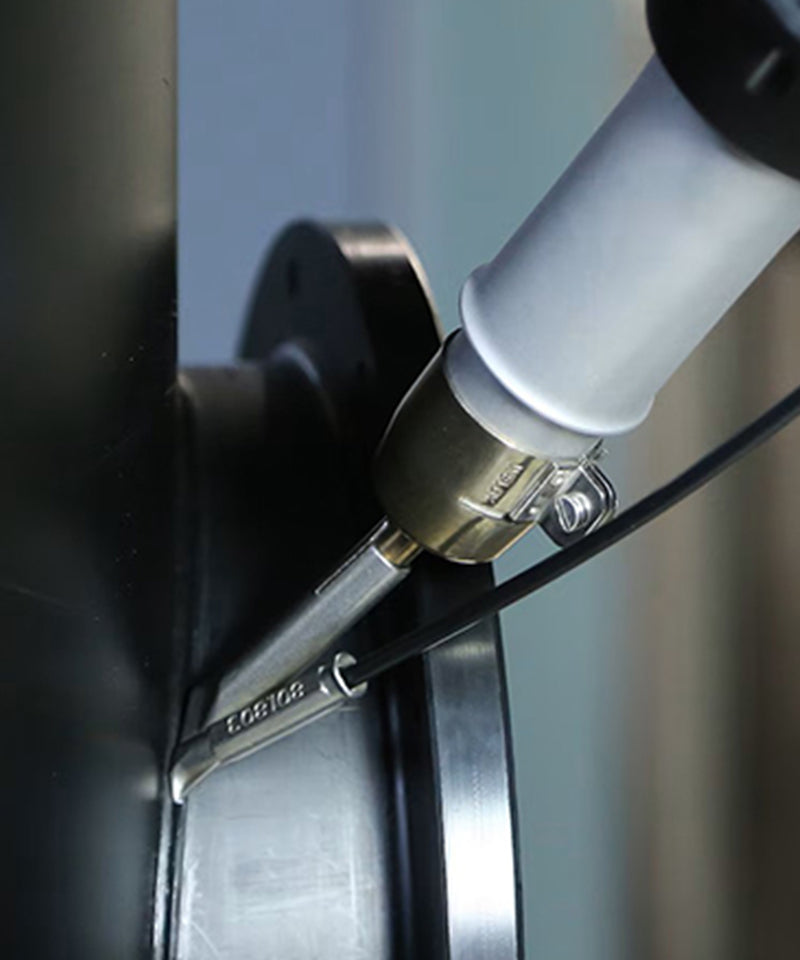
Quick Accessory Guide
Nozzles control heat distribution — pick by welding style (speed, overlap, tacking). Rollers ensure consistent fusion pressure — 40 mm silicone is the all-rounder. Welding rods must match your parent plastic (HDPE, PP, PVC, PVDF). Maintenance — clean nozzles daily, inspect rollers monthly.
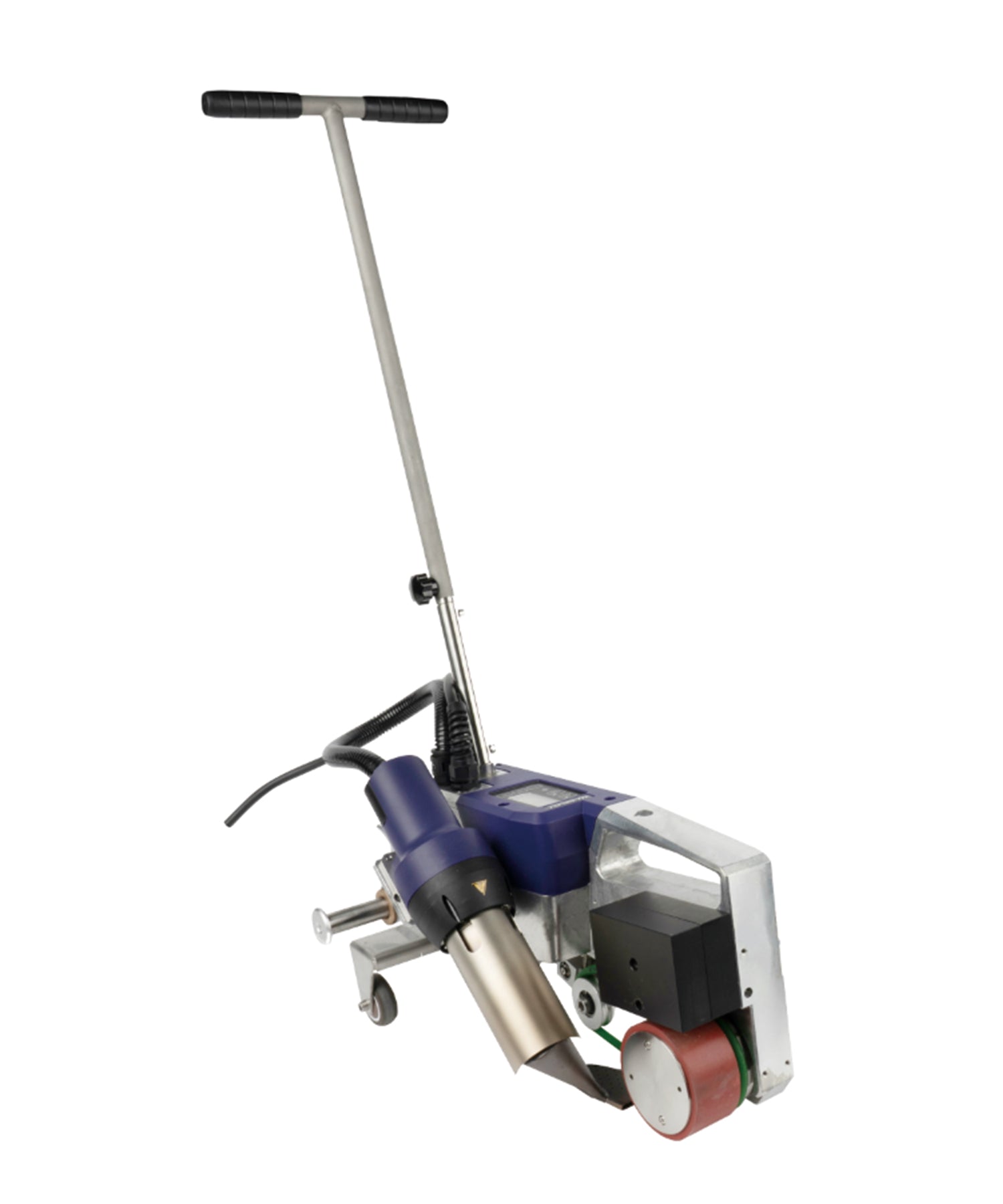
When professionals invest in a Weldy hot air gun or extrusion welder, they often focus on the tool itself. But the accessories—nozzles, pressure rollers, welding rods, and replacement parts—are what truly determine weld quality, productivity, and long-term equipment value. In this guide, the Weissenberg Technical Team breaks down everything you need to know about selecting, using, and maintaining plastic welding accessories.
How to Build the Right Accessory Kit for Your Application
Selecting accessories should be driven by your specific applications, not by convenience. Use this quick-reference table to build your kit:
| Application | Recommended Nozzle | Recommended Roller | Welding Rod |
|---|---|---|---|
| Roofing membrane (PVC/TPO) | 40 mm wide slot | 40 mm silicone | Not required (overlap) |
| Tank fabrication (HDPE/PP) | 5 mm speed welding | 30 mm silicone | 4 mm round HDPE |
| Tarpaulin & banner welding | 20 mm wide slot | 40 mm silicone | Not required (overlap) |
| Pipe welding (PE/PP) | 4 mm speed welding | 30 mm silicone | 4 mm round PE/PP |
| Precision repair & detail work | Tubular (pencil) nozzle | 30 mm silicone | 4 mm round HDPE |
Why Accessories Matter: The Hidden Drivers of Weld Quality
A hot air gun without the right nozzle is like a drill without the right bit. The nozzle controls how heat is distributed across the weld zone. The roller determines how much pressure is applied and how uniformly. The welding rod becomes part of the finished joint—if it’s the wrong material or profile, the weld will fail. Industry standards such as DVS 2207-3 (Hot-gas welding of thermoplastics, including process methods and requirements) and DVS 2211 (covers marking, requirements, and testing for thermoplastic welding fillers) exist precisely because accessory selection is not optional—it is engineering. For a deeper dive into how these standards apply to specific tools, see our HT1600 & HT3400 welding techniques guide.
Welding Nozzles: Types, Sizes, and Applications
The nozzle is the single most swapped accessory on any hot air welding tool. Different welding tasks demand different airflow patterns, and selecting the correct nozzle can mean the difference between a clean, strong seam and a burned, weak joint.
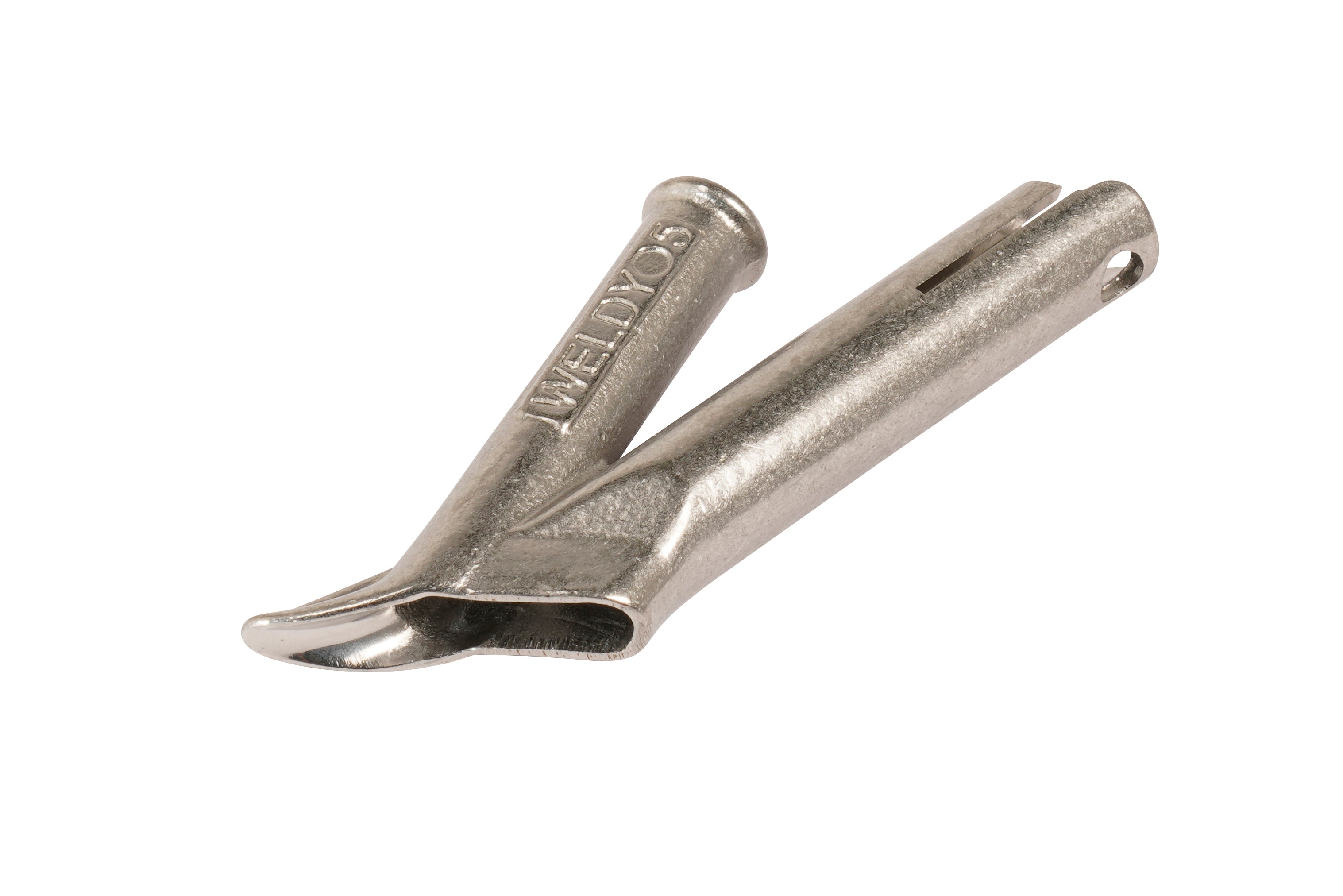
Speed Welding Nozzles
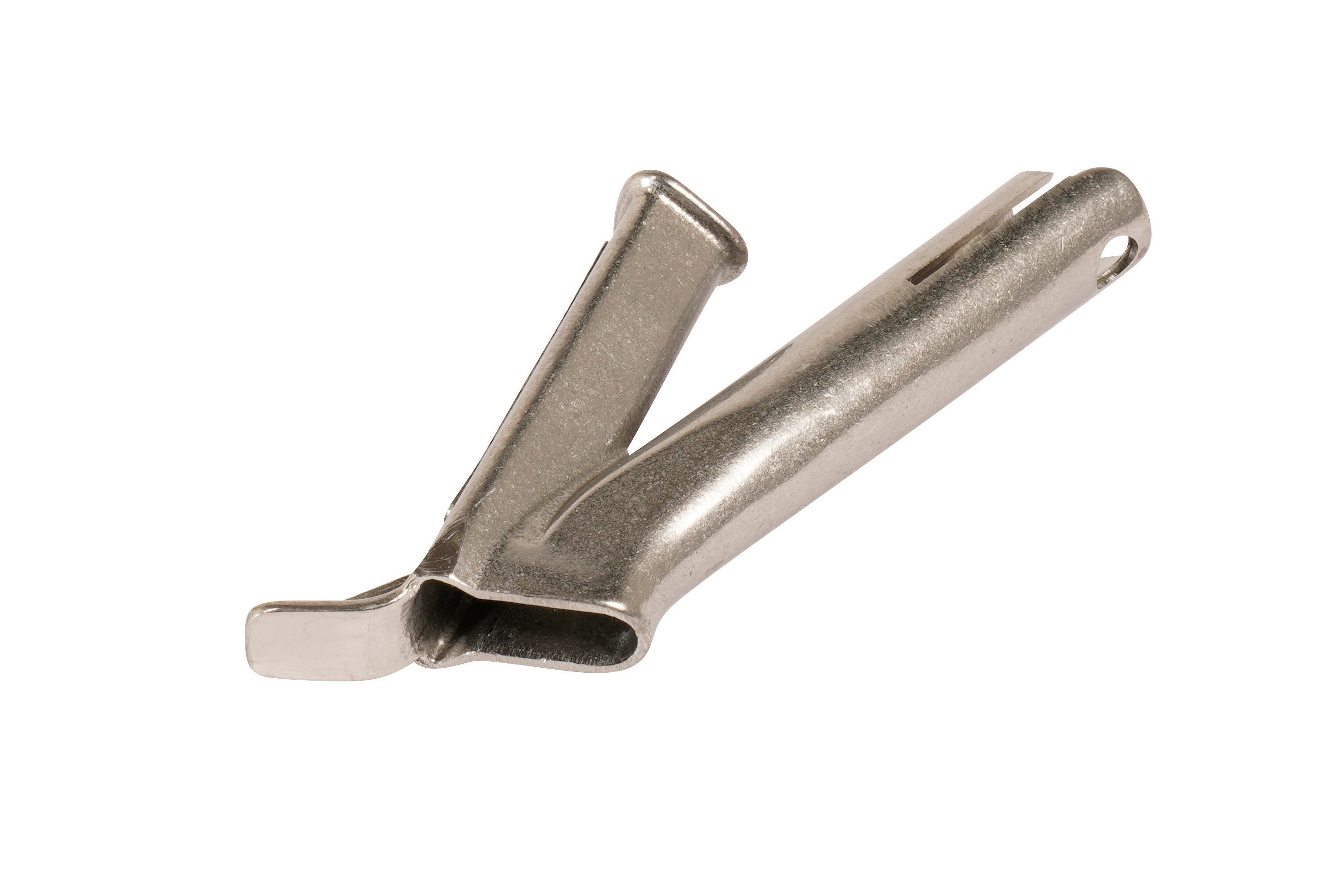
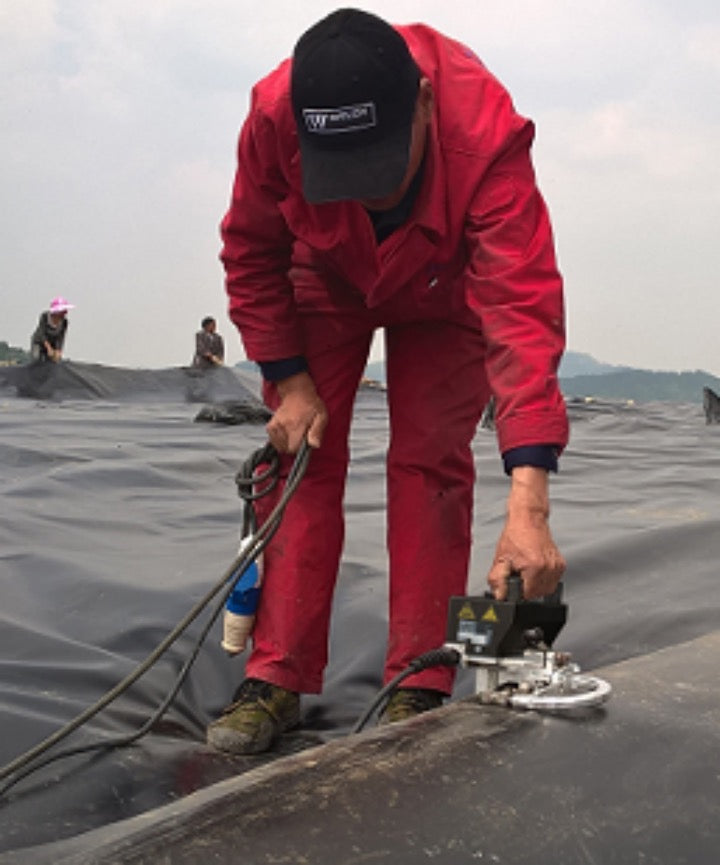
Speed welding nozzles combine hot air delivery with rod feeding in a single motion, enabling continuous, efficient welding. Available in round profiles (3 mm, 4 mm, 5 mm) and triangular profiles (5 mm, 7 mm), they are the workhorse nozzles for fabrication, tank welding, and pipe work. Round nozzles suit general repair and pendulum welding, while triangular nozzles excel at fast V-groove filling on structural joints. Shop the 5 mm speed welding nozzle or the 4 mm speed welding nozzle for your Weldy hot air gun.
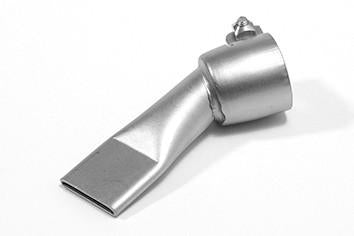
Wide Slot Nozzles for Overlap Welding
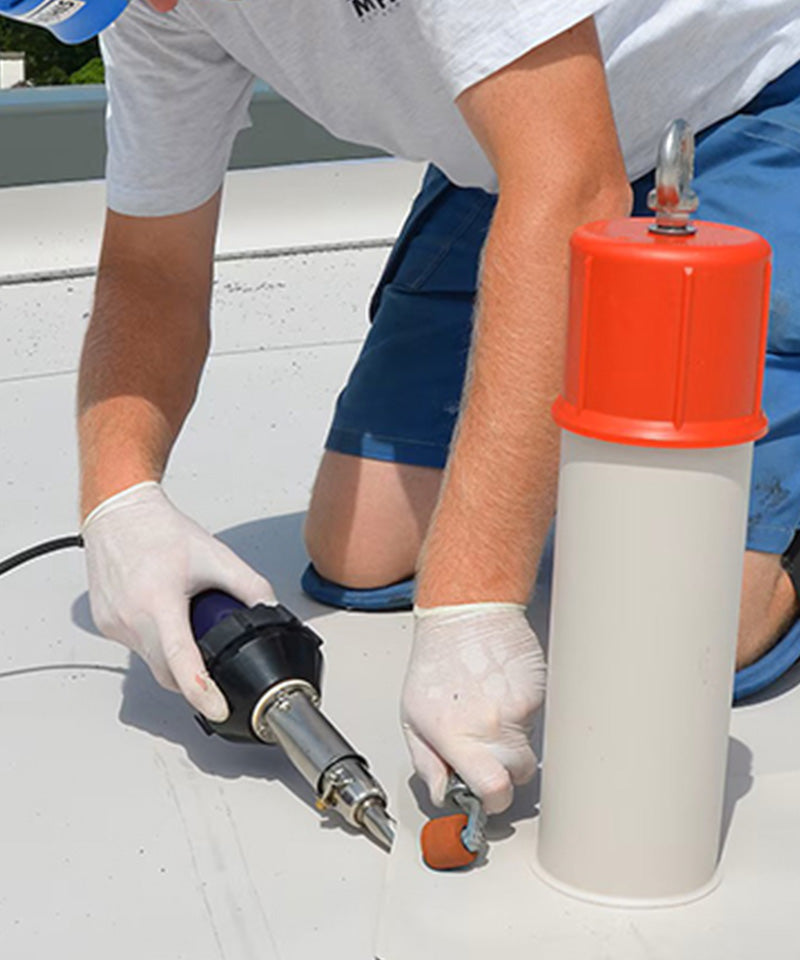
Wide slot nozzles distribute hot air across a broad, flat surface—ideal for overlap welding of roofing membranes, tarpaulins, banners, and geomembranes. The 20 mm wide slot nozzle handles narrower seams and detail work near parapets and edges, while the 40 mm wide slot nozzle covers large surface areas for maximum productivity on commercial roofing jobs. For even wider seams, the 50 mm wide slot nozzle is available for high-throughput geomembrane applications.
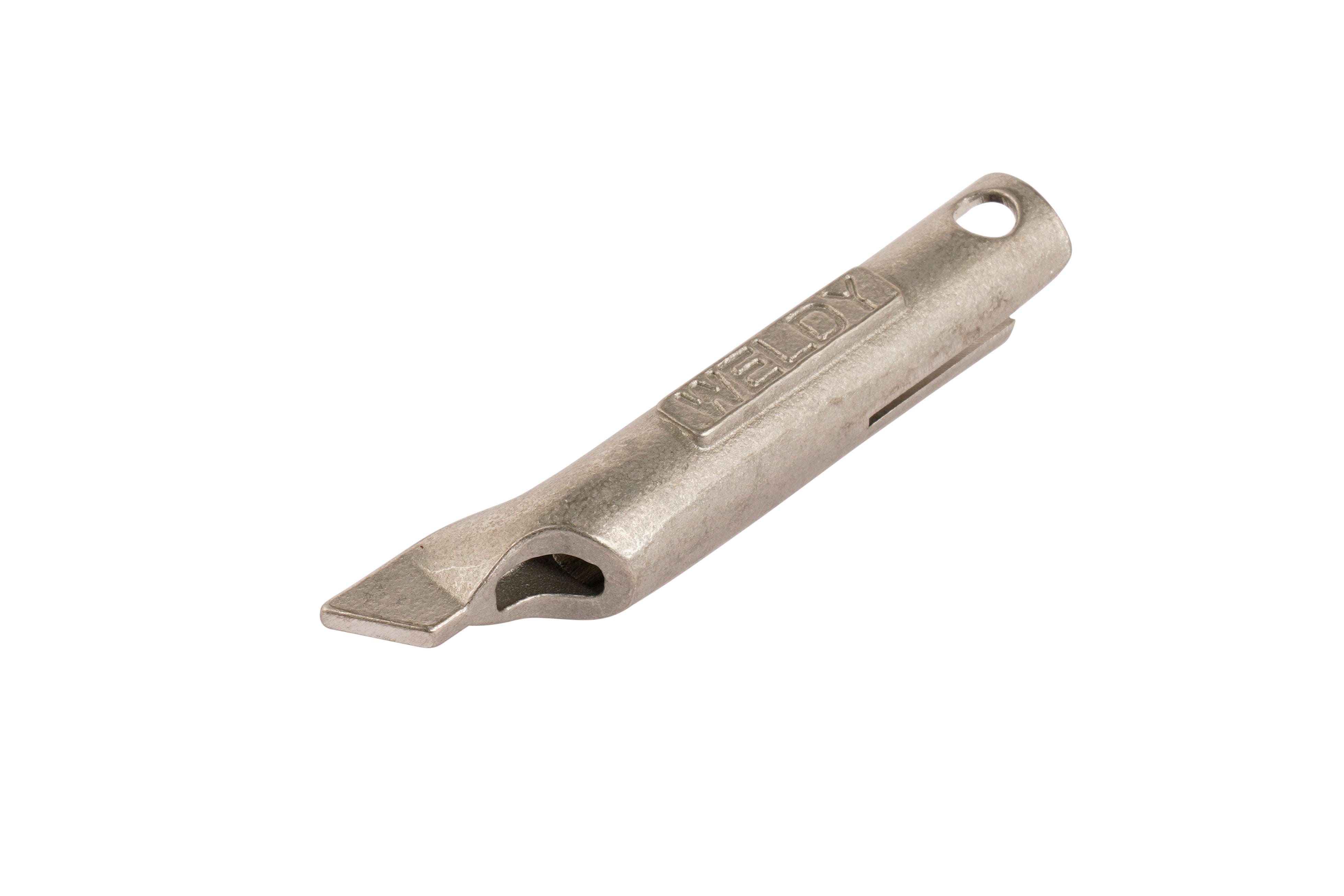
Tacking and Specialty Nozzles
Tacking nozzles create small temporary welds to hold components in alignment before the final weld—preventing shifting and ensuring accuracy. Spoon reflector nozzles direct heat around cylindrical objects for uniform preheating, while tubular (pencil) nozzles concentrate hot air into a focused stream for precision work in confined spaces.
Which Accessories Fit My Weldy Tool?
Different Weldy tools use different accessory ecosystems. Here’s a quick cross-reference to help you find the right parts:
| Tool | Compatible Nozzles | Compatible Rollers | Key Spare Parts | Learn More |
|---|---|---|---|---|
| HT1600 | 5 mm speed, 20 mm wide slot, 40 mm wide slot, tacking | 40 mm silicone, 30 mm silicone | Heating element 230V | HT1600 vs HT3400 Guide |
| HT3400 | 5 mm speed, 40 mm wide slot, tacking, spoon reflector | 40 mm silicone | Heating element 230V/3300W | HT1600 vs HT3400 Guide |
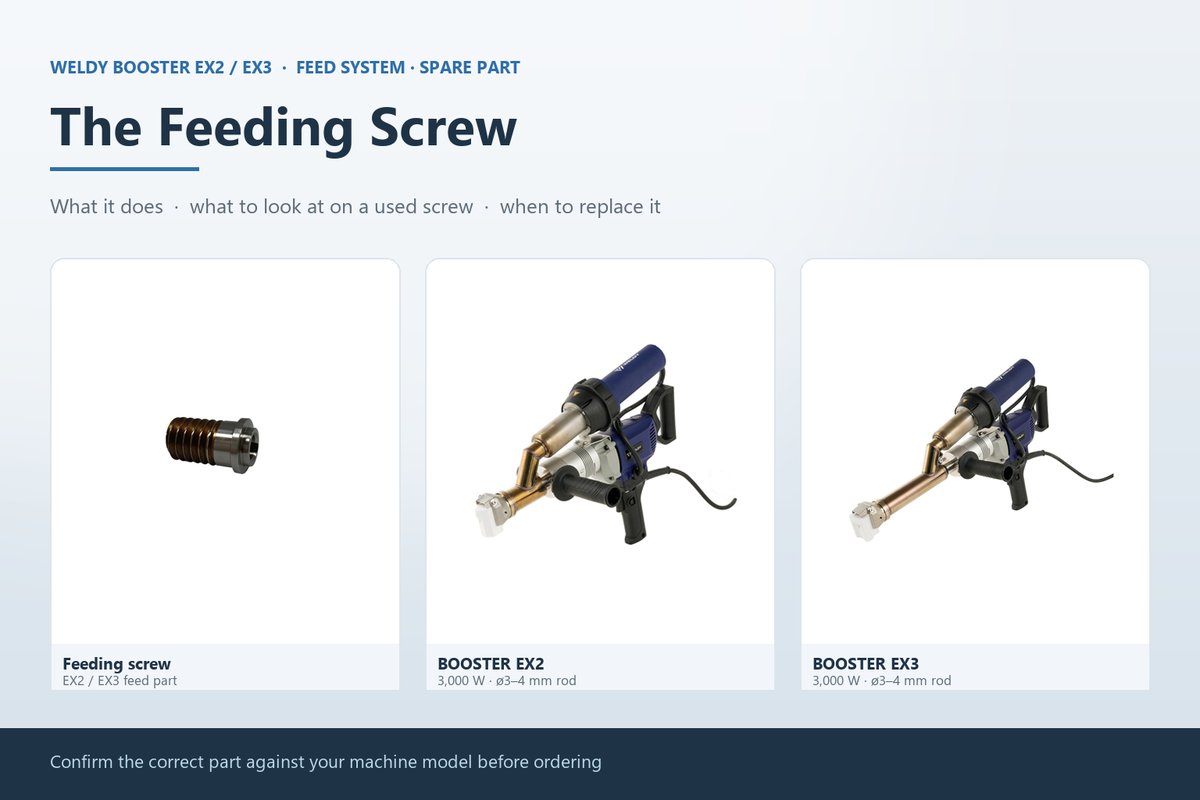
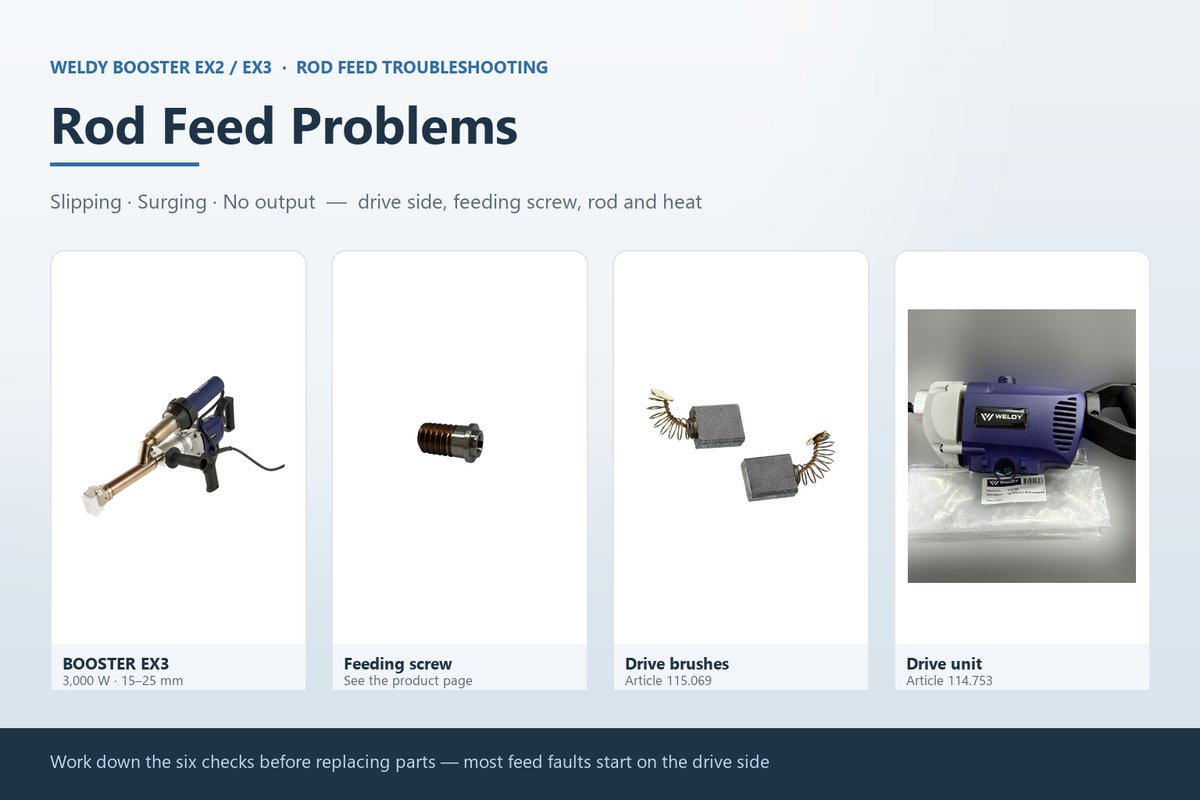
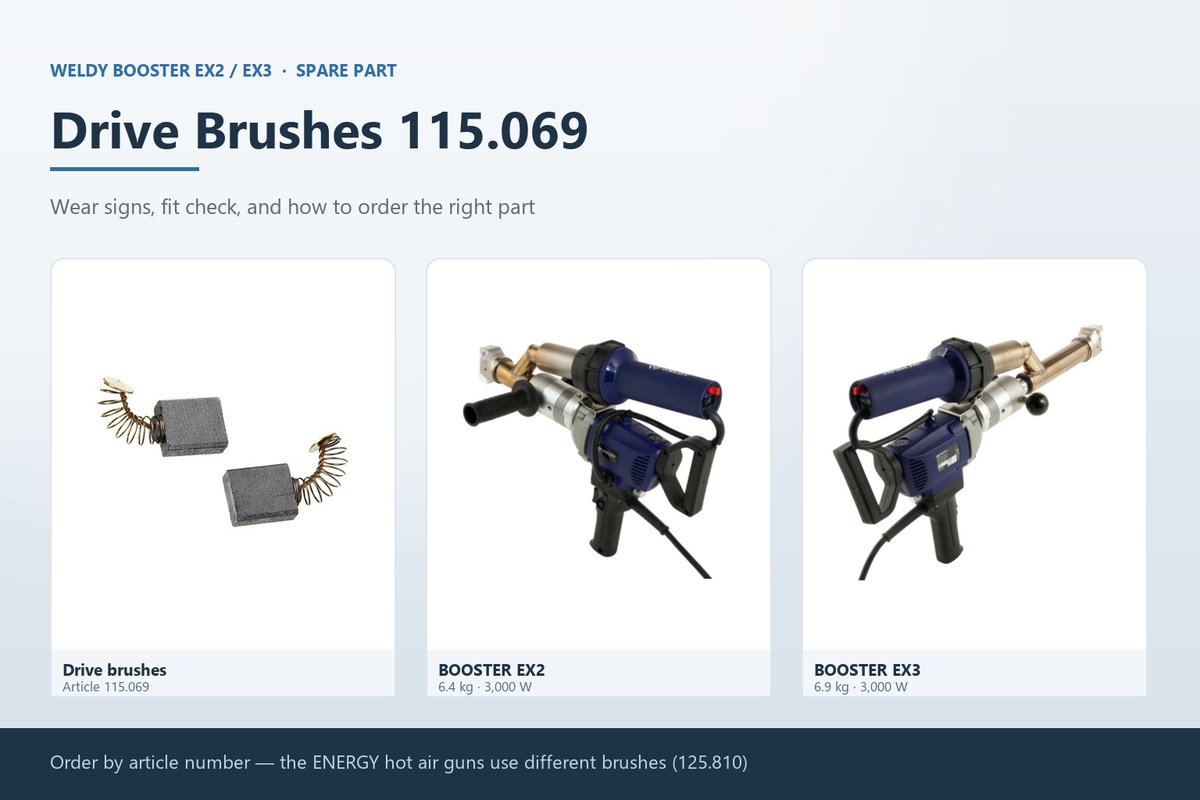
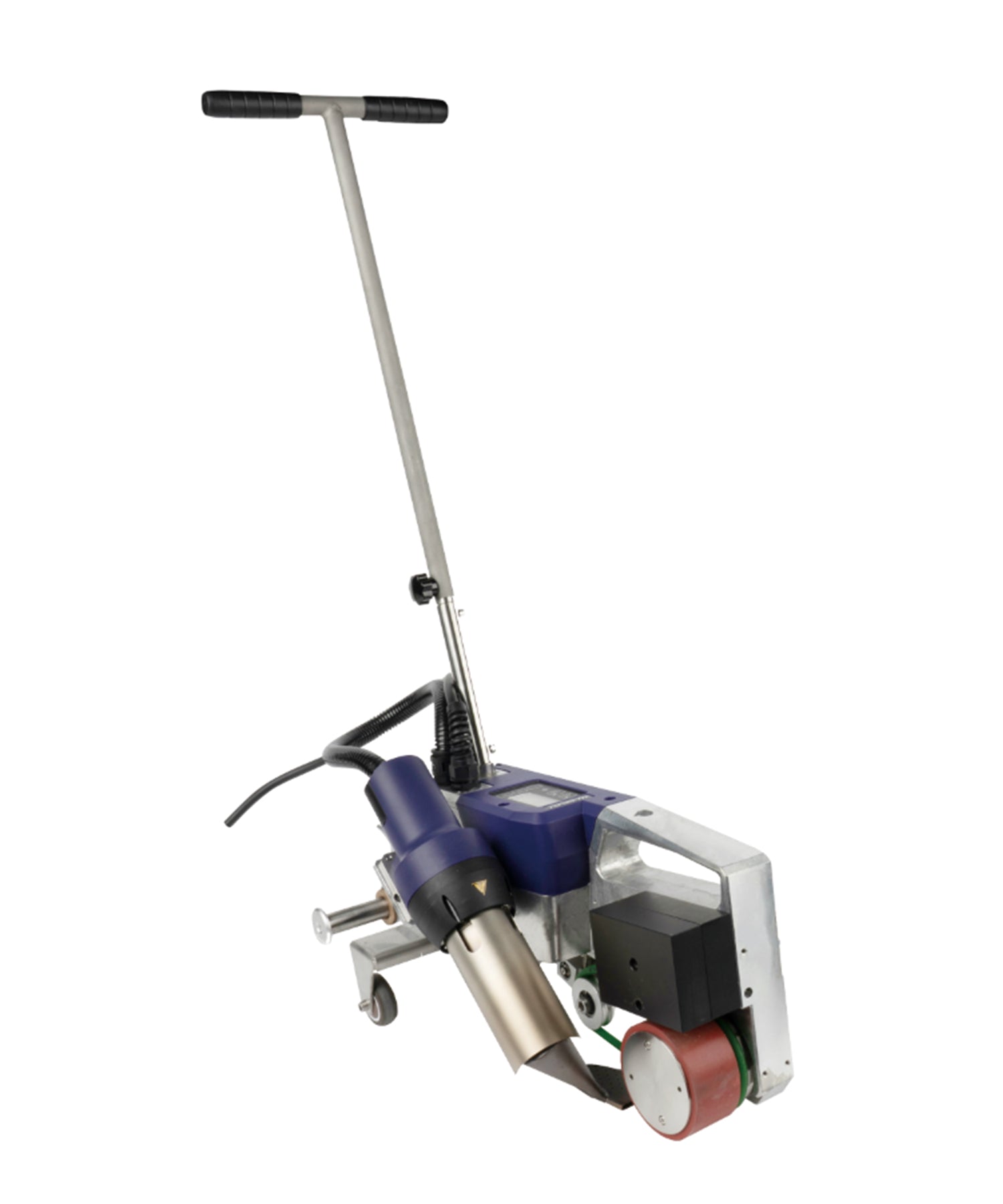
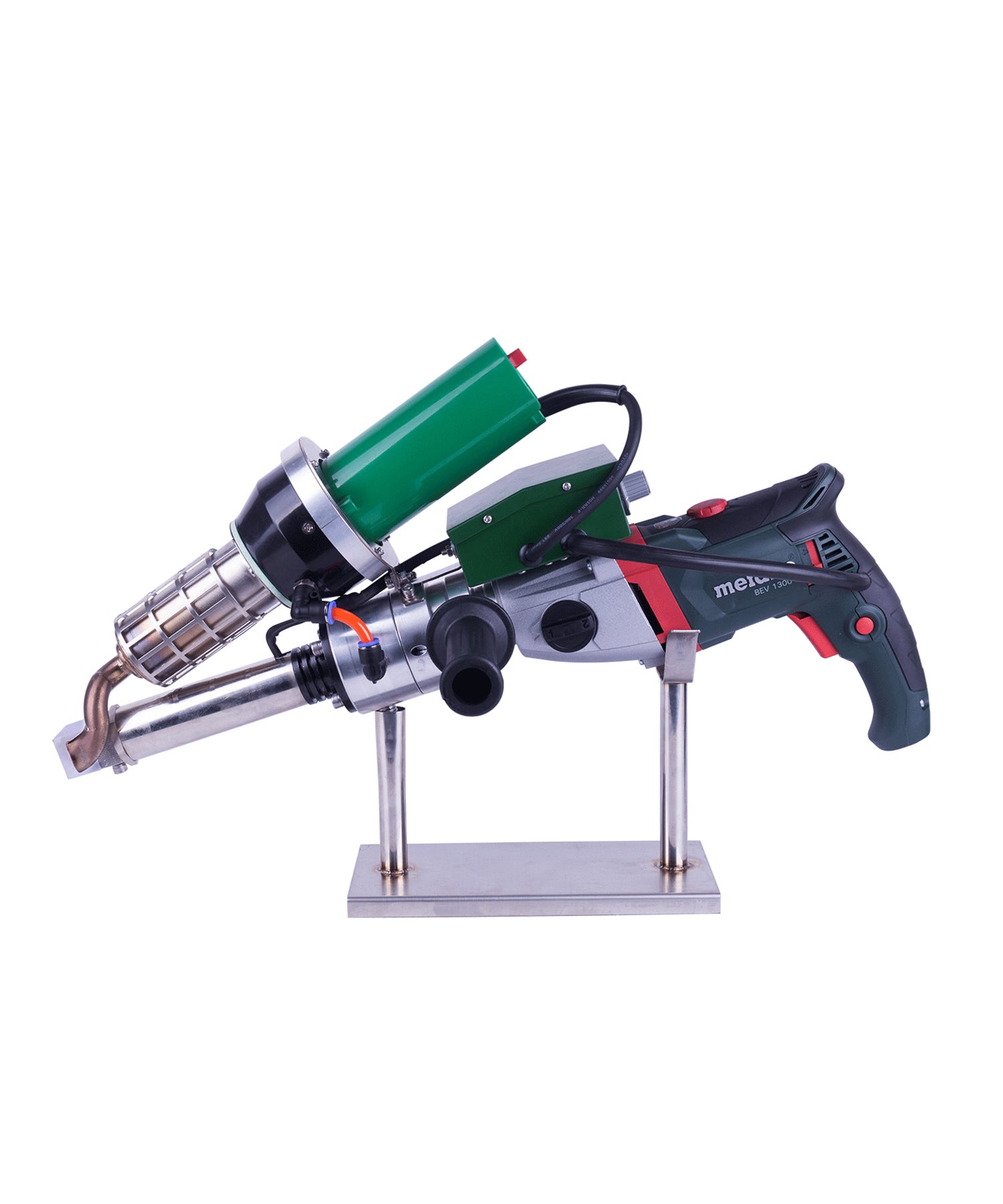
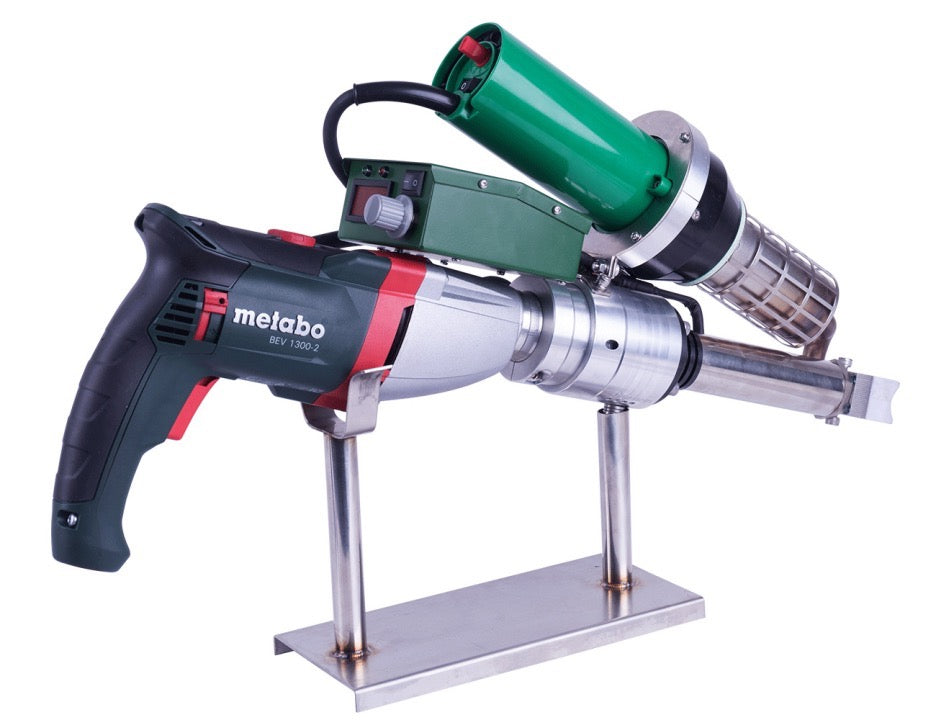
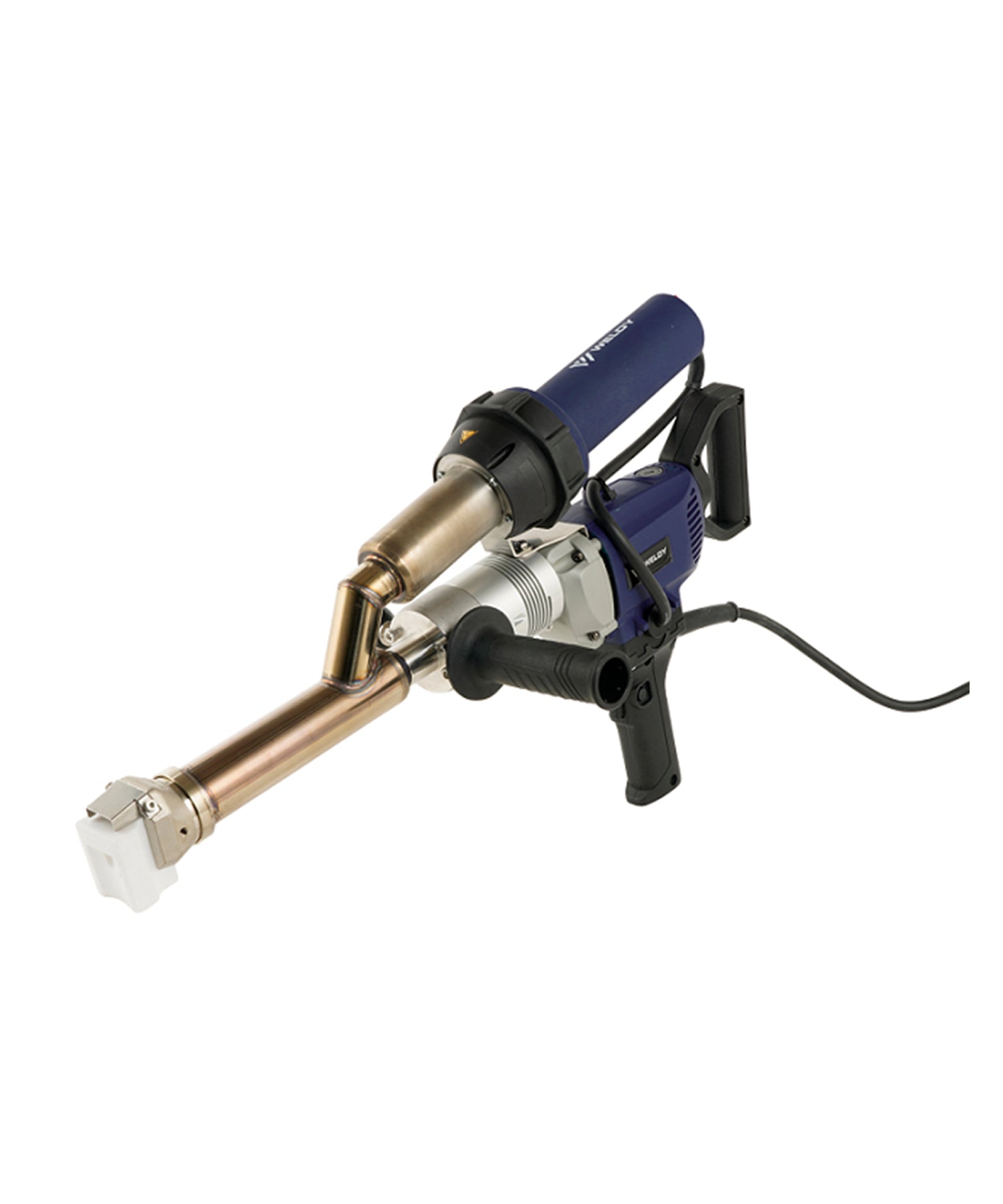
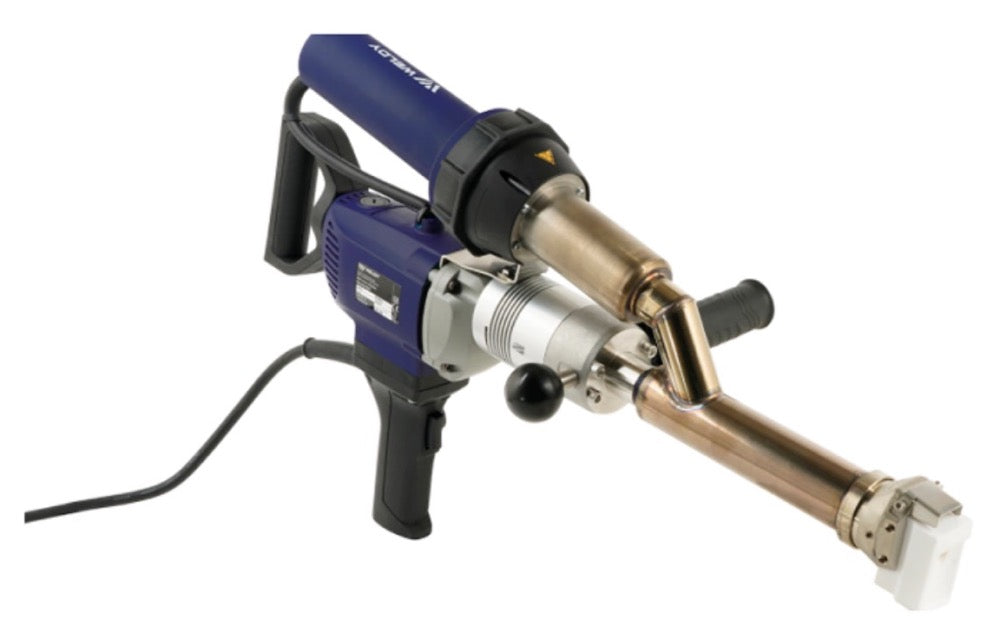
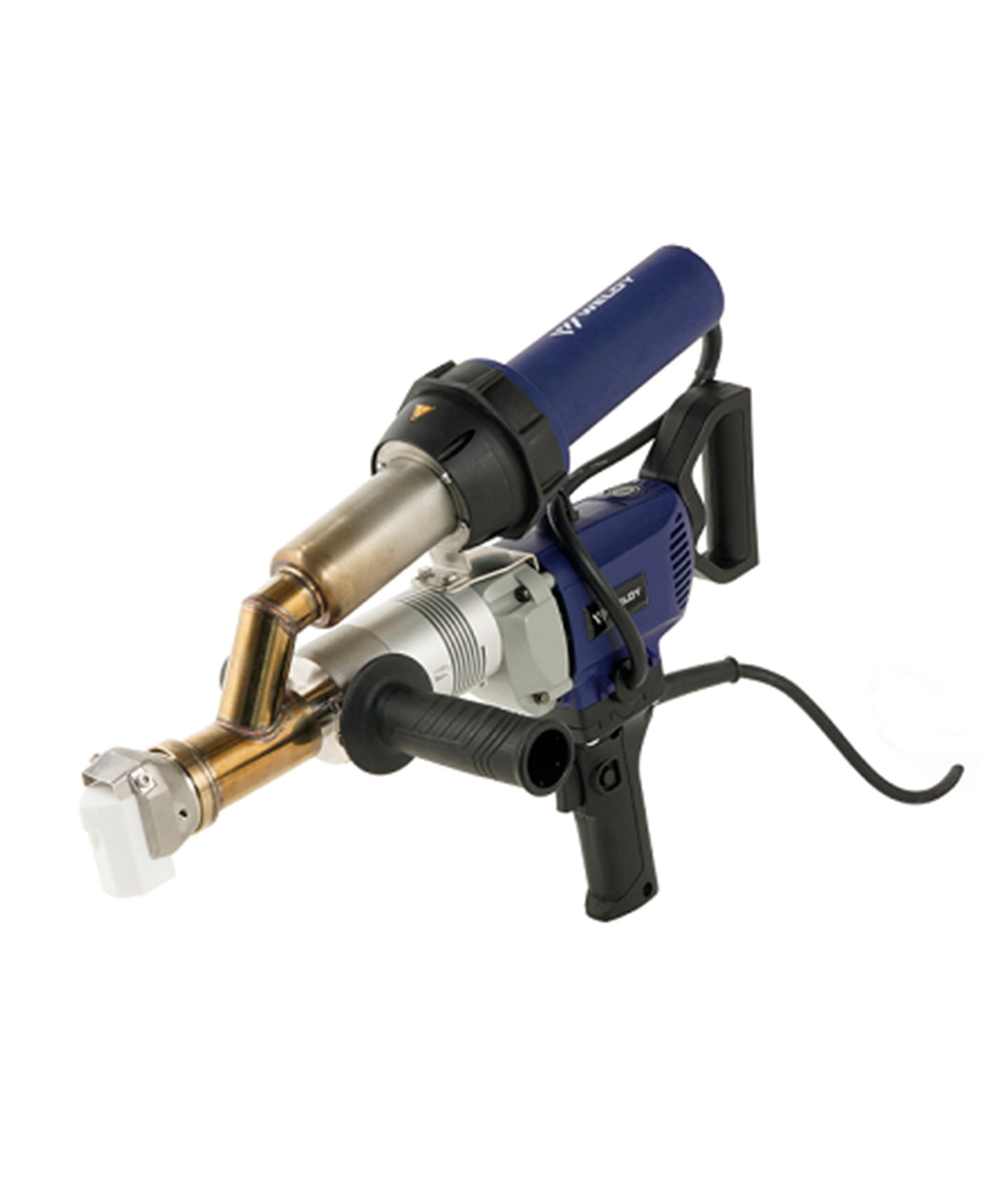
| Booster EX2 | Welding shoes (various profiles), tacking nozzle (pre-heat) | 40 mm silicone (for pre-tack) | drive brushes, feeding screw | Booster EX2/EX3 Guide |
| Booster EX3 | Welding shoes (larger profiles), tacking nozzle (pre-heat) | 40 mm silicone (for pre-tack) | drive brushes, feeding screw | Booster EX2/EX3 Guide |
For a full comparison of the HT1600 and HT3400 hot air guns — including temperature ranges, airflow, and application suitability — read our complete HT1600 vs HT3400 welding guide. For extrusion welding process parameters, rod selection, and best practices with the Booster series, see our Booster EX2 & EX3 extrusion welding guide.
Pressure Rollers: The Unsung Heroes of Consistent Seams

Even with perfect heat delivery, a weld fails without consistent pressure. Pressure rollers ensure that the molten surfaces fuse at the molecular level, eliminating air pockets and creating uniform bead formation. The most common types include:
- Silicone roller, 40 mm: Heat-resistant up to 260°C, ideal for overlap welding of PVC, TPO, and HDPE membranes. The 40 mm size is a widely used size for roofing and tarpaulin work.
- Silicone roller, 30 mm: Compact size for detail work, pipe welding, and tighter curves.
- PTFE rollers: Non-stick surface for high-temperature applications where material adhesion is a concern.
- Brass corner rollers: For detail work in tight spaces, inside corners, and complex geometries.
A quality silicone roller features smooth-action bearings and an ergonomic handle, reducing operator fatigue during long welding sessions. The roller surface should be inspected regularly for wear—a grooved or pitted roller produces uneven pressure and weak seams.
Welding Rods: Material Compatibility and Profile Selection
Welding rods are not generic consumables. The rod material must match the parent plastic to achieve molecular fusion—mismatched materials result in weak joints, cracking, and premature failure. Below is a quick reference table based on DVS 2207-3 guidelines:
| Base Plastic | Compatible Rod | Welding Temp (°C) | Difficulty |
|---|---|---|---|
| HDPE | PE Rod (4 mm) | 270–310 | Medium |
| PP | PP Rod | 300–330 | Medium |
| PVC | PVC Rod | 260–300 | Easy |
| PVDF | PVDF Rod | 230–260 | Hard |
Plastic welding rods are commonly available in round, triangular, and flat profiles.
- Round rod (3 mm, 4 mm, 5 mm): The universal choice for general fabrication, pipe and tank welding, and automotive plastics. The 4 mm round HDPE rod is the most commonly used size.
- Triangular rod (5 mm, 7 mm): Wedge profile that sits neatly into V-grooves, presenting more surface area for fusion in a single pass—faster welds with more filler material per metre.
- Tape (flat) rod (8 mm × 2 mm): Wide flat profile for surface bonding, vinyl floor seaming, and shallow joint repairs.
Maintenance Best Practices for Longevity and Performance
Accessories are wear items, but proper maintenance dramatically extends their service life and maintains weld quality:
- Daily nozzle cleaning: Remove plastic residue after each use with a brass wire brush while the nozzle is still warm. A clogged nozzle disrupts airflow and causes overheating.
- Roller inspection: Check the silicone surface for grooves, cracks, or contamination. Replace when the surface shows visible grooves, cracks, or loss of elasticity, rather than on a fixed time schedule.
- Carbon brush monitoring: For tools with brushed motors (HT1600, HT3400), inspect carbon brushes monthly. Replace when worn to one-third of original length to prevent motor damage.
- Calibration verification: For critical welding applications, periodically verify temperature accuracy using suitable measuring equipment. The verification interval should be determined by equipment usage, project requirements, and your quality control procedures.
- Proper storage: Store all accessories in the provided transport case in a dry environment. Protect nozzles from impact—even slight deformation changes airflow patterns and weld quality.
Why Genuine Weldy Accessories Matter
Non-genuine accessories may appear similar, but they often deviate in critical dimensions: nozzle bore diameter, slot width, roller hardness, and material composition. These deviations directly impact weld quality and can void equipment warranties. Genuine Weldy accessories, available through authorized distributors like Weissenberg, guarantee:
- Precise dimensional tolerances per DVS 2207-3 and DVS 2211 standards
- Material compatibility verified by the manufacturer
- Full traceability and warranty support
- Technical guidance from a team with 20+ years of plastic welding experience
Ready to Upgrade Your Welding Kit?
Browse the full range of genuine Weldy nozzles, rollers, welding rods, and spare parts.
Not sure which nozzle or rod fits your tool? Contact us with your model and application.
Author: Weissenberg Technical Team | 20+ Years in Plastic Welding Industry. Standards referenced: DVS 2207-3 (Hot-gas welding of thermoplastics, including process methods and requirements), DVS 2211 (marking, requirements, and testing for thermoplastic welding fillers). This article is for informational purposes; product specifications may vary by model and region. Always refer to the official product manual for exact parameters.





Leave a comment
This site is protected by hCaptcha and the hCaptcha Privacy Policy and Terms of Service apply.