
Heat guns have long been a staple in DIY projects, electronics repair, crafting, and home improvement tasks. Traditionally, they are tethered by power cords, limiting flexibility and sometimes posing safety hazards. Enter the new generation of cordless lithium battery heat guns—a revolutionary design that promises freedom, convenience, and performance without compromise.
Why Cordless Heat Guns Are a Game-Changer
The primary advantage of a cordless heat gun is obvious: mobility. Without cords, users can move freely across workspaces, reach tight corners, and operate safely in locations without nearby power outlets. This innovation is particularly useful for professional craftsmen, hobbyists, and DIY enthusiasts who value flexibility in their work environment.
- Enhanced Safety: No dangling cords reduces tripping hazards and accidental disconnections.
- Portability: Ideal for outdoor projects, vehicle repairs, and locations without power access.
- Ergonomic Design: Lightweight lithium batteries reduce fatigue during prolonged use.
Performance Powered by Lithium Batteries
Lithium batteries are known for high energy density, long cycle life, and rapid charging capabilities. In a heat gun, this means users can expect consistent heat output comparable to corded models. The integration of modern battery management systems ensures safety, prevents overheating, and optimizes energy use.
- Fast Charging: Many cordless heat guns reach full charge in under an hour.
- Long Runtime: Depending on the model and temperature setting, cordless heat guns can run 30–60 minutes continuously.
- Stable Heat Output: Intelligent circuitry maintains consistent temperature for precise work.
Practical Applications and Real-World Experience
During hands-on tests, the cordless heat gun proved its versatility. Users could tackle a variety of tasks without repositioning extension cords or worrying about outlet locations. From stripping paint and shrinking tubing to drying adhesives and crafting projects, the heat gun delivered professional-level results with ease.
- Home Improvement: Efficiently remove wallpaper, soften paint, and seal flooring edges.
- Automotive Repairs: Bend plastics, shrink wiring tubes, and remove decals effortlessly.
- Crafting & DIY: Perfect for resin projects, embossing, and model construction.
Ergonomic and Intelligent Features
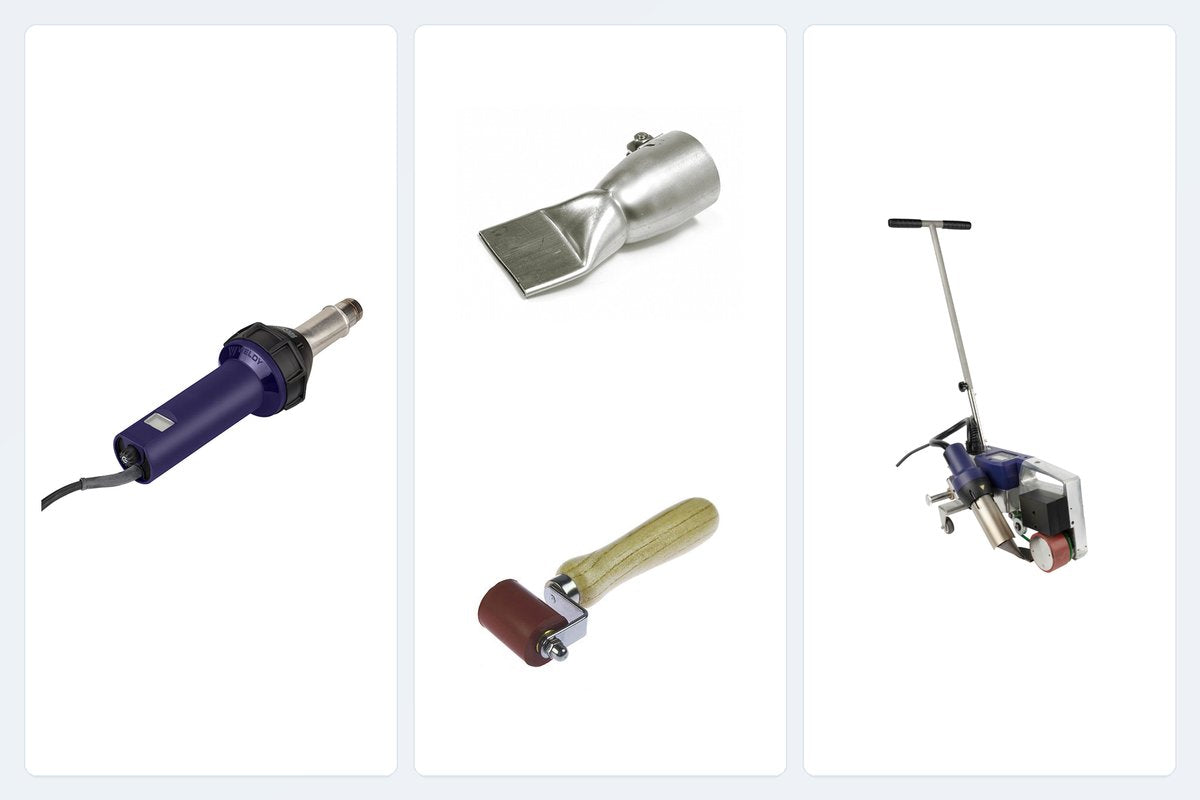
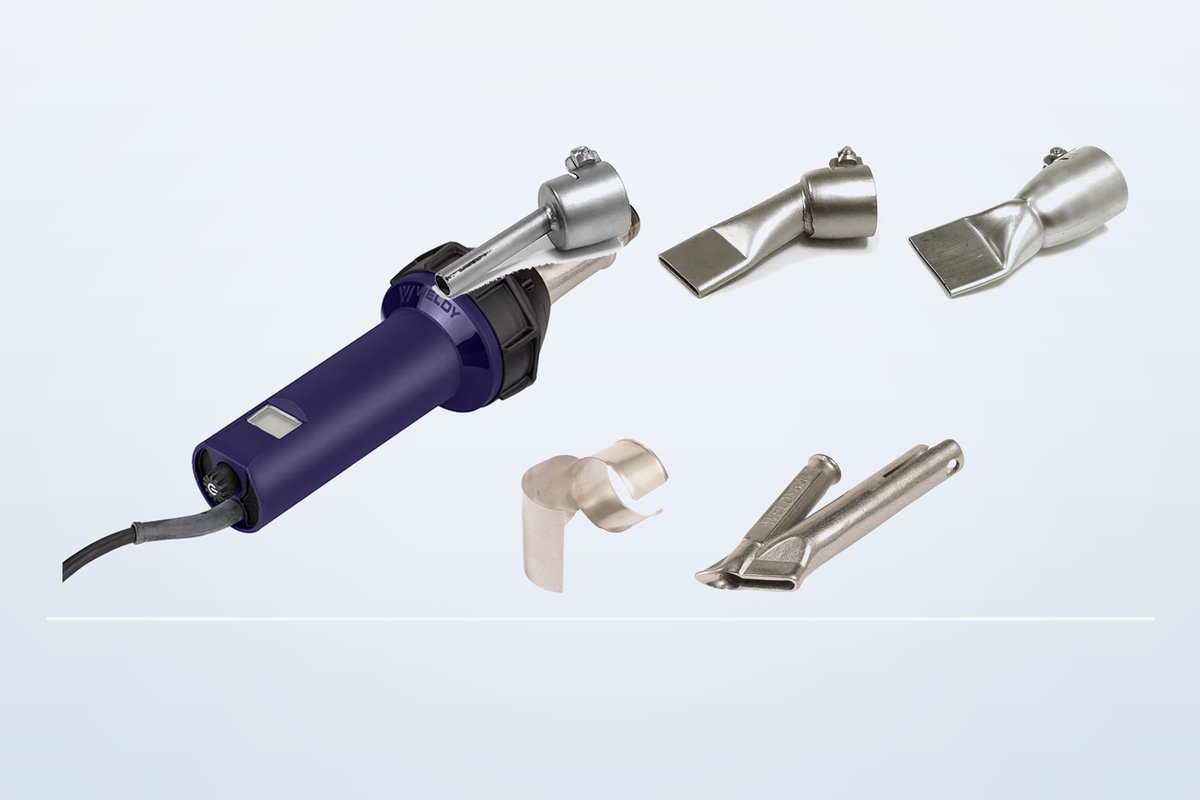
Modern cordless heat guns incorporate ergonomic handles, adjustable temperature settings, and LCD displays for precise control. Some models include multiple heat nozzles to direct airflow efficiently. These thoughtful designs enhance usability and reduce fatigue, even during extended projects.
- Adjustable Heat Settings: Tailor temperature from 100°C to 600°C for different materials.
- Interchangeable Nozzles: Focused airflow or wide coverage for various tasks.
- Lightweight & Balanced: Minimizes strain during prolonged use.
Maintenance Tips for Longevity
Proper care ensures the heat gun performs reliably for years. Always allow the tool to cool before storing, clean the nozzles after use, and charge batteries according to manufacturer guidelines. Avoid overloading the device at high temperatures for prolonged periods to protect internal electronics.
Conclusion
The revolutionary cordless lithium heat gun combines freedom, portability, and professional-grade performance in one compact design. Its lightweight construction, intelligent temperature control, and versatile applications make it a must-have tool for DIY enthusiasts, craftsmen, and professionals. By eliminating cords and enhancing usability, this heat gun represents the future of convenient and safe heating tools.





Leave a comment
This site is protected by hCaptcha and the hCaptcha Privacy Policy and Terms of Service apply.