
Why Method Selection Matters in Geomembrane Welding
In geosynthetic membrane installation, weld quality directly determines project longevity. Whether you are lining a landfill, building a water reservoir, or constructing a mining containment pond, choosing between hot wedge and hot air welding can make the difference between a 20-year seal and costly premature failures. At Weissenberg, we help contractors across China and beyond select the right equipment for every job.

Hot Wedge Welding: Speed & Consistency
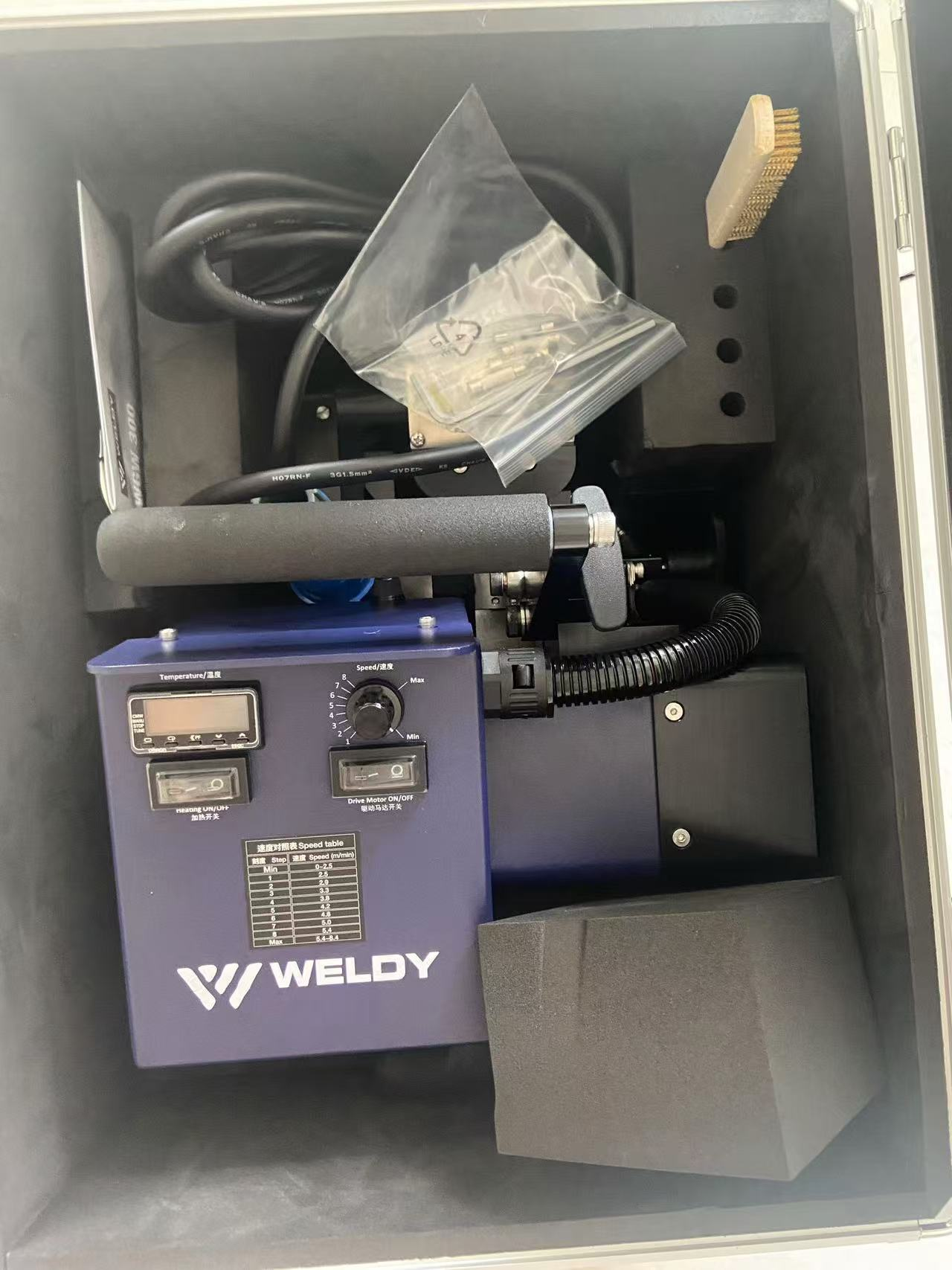
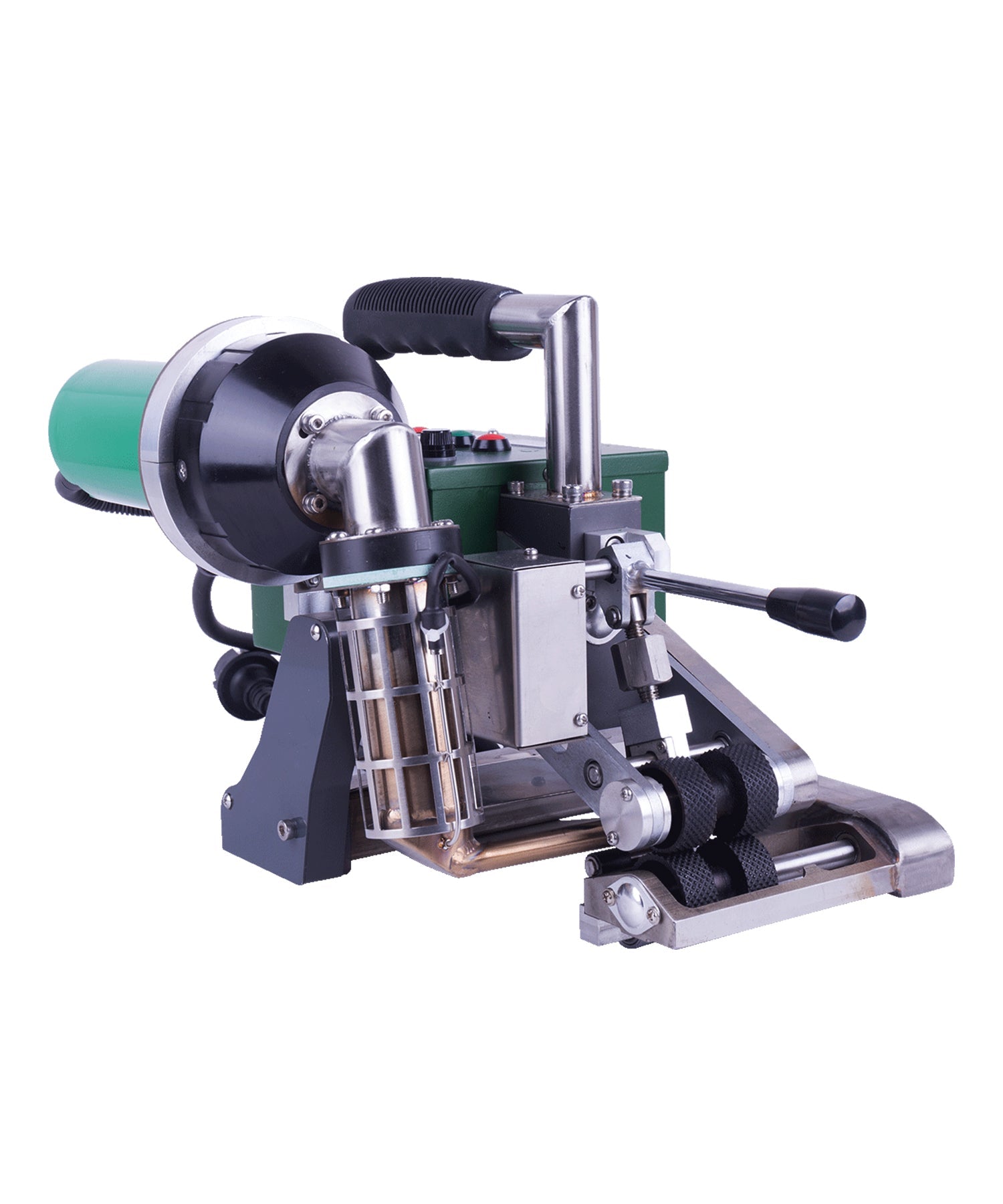
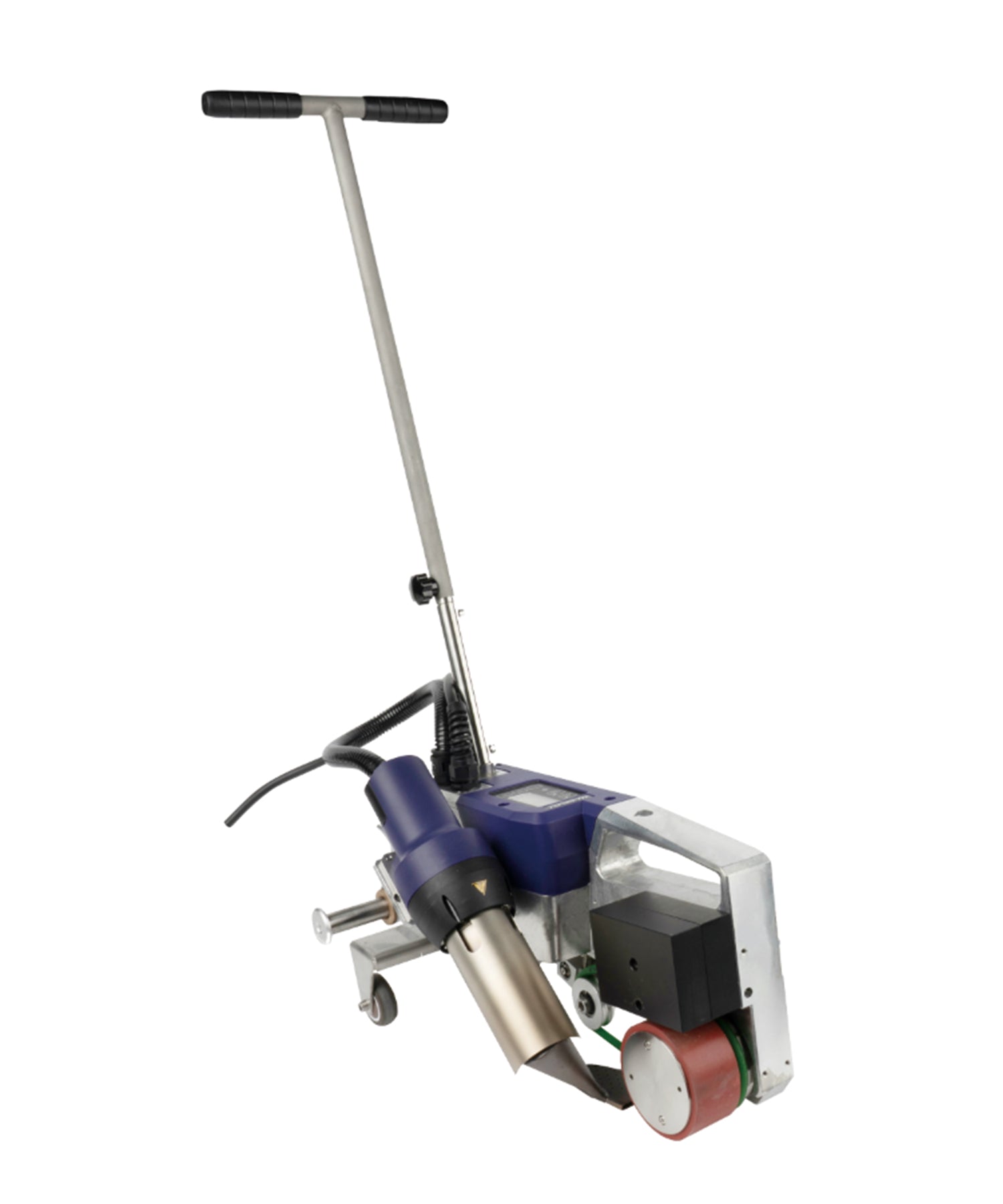
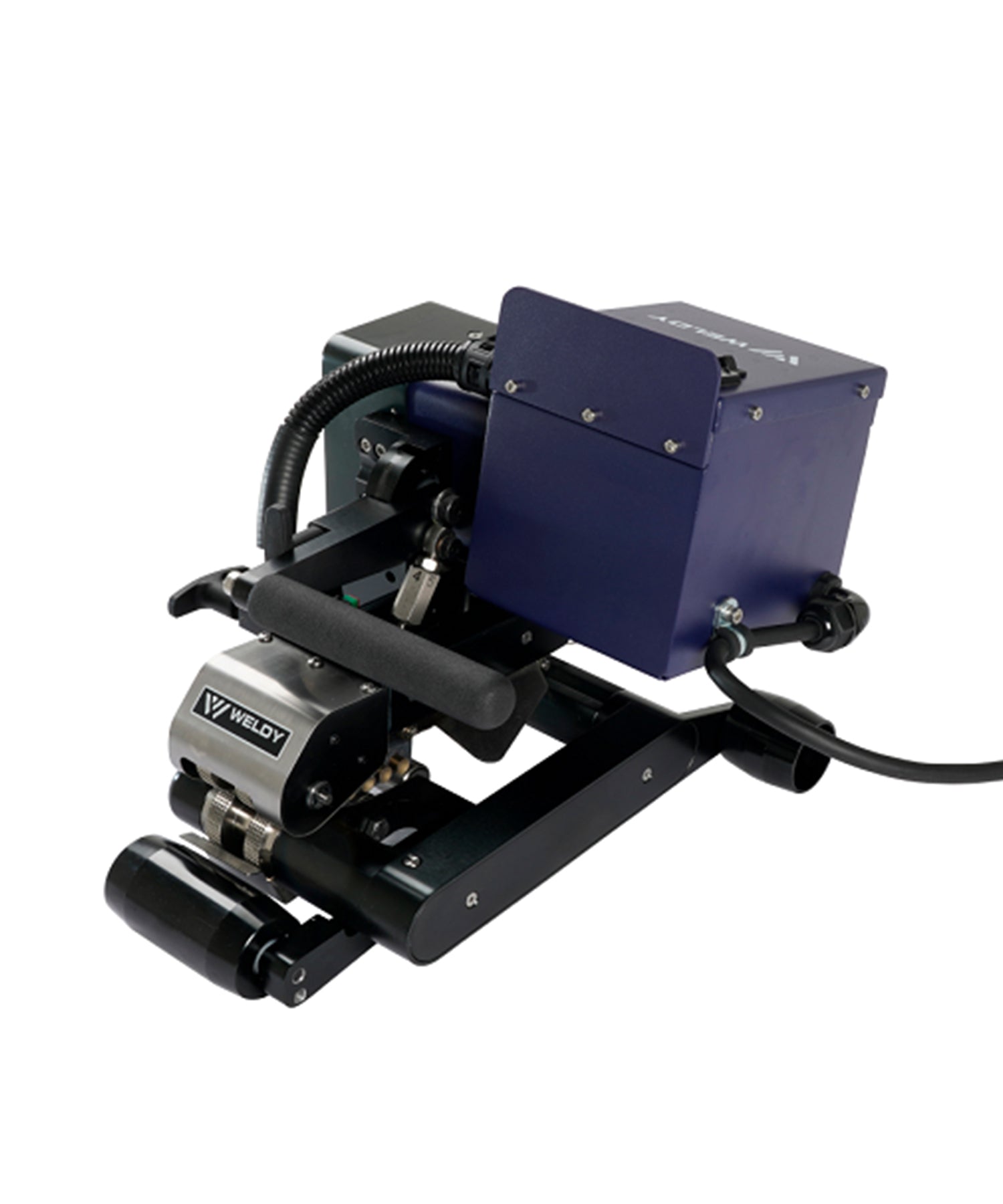
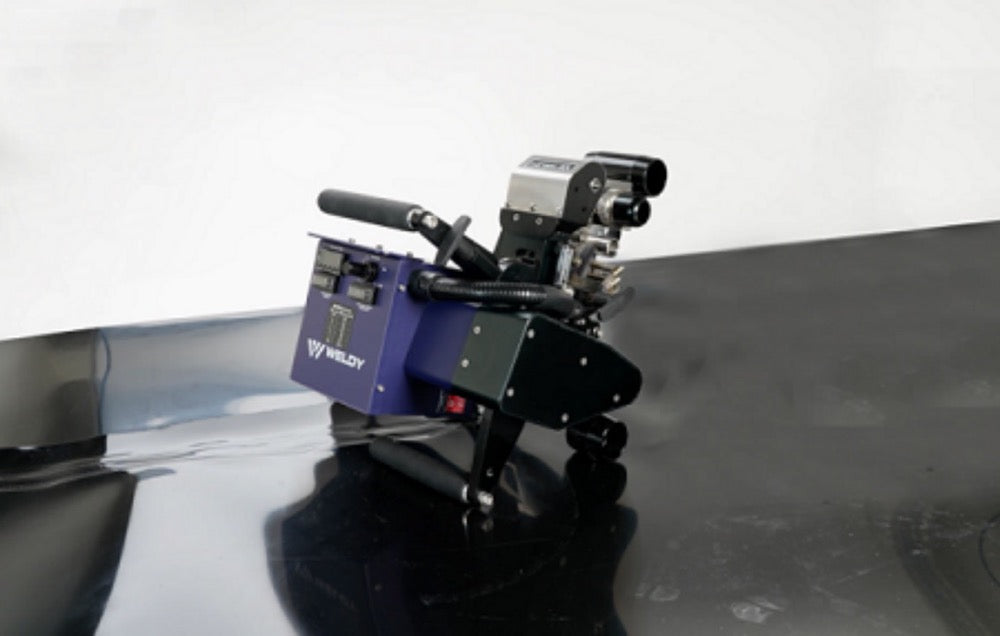
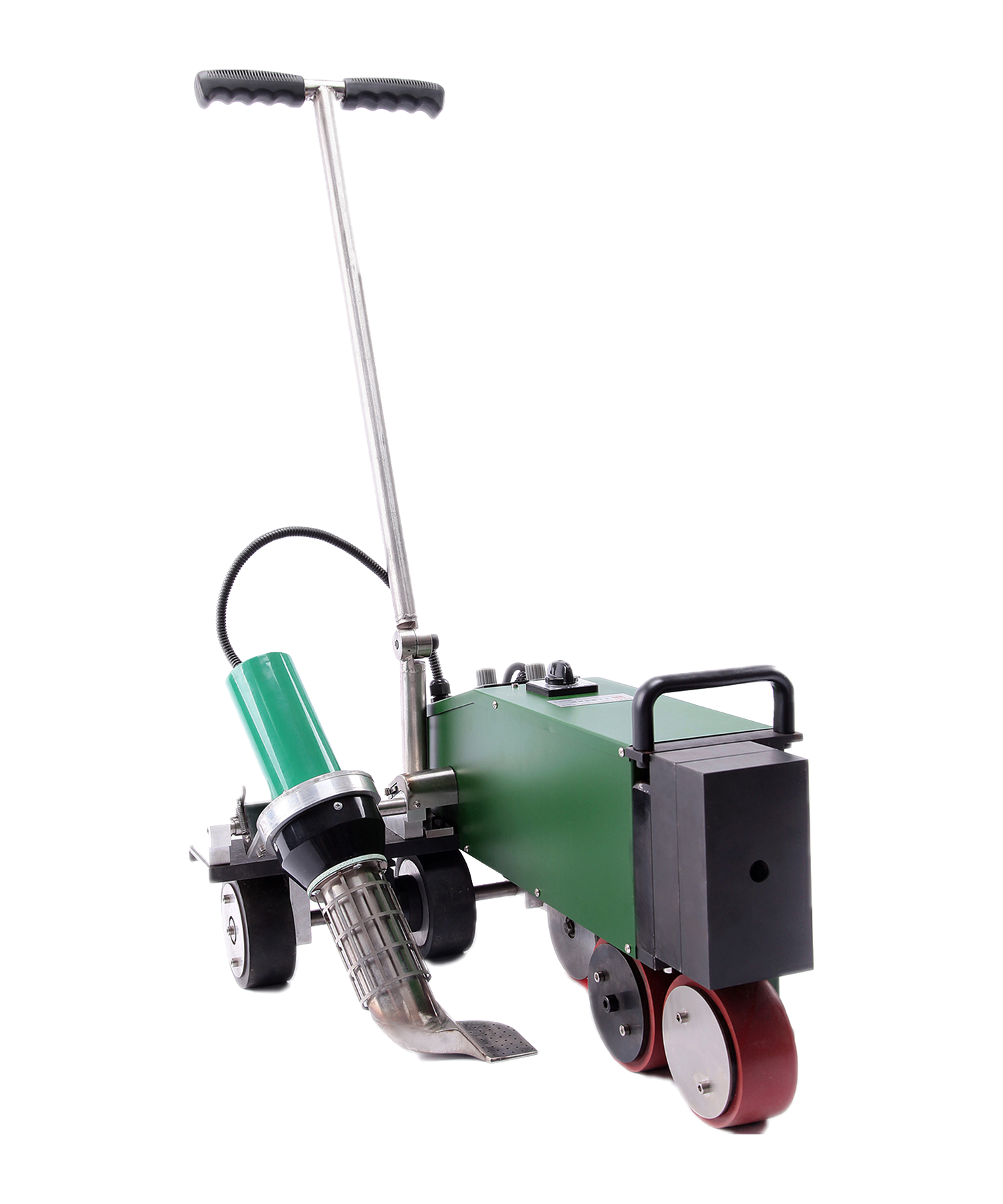
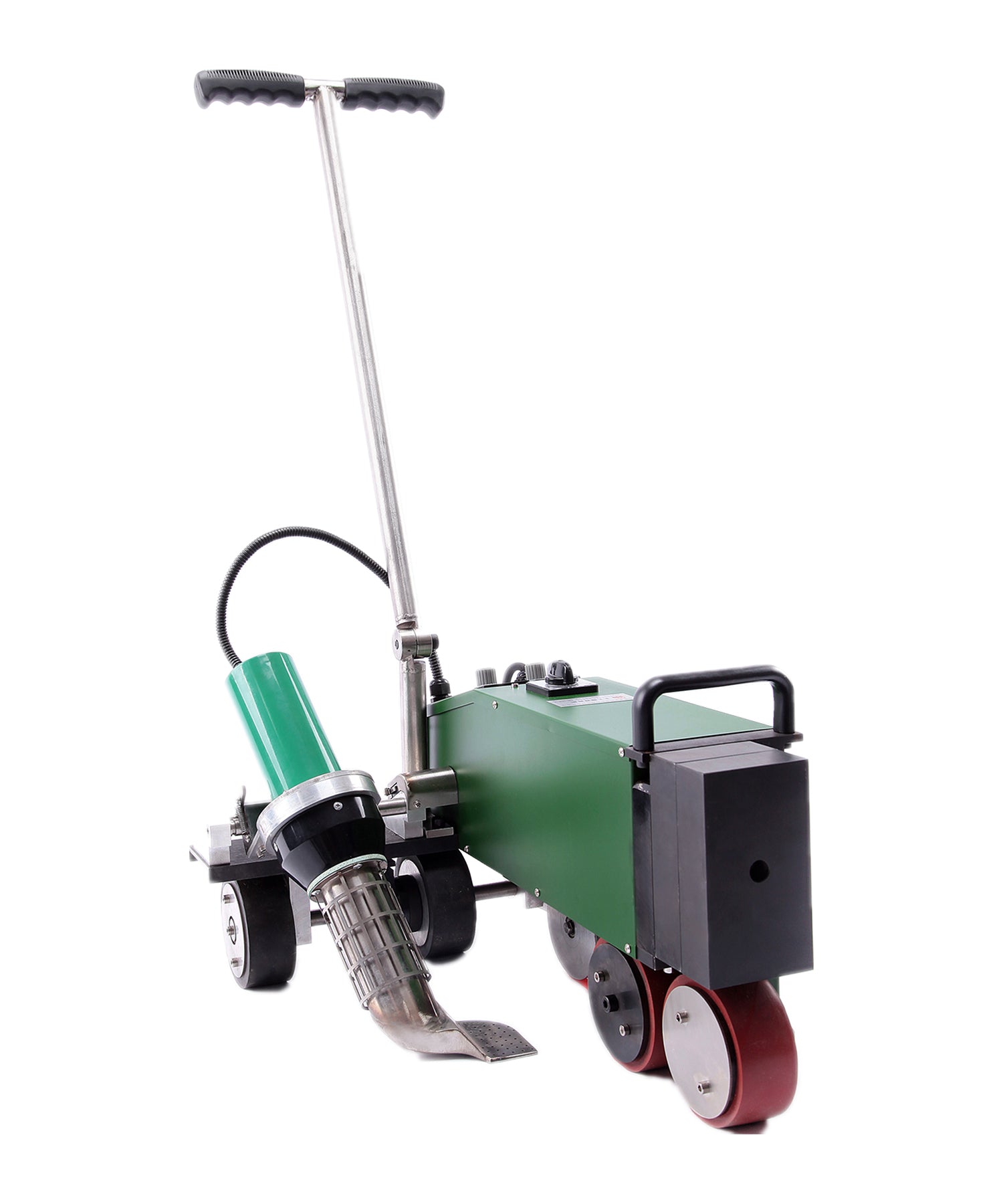
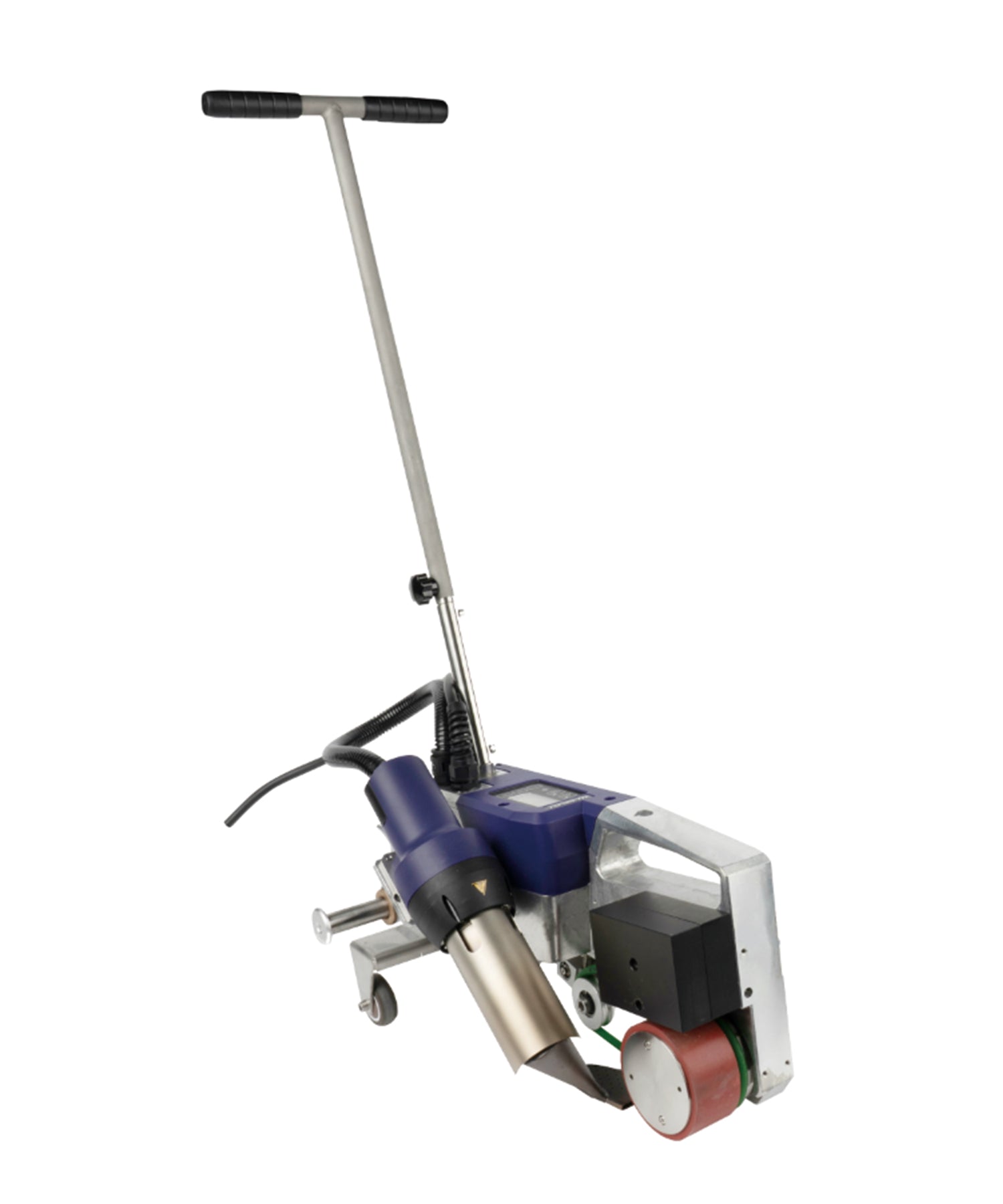
Hot wedge welding uses a heated metal wedge that travels between two overlapping membrane sheets, melting the surfaces and pressing them together. This method is ideal for long, straight seams on HDPE or LLDPE geomembranes - common in landfills and pond liners. Our WGW-300 Geomembrane Welding Machine delivers precise temperature control from 200�C to 420�C and a consistent welding speed of up to 5 m/min, ensuring uniform seam strength across hundreds of meters of material. The dual-track wedge option also provides an automatic air channel for pressure testing, a critical quality assurance feature.

Hot Air Welding: Flexibility for Complex Seams
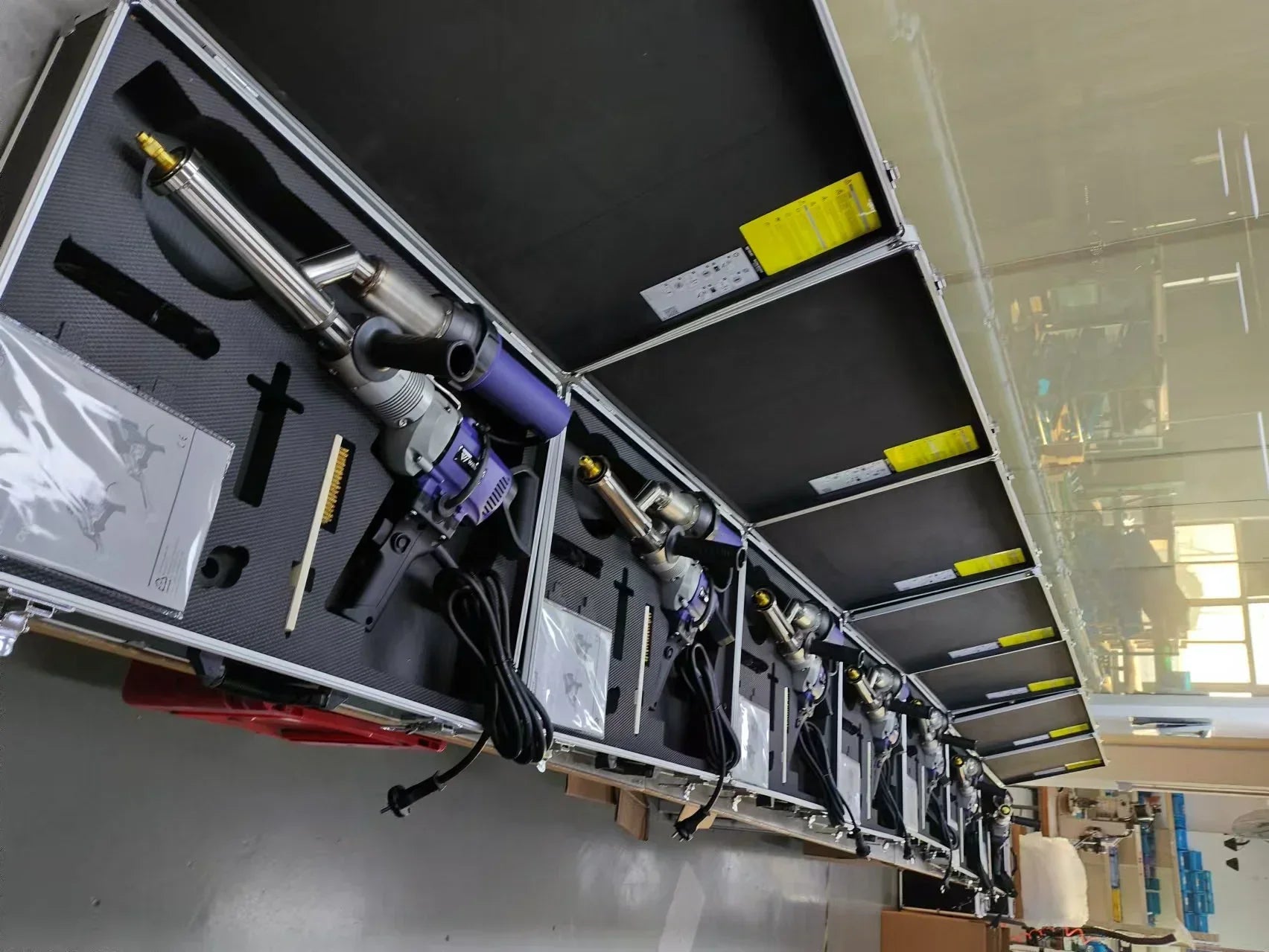
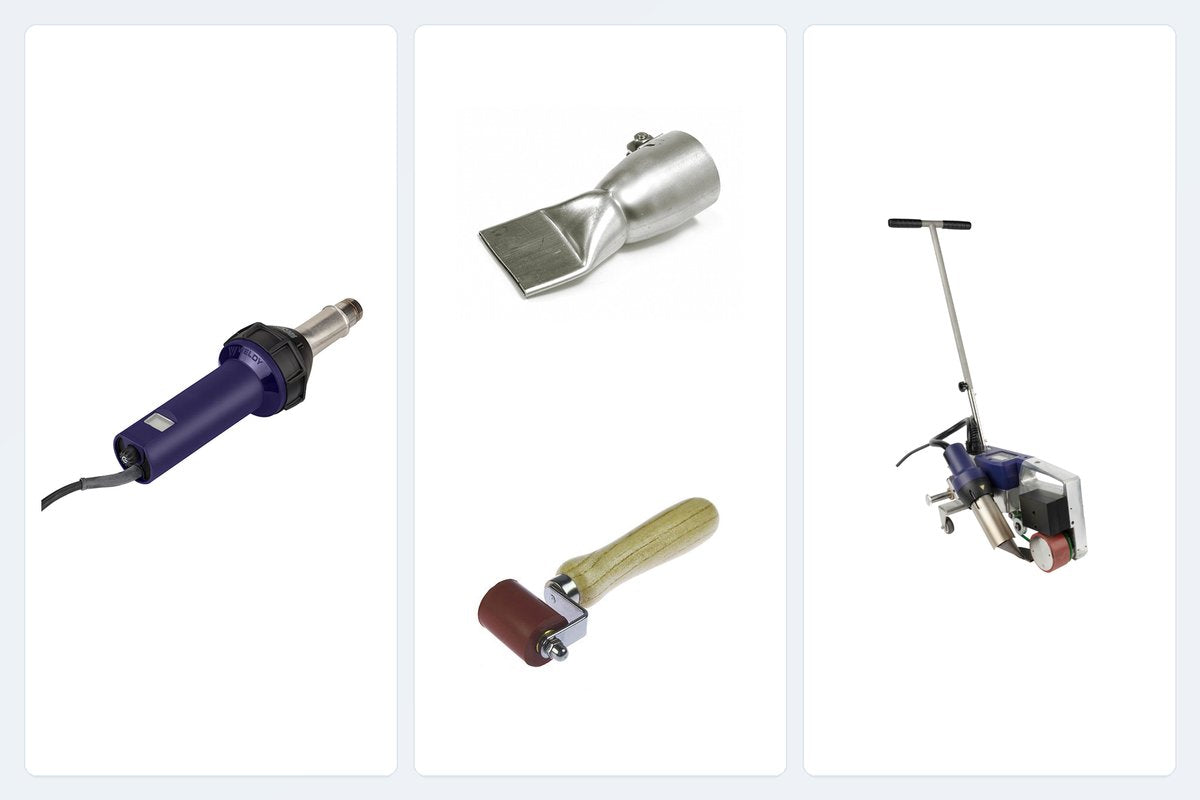
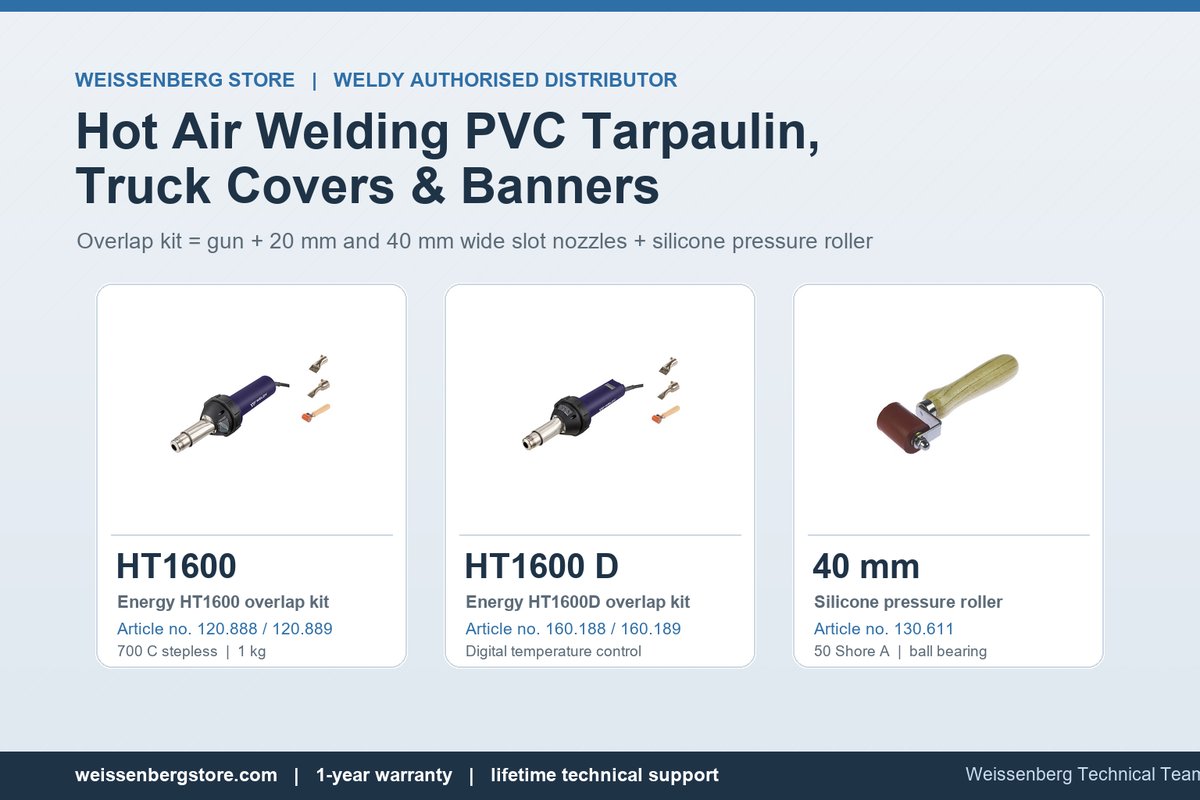
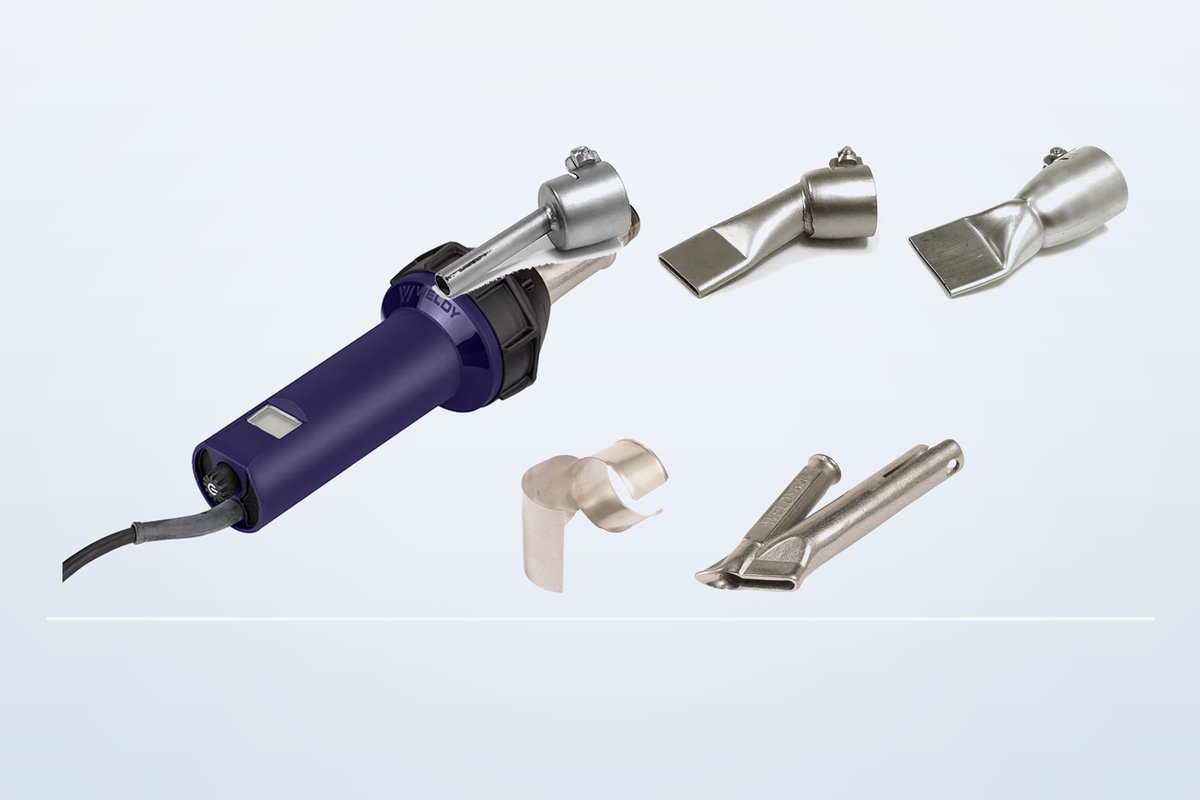
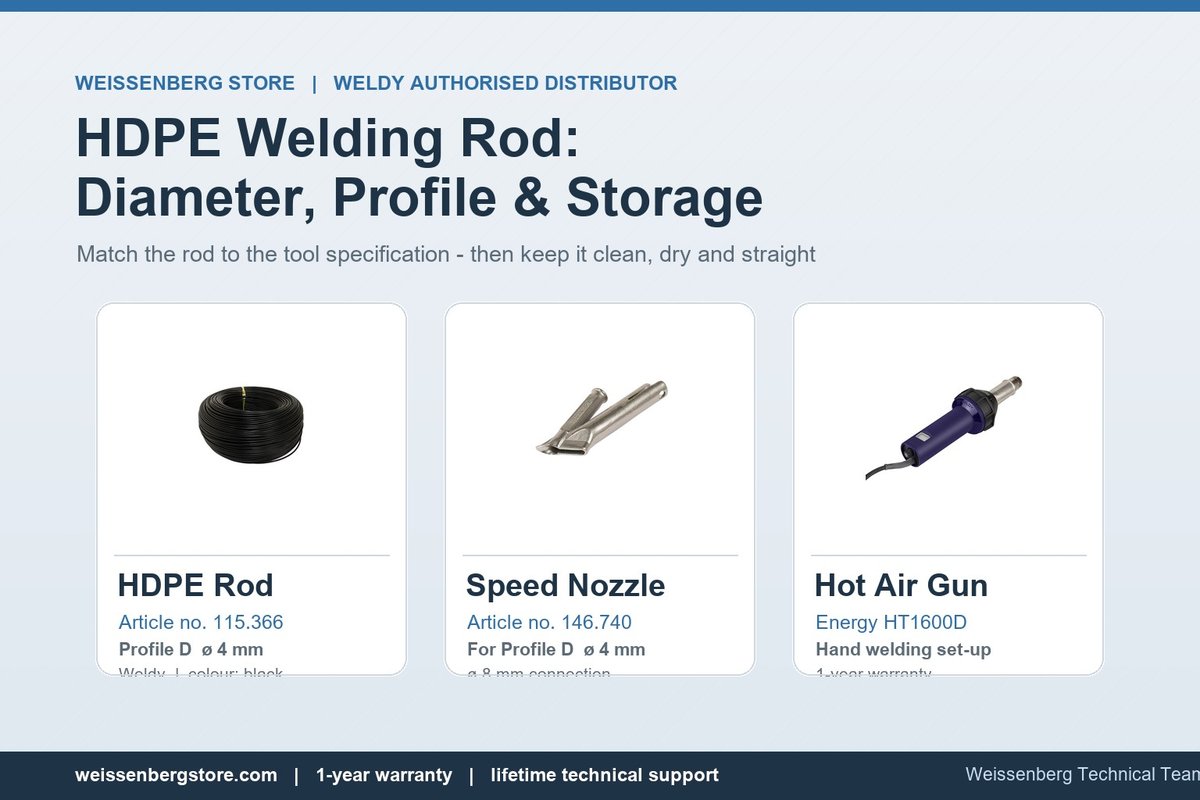
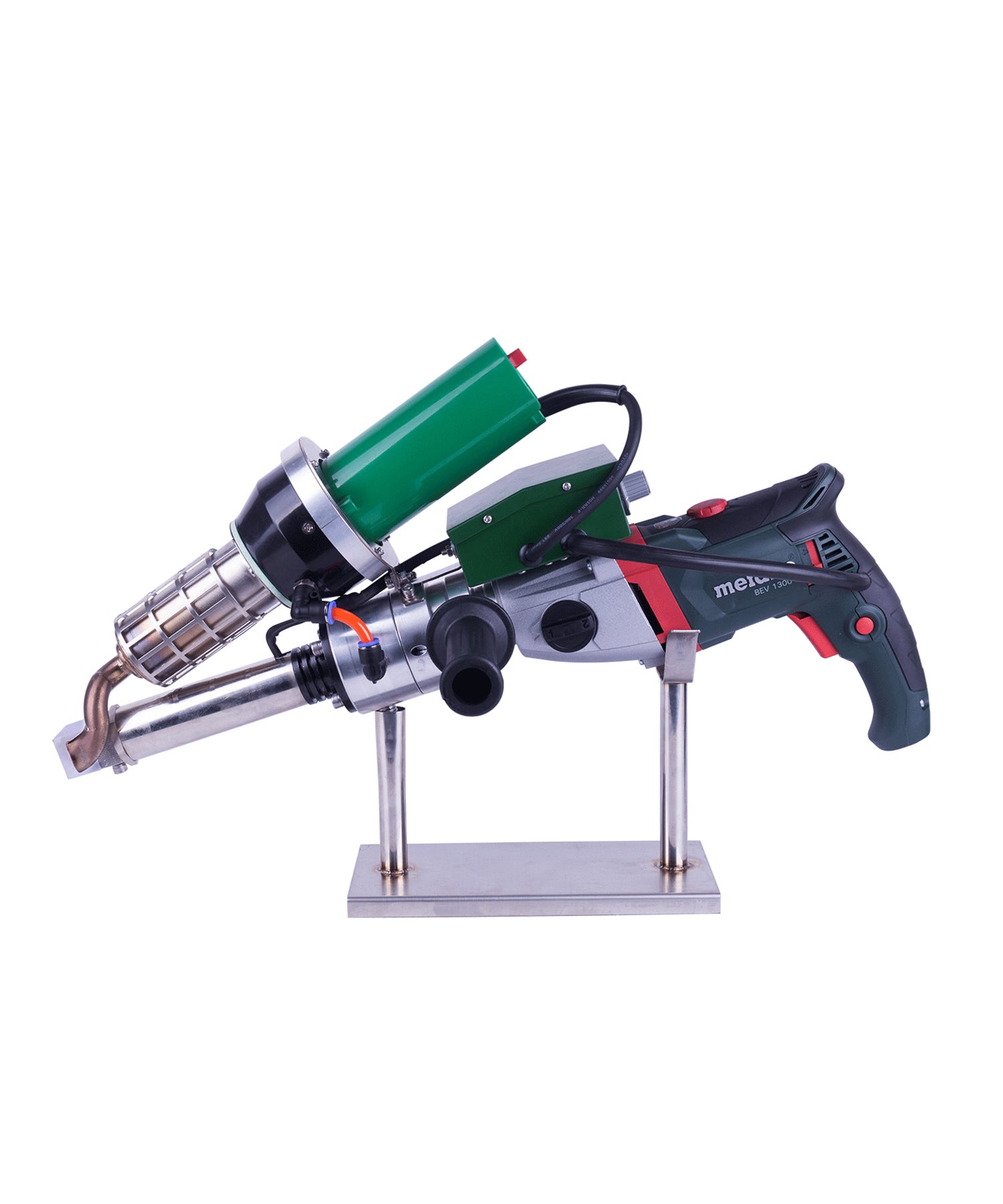
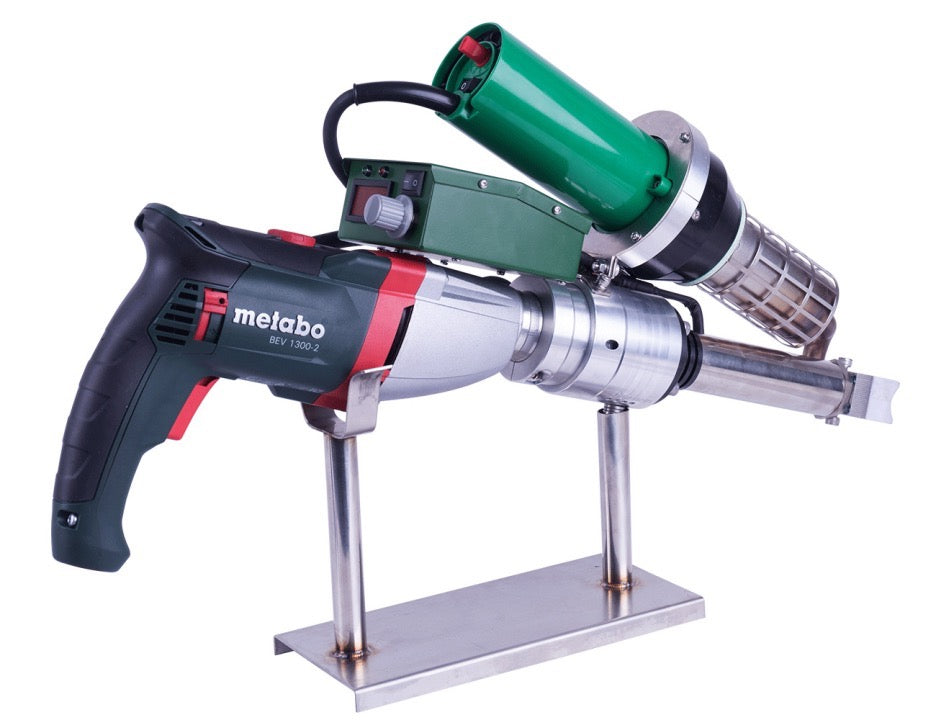
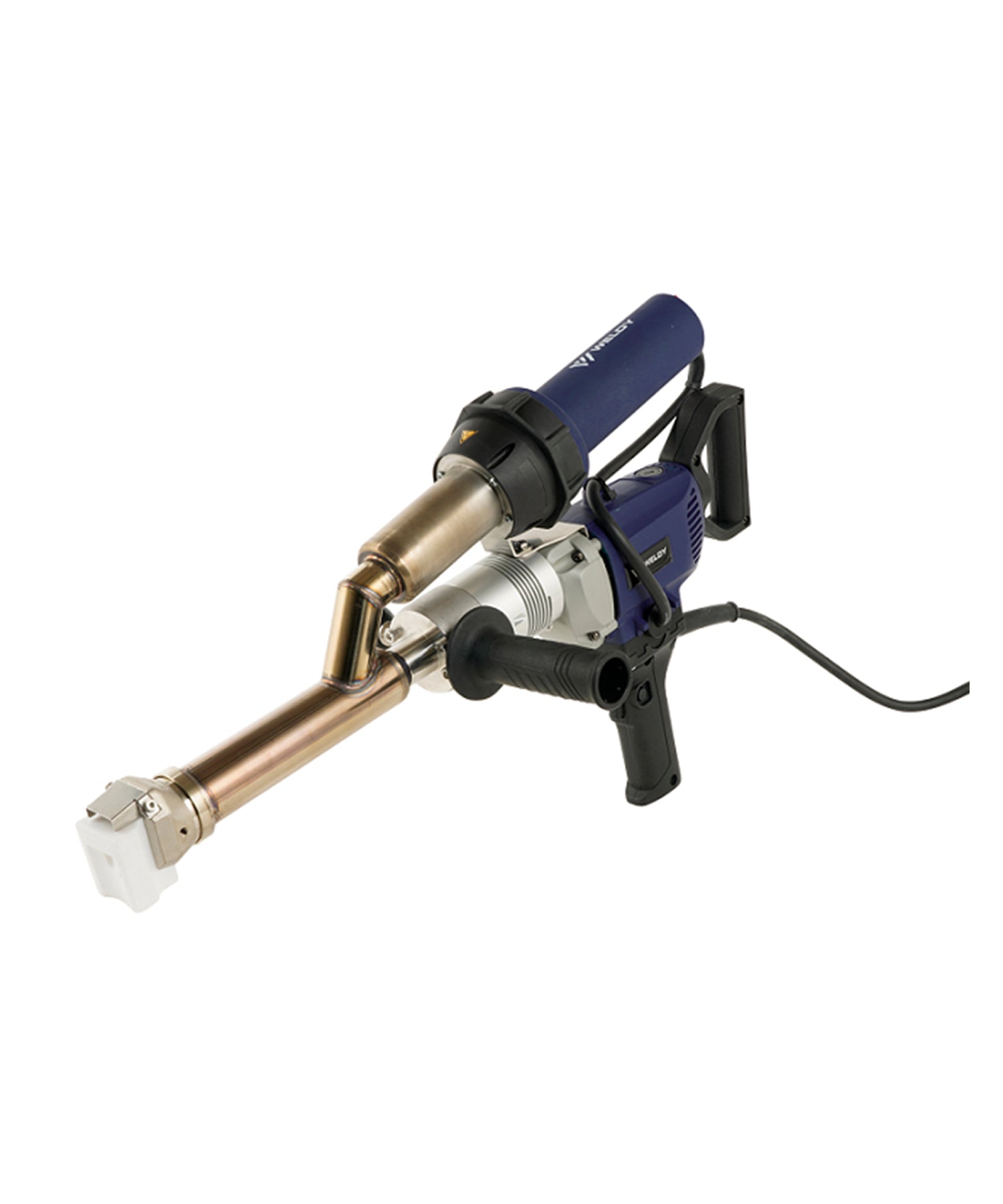
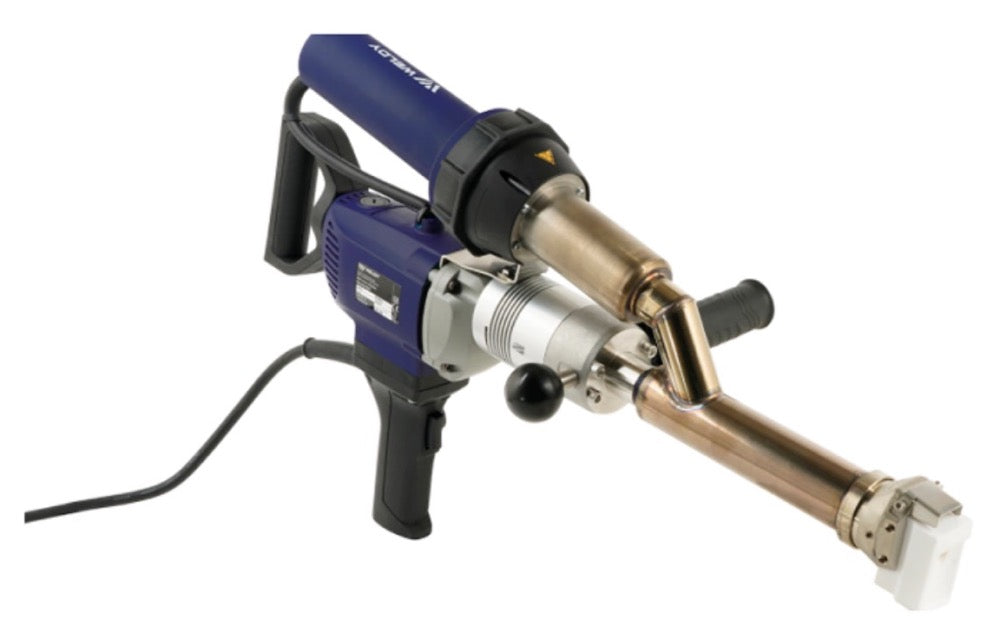
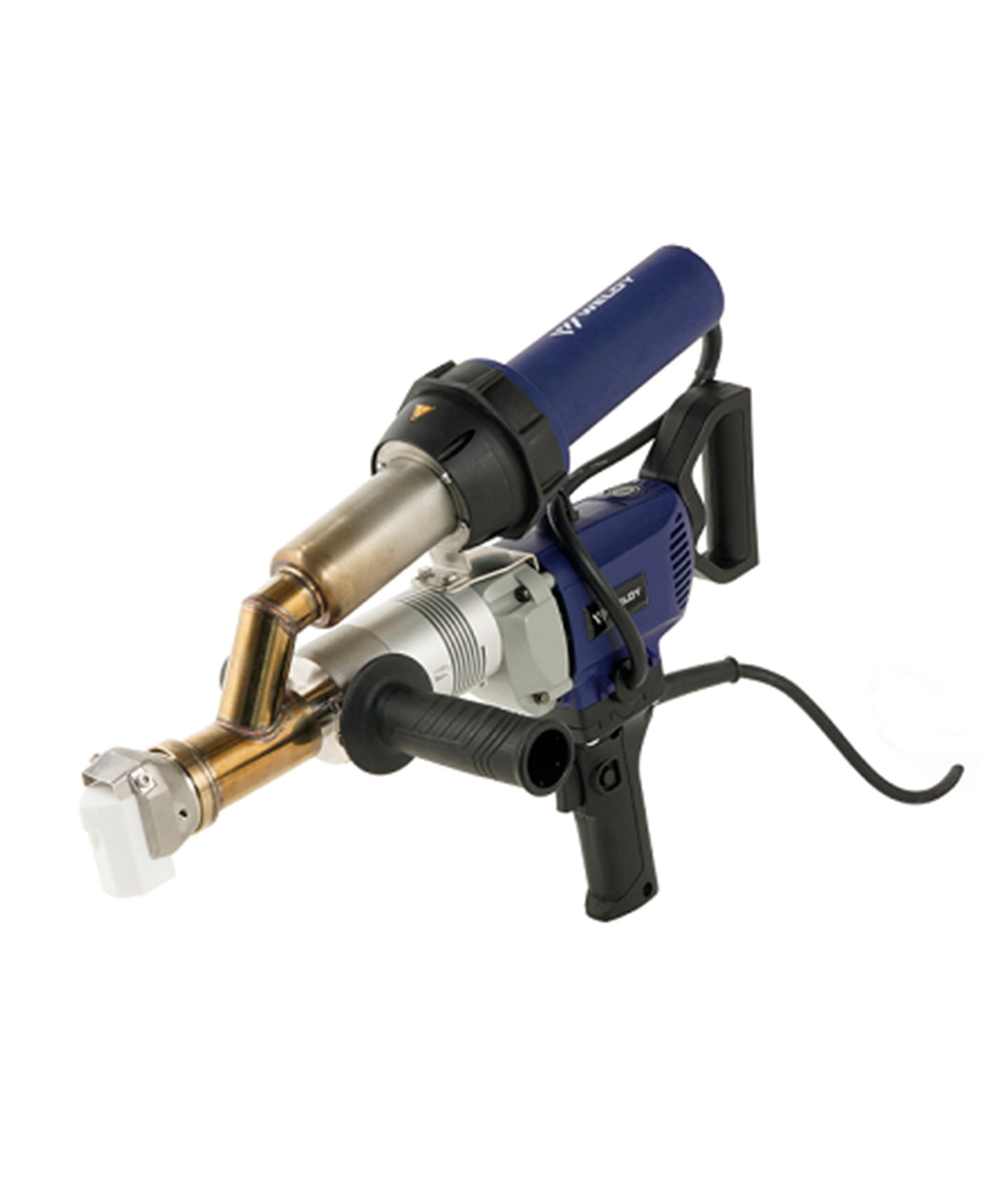
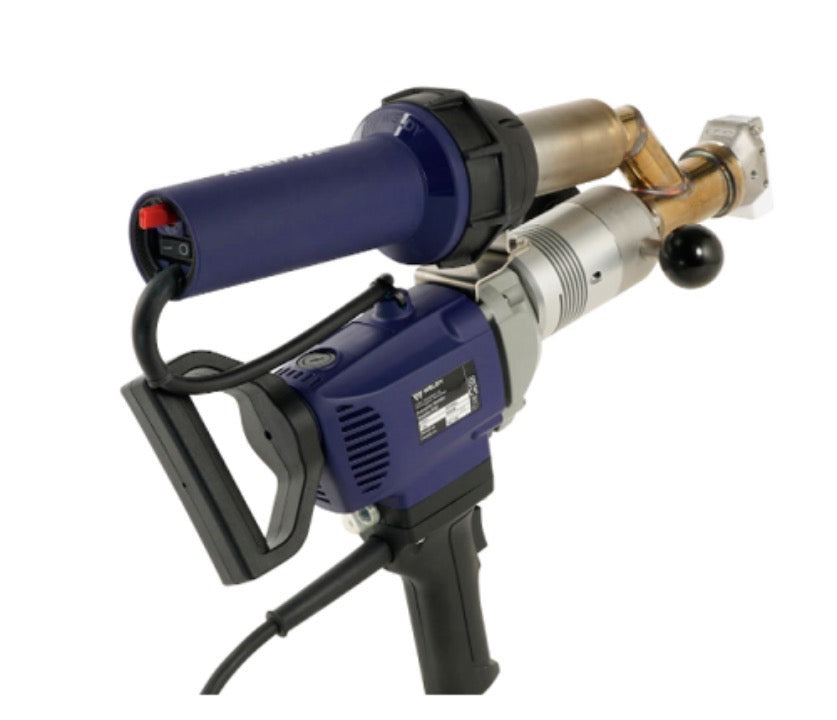
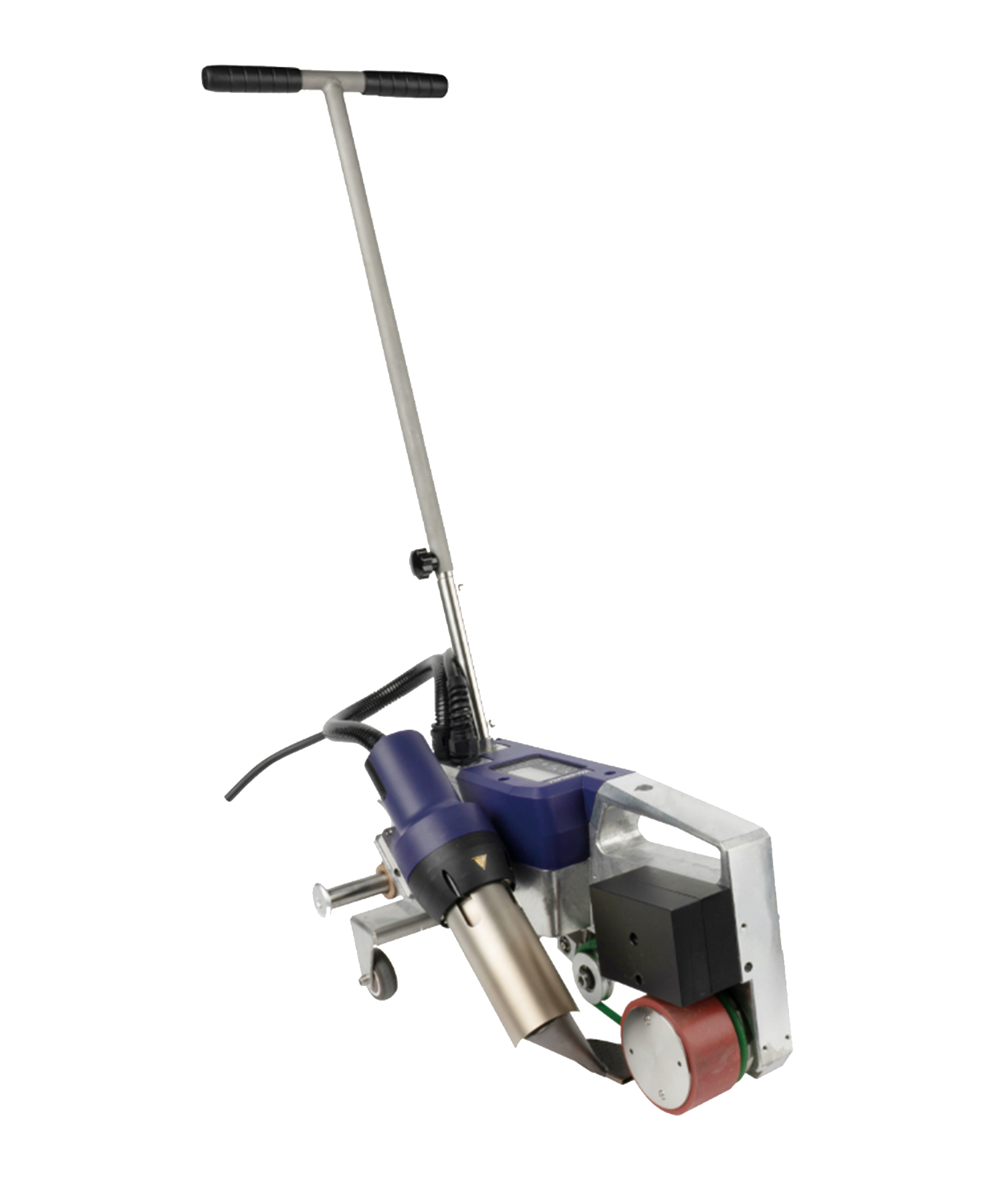
Hot air welding directs a stream of heated air between the membrane surfaces before applying pressure. This technique excels in detail work - corner patches, T-joints, pipe penetrations, and repairs where a wedge cannot reach. Hot air guns like the Weldy Energy series available through Weissenberg offer stepless temperature control and interchangeable nozzles, making them indispensable for finishing work on any geosynthetic project. While slower than hot wedge welding for straight runs, hot air provides the versatility needed for complex geometries.

Key Selection Criteria for Professionals
Consider three factors when choosing your method: seam type (long straight seams favor hot wedge; detail work favors hot air), membrane material (hot wedge suits HDPE/LDPE; hot air works on PVC, TPO, and HDPE), and site conditions (hot wedge performs better in windy or dusty environments). Many professional crews carry both - a wedge welder for main seams and a hot air gun for detail work - to maximize both speed and quality on every job.

Weissenberg: Your Partner in Geosynthetic Welding
With over a decade of experience and a strategic partnership with the Leister sub-brand Weldy, Weissenberg offers a complete range of plastic welding solutions backed by lifetime technical support. Whether you need a dedicated geomembrane wedge welder or a versatile hot air system, our team can help you configure the right setup for your project specifications.
- The Weissenberg Team
Cover image: U.S. Department of Energy / Wikimedia Commons (Public Domain)




Leave a comment
This site is protected by hCaptcha and the hCaptcha Privacy Policy and Terms of Service apply.