
Key Takeaway
External weld bead removal is a critical step in HDPE pipe butt fusion that directly affects slip-lining success, weld inspection compliance, and long-term pipeline integrity. The Weissenberg CONDOR series removes external weld beads from pipes 110 mm to 800 mm in diameter — whether the weld is warm or cold — leaving a smooth, flush surface ready for inspection or installation.
What Is an External Debeader?
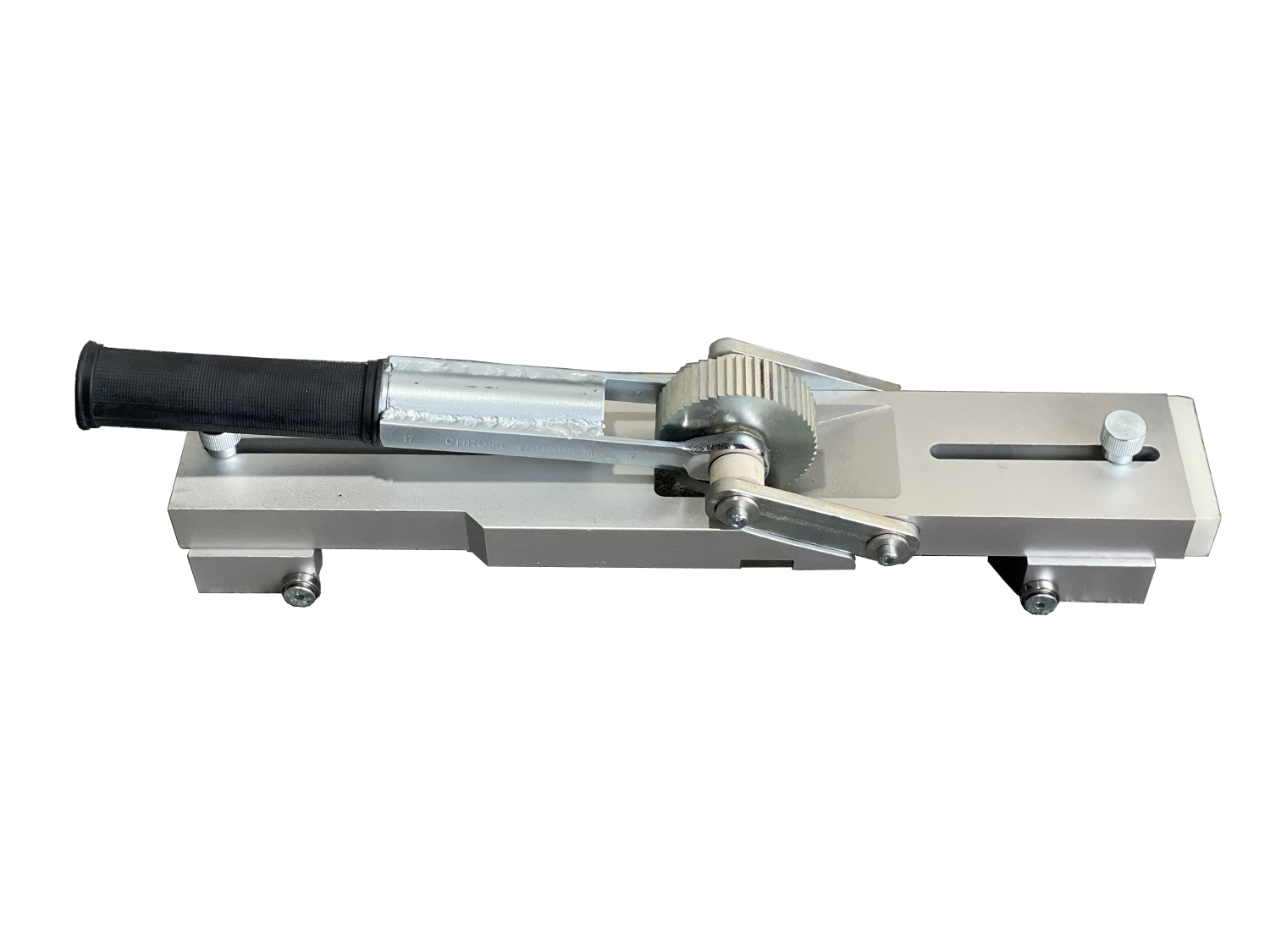
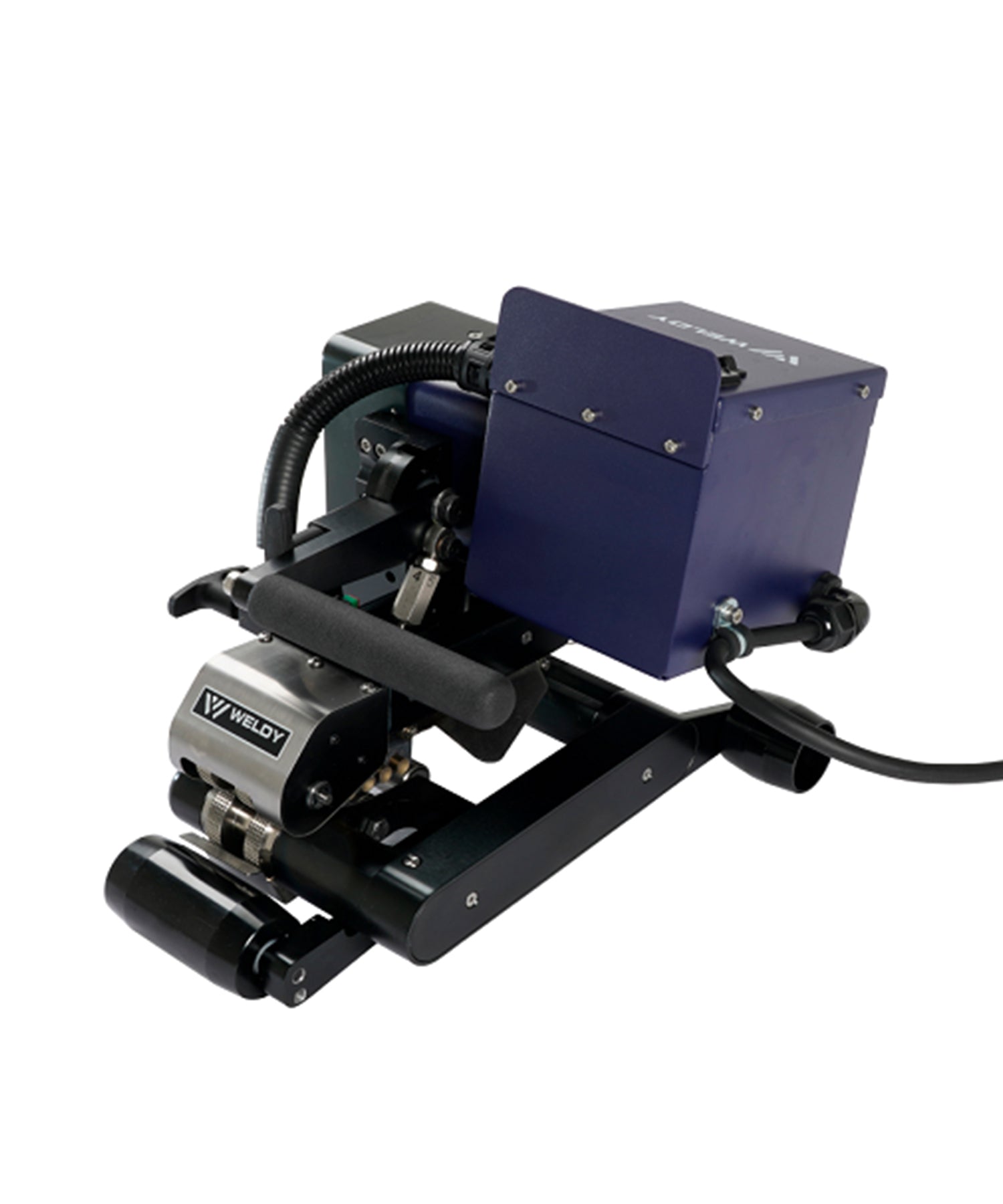
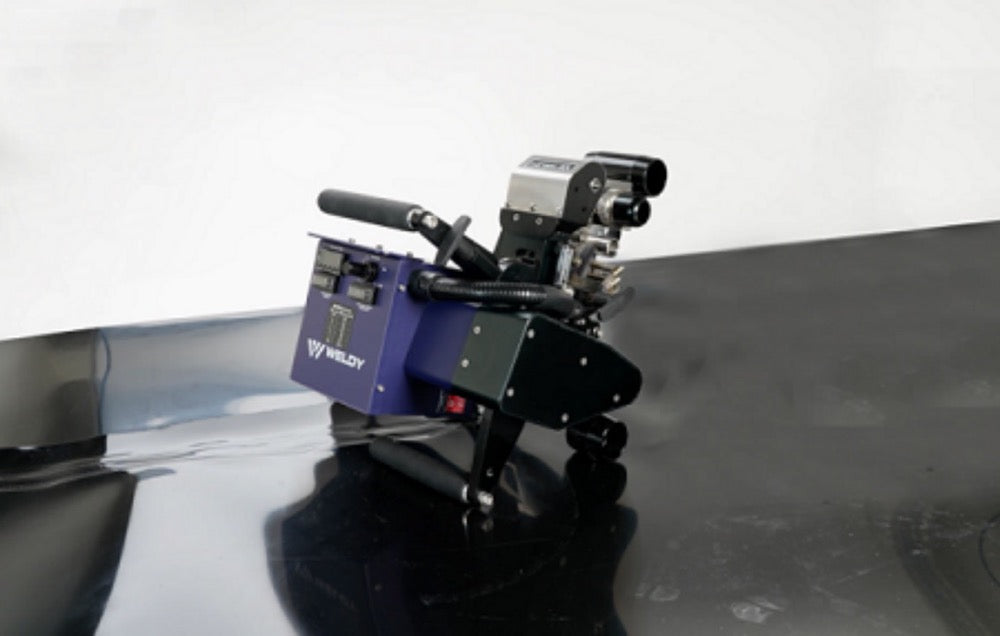
An external debeader is a precision-engineered hand tool designed to remove the raised weld bead formed on the outside surface of a pipe during butt fusion welding. When HDPE or PE pipe ends are fused together under heat and pressure, a ring of extruded material — the weld bead — forms around the joint circumference. While the bead confirms that fusion occurred, it also creates problems: it interferes with slip-lining into larger-diameter host pipes, obstructs visual weld inspection, and can snag during pipe insertion in trenchless rehabilitation projects.
The Weissenberg CONDOR series solves this by engaging the bead with a hardened steel cutting blade while guide rollers maintain alignment on the pipe surface. The operator rotates the tool around the pipe circumference, and the blade shears the bead cleanly — on warm welds immediately after fusion or on fully cooled welds days or years later.
Weissenberg CONDOR Series: Two Models for Complete Coverage
The CONDOR series consists of two models covering the full standard range of HDPE pipe diameters:
- CONDOR 400 — Working Range: 110–400 mm, Dimensions: 365 × 102 × 105 mm, Weight: 3.0 kg, SKU: 80202211. Ideal for gas/water distribution, industrial piping, and residential plumbing.
- CONDOR 800 — Working Range: 450–800 mm, Dimensions: 410 × 123 × 140 mm, Weight: 5.5 kg, SKU: 80202212. Designed for large-diameter transmission mains and sewer rehabilitation.
Technical Specifications Comparison
| Parameter | CONDOR 400 | CONDOR 800 |
|---|---|---|
| Working Range | 110–400 mm | 450–800 mm |
| Dimensions | 365 × 102 × 105 mm | 410 × 123 × 140 mm |
| Net Weight | 3.0 kg | 5.5 kg |
| Compatible Materials | HDPE, PE, PP, MDPE | HDPE, PE, PP, MDPE |
| Cutting Capability | Warm or cold bead | Warm or cold bead |
How the CONDOR External Debeader Works
The CONDOR removes external weld beads in four straightforward steps:
- Clamp onto the pipe: Adjust the tool frame to the pipe diameter and engage it over the weld bead. The guide rollers seat firmly against the pipe surface.
- Position the cutting blade: The hardened steel blade is set at the base of the weld bead where it meets the pipe surface. The blade angle is engineered for a clean shear cut.
- Rotate around the circumference: Walk the tool steadily around the pipe, maintaining consistent pressure. The guide rollers keep the blade tracking the bead profile.
- Remove the bead: The bead is sheared away as a continuous strip, leaving a smooth, flush surface ready for slip-lining or inspection.
Works Warm or Cold: The CONDOR cuts beads whether the weld is still warm (immediately after fusion) or fully cooled. Cutting while warm requires less force, but cold cutting produces equally clean results.
Real-World Applications
Trenchless Slip-Lining & Pipe Rehabilitation
In slip-lining projects, a new HDPE pipe is inserted into an existing deteriorated host pipe. Any external protrusion — including weld beads — increases insertion drag and risks snagging the pipe during installation. The CONDOR removes beads flush to the surface, ensuring smooth insertion and reducing installation time.
Gas & Water Distribution Networks
HDPE pipes are the standard for natural gas distribution and municipal water supply. External beads can trap soil contaminants, interfere with pipe embedment, and prevent proper installation of electrofusion couplers. Debeading ensures a clean surface for subsequent connections and bedding.
Weld Inspection & QA/QC
Removing the external bead is a prerequisite for proper weld inspection under standards such as DVS 2207-1 and ASTM F2620. With the bead removed, inspectors can visually examine the weld zone for discontinuities, incomplete fusion, or contamination — without the bead masking defects.
Industrial & Chemical Piping
In chemical processing plants, HDPE and PP piping systems carry aggressive fluids. Weld beads can trap chemical residues and create stress concentration points. A smooth external surface facilitates cleaning, reduces contamination risk, and supports long-term system integrity.
Why Choose the Weissenberg CONDOR?
- Precision Cutting: Hardened steel blade removes beads cleanly without gouging the parent pipe material
- Full Diameter Coverage: Two models cover 110 mm to 800 mm pipe diameters
- Lightweight Design: At 3.0 kg and 5.5 kg, both models are field-friendly for extended use
- Warm or Cold Operation: Cut immediately after fusion or after the pipe has been in service
- Rugged Construction: Built for jobsite conditions — dust, mud, and temperature extremes
- Replaceable Blade: Long service life with simple blade replacement when needed
How to Choose Between CONDOR 400 and CONDOR 800
| Pipe Diameter | Recommended Model | Typical Application |
|---|---|---|
| 110–400 mm (4"–16") | CONDOR 400 | Gas distribution, water supply, industrial piping |
| 450–800 mm (18"–32") | CONDOR 800 | Transmission mains, sewer rehabilitation |
| Both ranges | Both models | Full coverage for multi-project contractors |
Best Practices for External Bead Removal
| Step | Action | Why It Matters |
|---|---|---|
| 1. Set the Tool | Adjust the frame to the pipe diameter; seat guide rollers firmly | Proper alignment ensures uniform bead removal |
| 2. Position the Blade | Place the cutting blade at the base of the weld bead | Prevents gouging the parent pipe material |
| 3. Begin Rotation | Walk the tool around with steady, moderate pressure | Consistent pressure produces a uniform cut |
| 4. Complete the Circuit | Continue until returning to the starting point | Bead should detach as a continuous strip |
| 5. Inspect the Surface | Run your hand over the joint; the surface should be smooth | Confirms readiness for slip-lining or inspection |
Industry Standards & Compliance
External bead removal is referenced in several international standards governing HDPE pipe butt fusion:
- DVS 2207-1 — Heated tool butt welding of thermoplastics. External bead removal enables proper visual inspection per Annex A.
- ASTM F2620 — Standard practice for heat fusion joining of PE pipe. Includes bead removal as part of the inspection protocol.
- ISO 21307 — Butt fusion jointing procedures for PE pipes. References bead configuration and inspection.
- EN 12201-3 — Plastics piping systems for water supply. Requires smooth external surface for certain installation methods.
Frequently Asked Questions
Can the CONDOR remove beads from pipes that are already in service?
Yes. The CONDOR works on both freshly fused joints (warm) and pipes that have been in service for years (cold). For buried pipes, ensure sufficient clearance around the joint to fit and rotate the tool.
Will the blade damage the pipe surface?
No. The guide rollers maintain the blade at the correct depth, cutting at the bead base without contacting the parent pipe. Proper technique produces a flush, smooth surface.
Can I use one model for all pipe sizes?
The CONDOR 400 covers 110–400 mm and the CONDOR 800 covers 450–800 mm. The ranges do not overlap. For pipes across both ranges, you will need both models.
How long does bead removal take?
Typically 1–3 minutes per joint depending on pipe diameter and operator experience — significantly faster than grinding or hand scraping.
What materials are compatible?
The CONDOR is designed for HDPE and PE pipes, and is also effective on PP (polypropylene) and MDPE (medium-density polyethylene) pipes joined by butt fusion.
Conclusion
External weld bead removal is a critical step in HDPE pipe installation — one that directly impacts project success, inspection compliance, and long-term system performance. The Weissenberg CONDOR series delivers precision-engineered, field-proven tools that make this process fast, reliable, and repeatable for pipes from 110 mm to 800 mm in diameter.
Browse the full CONDOR range at Weissenberg Store — factory-direct pricing with global shipping and lifetime technical support.




Leave a comment
This site is protected by hCaptcha and the hCaptcha Privacy Policy and Terms of Service apply.